Booking a table for eight or more
Birthdays, office dinners and family gatherings: how group bookings work at a kitchen with one hearth.
Nine-course tasting menu, Thu–Sun at 8 pm · Grill menu every night from 7 pm
612, 100 Feet Road, HAL 2nd Stage, Indiranagar, Bengaluru 560038
Tue–Sun · 7 pm – 11.30 pm · Closed Mondays
Why some of our plates come with black edges, what the cooks are looking for, and when we send a plate back.
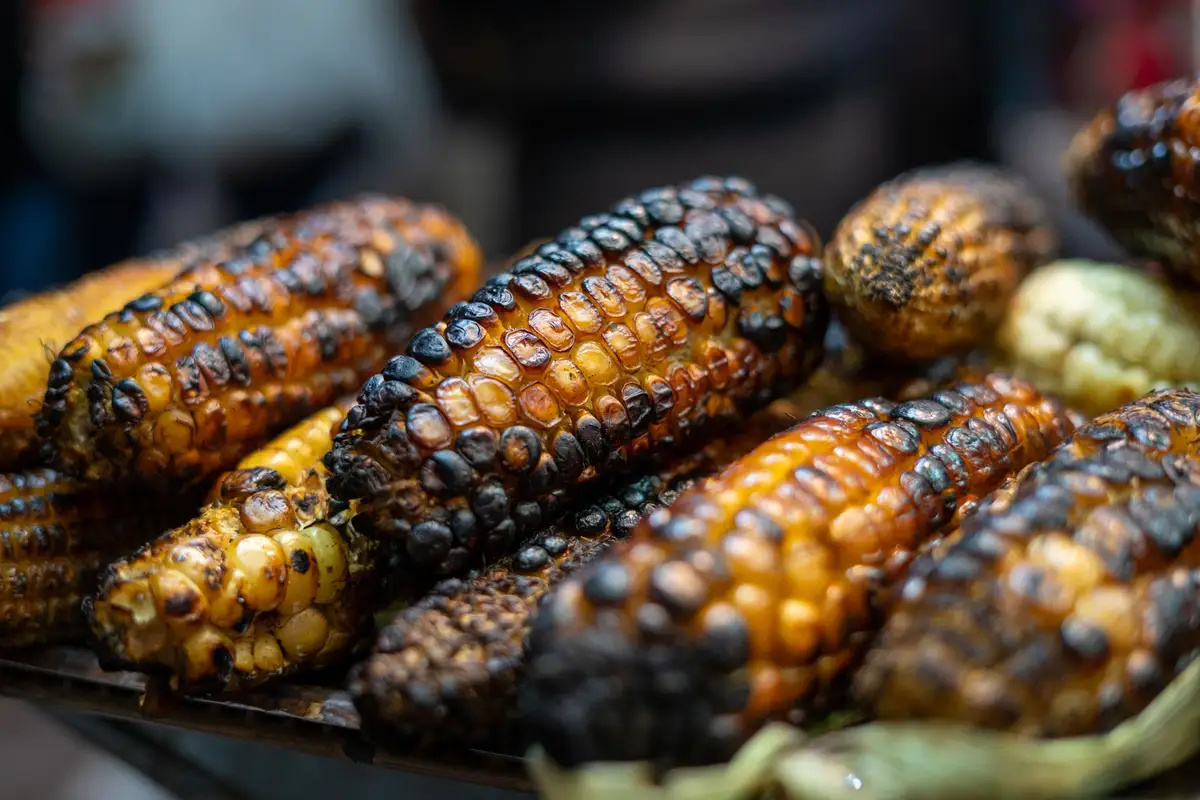
Now and then a guest sends back a plate because it looks burnt. Sometimes they are right, and we cook it again. More often, they have met char for the first time, and it helps to explain the difference.
Char is what happens when the surface of a food dries and browns quickly over a very hot flame, and the sugars and proteins at the edge turn dark and crisp. On our corn, peppers and brinjal, char adds bitterness and smoke that balance the sweetness inside. A charred edge is crisp and dry and breaks cleanly. Under it, the food is moist and cooked through.
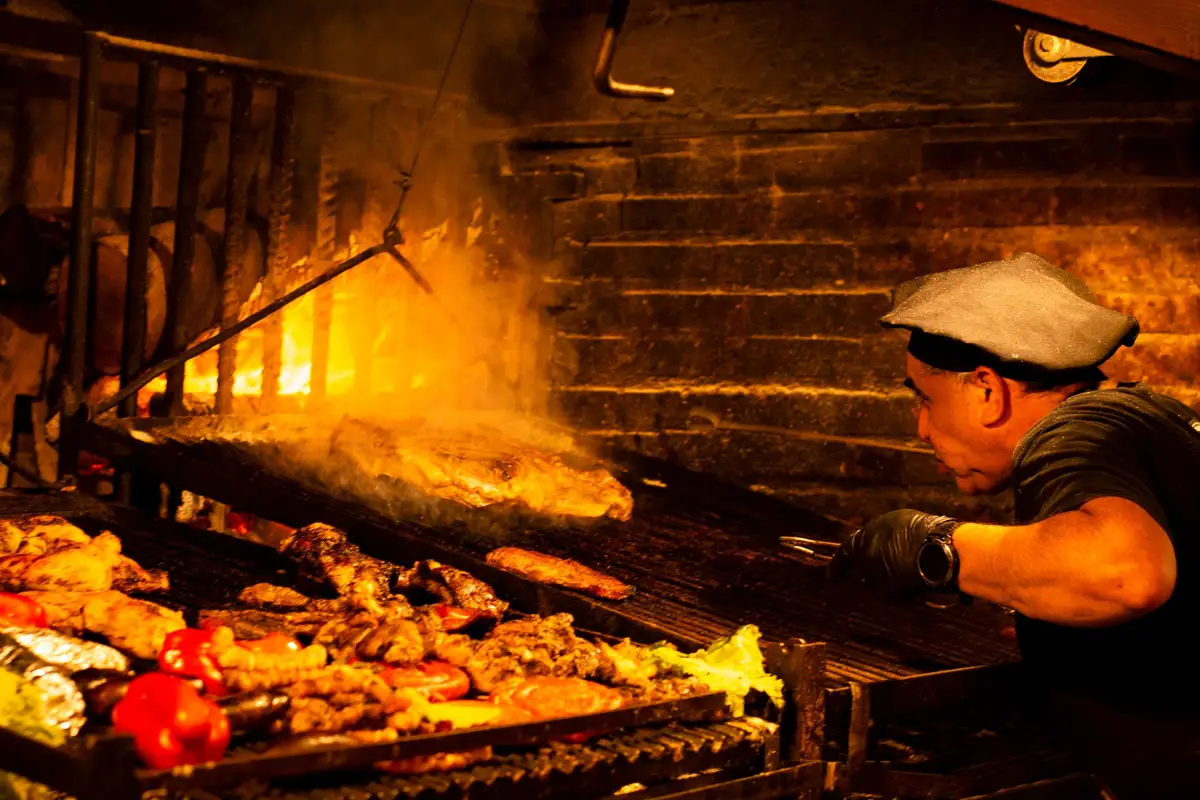
Burnt food is different. It has been over heat too long or too close, so the black goes deep, the texture turns ashy and the taste is acrid all the way through. Our cooks look for this constantly. A brinjal skin is meant to blacken completely, because we peel it away; a lamb chop should have dark lines and edges, never a black face.
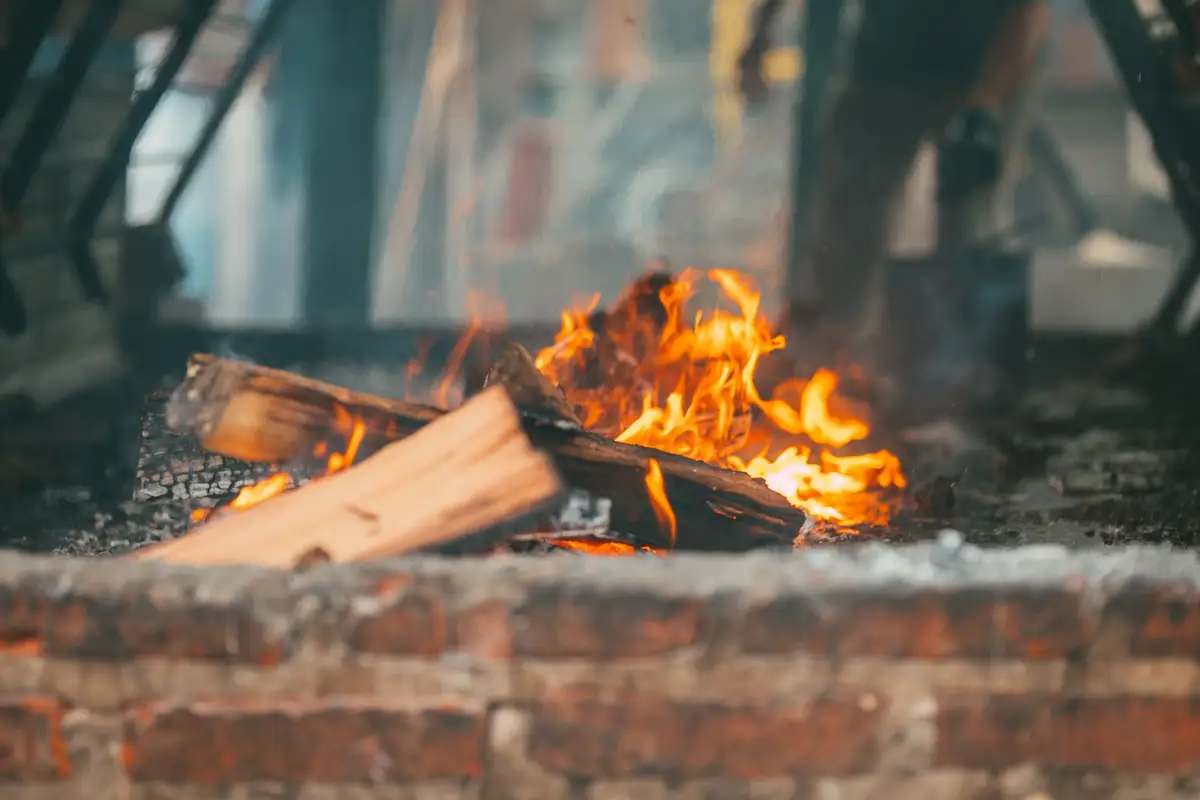
The cooks also read the fire itself. Clean, pale smoke means dry wood and good airflow; thick grey smoke means damp wood or fat dripping onto the coals, and food is moved off until it clears. If anything reaches your table that tastes of ash rather than smoke, please tell your server. We would rather cook it twice than have you eat it.
Keep reading
Birthdays, office dinners and family gatherings: how group bookings work at a kitchen with one hearth.
Different woods give different heat and smoke. Here is what we burn and why.
From lighting the fire at 2 pm to the last plate at 11.30.