Quick answer
Selling skincare, soaps and ayurvedic products online works when your labels and pages are complete and honest: full ingredient lists, net quantity, batch and expiry details, the right licence for what you make, and no promises to cure or treat conditions. Clear photos, patch-test advice, reviews and refill reminders then build loyal repeat buyers.
You can sell skincare, handmade soaps and ayurvedic products online successfully if your labels and product pages are complete and honest, you hold the right licence for what you make, and you never promise that a product cures or treats a condition. Buyers in this category read ingredient lists carefully and come back again and again when a product suits them, so trust and repeat orders matter more than a big launch.
This guide covers what to put on your pages, the licence and labelling basics to check, how to photograph and describe products, and how to turn first orders into regulars. Rules for cosmetics and ayurvedic products are detailed and change, so treat this as general information and confirm your own case with a regulatory consultant, lawyer or CA.
Which licences might you need?
What you need depends on what you make and how you classify it:
- Cosmetics such as soaps, creams, face washes, scrubs and lip balms are regulated under India's drugs and cosmetics laws, and manufacturing them for sale usually needs a manufacturing licence from your state's licensing authority. Imported cosmetics need registration with the central regulator.
- Ayurvedic, siddha and unani products, including many oils, churnas and herbal formulations, come under AYUSH rules and usually need a licence from the state licensing authority for ayurvedic drugs.
- Edible products such as herbal teas or honey fall under food safety rules and FSSAI registration or licensing.
- Packaged goods sold to consumers must follow Legal Metrology labelling rules.
Whether a herbal face pack is a cosmetic or an ayurvedic medicine depends on its formulation and claims, so get advice before you print labels. Our post on registrations to start an online business covers the general ones such as GST and Udyam.
What should your labels and product pages show?
Mirror your physical label on the product page so buyers can read it before they pay:
- Product name and what it is for, in plain words.
- Full ingredient list, in descending order, with the common name next to the botanical name where helpful ("turmeric (Curcuma longa)").
- Net quantity in grams or millilitres.
- MRP inclusive of all taxes, and the selling price.
- Manufacturer name and address, and licence number where required.
- Batch number, manufacturing date and expiry or "best before".
- Directions for use, storage, and warnings.
- Customer care contact details.
Photograph the label on the back of the pack as one of the product photos, so shoppers can zoom in.
What can you say, and what should you avoid?
This is where many small brands get into trouble. A cosmetic is meant to cleanse, beautify or improve appearance. Claims that a product treats, cures or prevents a disease turn it into a drug in the eyes of the law, and misleading claims are also a consumer protection issue.
| Safer wording | Avoid |
|---|---|
| "Gently cleanses and leaves skin feeling soft" | "Cures acne in 7 days" |
| "Made with neem and tulsi" | "Kills all bacteria", "antiviral" |
| "Helps skin feel moisturised" | "Treats eczema", "heals psoriasis" |
| "Traditionally used in ayurveda for hair care" | "Stops hair fall permanently", "regrows hair" |
| "Free from parabens" (if true and tested) | "100% chemical-free" (everything is chemical) |
Also avoid "dermatologist approved", "clinically proven" or "certified organic" unless you have the study or certificate and can show it. Before-and-after photos are risky; if you use customer photos, get written permission and avoid implying guaranteed results.
How do you help buyers choose the right product?
Skincare returns usually come from a mismatch, not a fault. Help buyers choose:
- Say which skin or hair type each product suits, and which it may not.
- Recommend a patch test on every leave-on product.
- Offer trial sizes or minis so people can try before buying the full jar.
- Make a simple "routine" page linking cleanser, toner and moisturiser for each skin type.
- Answer questions quickly on WhatsApp; the UpMinutes WhatsApp chat button puts you one tap away.
Use product options for size (50 g, 100 g, 250 g) or fragrance, each with its own price, stock and photo. Our guide to writing product descriptions helps with tone.
How should you photograph natural products?
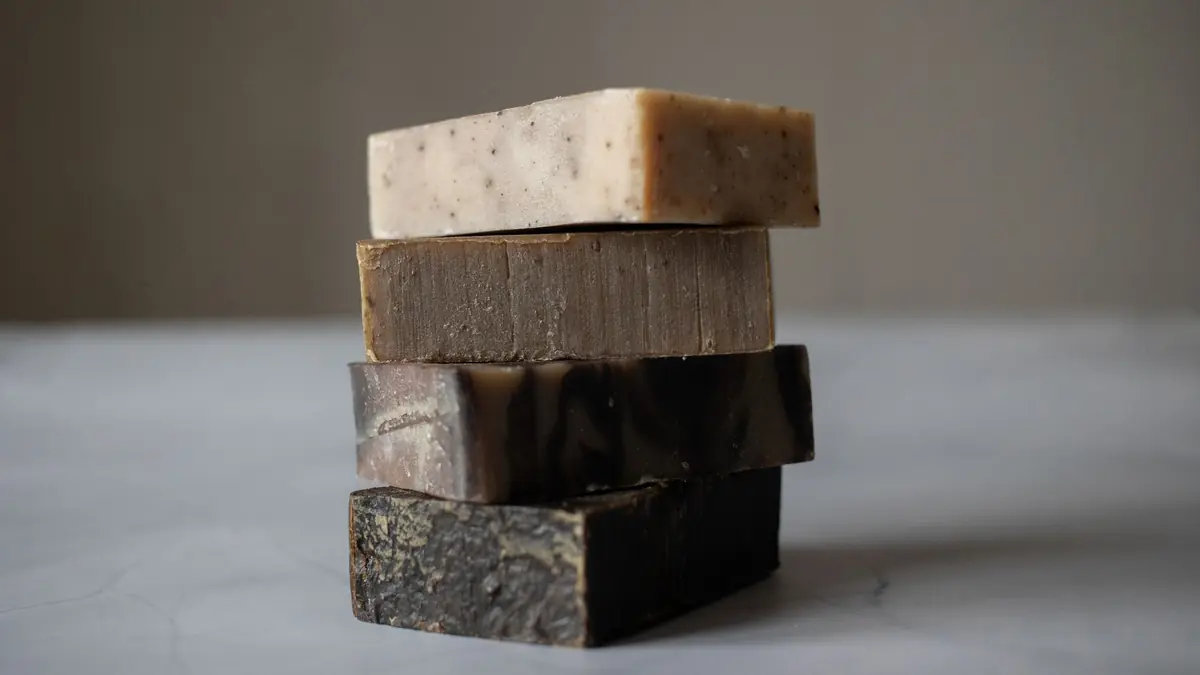
Soft daylight, natural textures (stone, wood, linen) and a few real ingredients beside the product tell the story quickly: a sprig of tulsi, a bowl of multani mitti, a slice of a handmade soap bar showing its layers. Add a texture shot (cream on a fingertip, lather on hands) and the label on the back. Keep the background consistent across the range so your catalogue looks like one brand. See product photos with a phone.
How do you ship creams, oils and soaps safely?
- Seal lids with shrink bands or tape, and put liquids in a zip bag before boxing.
- Use paper filler so jars cannot knock together; glass needs extra padding.
- Handmade soaps sweat in humid weather, so wrap them in breathable paper.
- Avoid long transit for products that melt, such as some balms, in peak summer, or add a delivery note.
Our post on eco-friendly, on-brand packaging has ideas that suit natural brands well.
How should you price small-batch skincare?
Handmade and small-batch products cost more to make than mass-market ones, and that is fine as long as you price for it. Add up ingredients, packaging, labels, your time, testing, wastage from failed batches, gateway and courier fees, and the occasional damaged parcel. Then add your margin. Say a 100 g soap bar costs you ₹70 to make and pack, and delivery averages ₹60 per order: selling single bars at ₹150 with free delivery leaves almost nothing, while a pack of three at ₹420 with a free-delivery threshold works far better. The profit margin and GST calculators make this quick. Show MRP inclusive of all taxes, as consumer packaging rules expect.
How do you build repeat buyers?
A face wash runs out in a few weeks, which is good news for you. Make reordering easy:
- Reviews: UpMinutes sends review request emails after delivery, and reviews show with verified-buyer marks and stars in Google results.
- Loyalty points: points per ₹100 spent, earned when the order is delivered and redeemed at checkout.
- Back-in-stock emails for small-batch products that sell out.
- Bundles and quantity prices: a full routine at a combined price, or three soaps for less.
- Gift cards for festivals and weddings, which carry no GST on sale; GST applies when the card is spent.
- Email campaigns for new launches and seasonal care tips.
Read more in turning first buyers into regulars.
Which store design suits a skincare brand?
UpMinutes has eleven beauty and wellness themes, each with a live demo in light and dark styles. Pick one that lets photos breathe and shows ingredients clearly, then try it with your own products before you switch. If you sell to customers abroad, such as family and friends of existing buyers in the Gulf, the UK or Singapore, visitors there see guide prices in their own currency and pay in rupees. Check the import rules of each country before you ship cosmetics or herbal products overseas. More trade guides are in the industry guides category.
Frequently asked questions
Do I need a licence to sell handmade soap online in India?
Soap is generally treated as a cosmetic, and making cosmetics for sale usually needs a manufacturing licence from your state licensing authority. Rules have details and exceptions, so check with a regulatory consultant before you sell.
Can I call my product ayurvedic if it uses herbs?
Calling a product ayurvedic can bring it under AYUSH rules and licensing. Using herbal ingredients in a cosmetic is different from selling an ayurvedic medicine, so take advice on how to classify and label it.
Can I write that my product is chemical-free?
It is better not to. Every ingredient, including water and plant oils, is a chemical, and the phrase can mislead. Say specifically what is not in it, such as 'no added fragrance', if that is true.
Should I sell sample sizes?
Minis and trial packs lower the risk for first-time buyers in skincare. Price them so they cover packing and shipping, and offer a small coupon towards the full size.