Quick answer
Good packaging protects the product first, then keeps courier costs down and makes your brand memorable. Use the smallest sturdy box that fits, because couriers charge on volumetric weight; choose paper-based fillers and tape where you can; and add your brand through a stamp, sticker, thank-you card or ribbon rather than expensive custom-printed boxes.
Good packaging for online orders does three jobs, in this order: it gets the product to the customer undamaged, it keeps your courier costs down, and it makes your brand memorable when the box is opened. For most small brands that means the smallest sturdy box that fits, paper-based fillers instead of plastic where they protect just as well, and simple branding through stamps, stickers and a handwritten card rather than costly custom-printed boxes.
This guide covers choosing boxes, keeping volumetric weight down, eco-friendly materials that work in Indian conditions, branding on a small budget, and a packing checklist you can pin above your table.
How do you choose the right box size?
Couriers in India usually charge on whichever is higher: the actual weight or the volumetric weight of the parcel. Volumetric weight is worked out from the box size, commonly length × width × height in centimetres divided by 5,000 for many courier services (check your courier's own divisor). A light cushion in a large box can cost more to ship than a heavy book in a small one.
Say you ship a 300 g cushion cover in a 30 × 25 × 15 cm box: 11,250 ÷ 5,000 = 2.25 kg volumetric. Fold it into a 25 × 20 × 5 cm mailer and it becomes 0.5 kg. With delivery rates that charge for the first 500 g and then each extra 500 g, that difference adds up across hundreds of orders.
Practical habits:
- Stock three or four standard box sizes that fit most of your products.
- Use flat mailers or poly-free paper mailers for clothes and soft goods.
- Measure and weigh each packed product once, and record it on the product in your store, so delivery charges are accurate.
- Cut down oversized boxes rather than filling them with air.
In UpMinutes you can charge delivery by weight (first 500 g, then each extra 500 g), by order value, per product or by distance, so set product weights to match how you pack. See shipping in India for courier basics.
What eco-friendly packaging materials work?
| Need | Common choice | Lower-plastic alternative |
|---|---|---|
| Outer packaging | Plastic courier bag | Corrugated box or kraft paper mailer |
| Cushioning | Bubble wrap | Honeycomb kraft paper, crinkle paper, shredded paper |
| Void fill | Air pillows, thermocol | Crumpled newsprint-free paper, moulded pulp |
| Sealing | Plastic tape | Paper tape (gummed or self-adhesive) |
| Product wrap | Polybag | Tissue paper, cloth pouch, glassine bag |
| Moisture protection | Plastic sleeve | Glassine or a reused, clean sleeve; keep plastic where truly needed |
Be practical. During the monsoon, a paper mailer may get soaked on a delivery bike, so a water-resistant layer can still be the right choice for clothing. Fragile glass needs proper protection; a broken product and a replacement shipment have a far bigger footprint than a little bubble wrap. Our guide to shipping fragile and perishable items covers those cases.
Check India's plastic waste rules for the materials you use, especially single-use plastic items that are banned and the producer responsibilities that can apply to brand owners. Ask your supplier or a consultant if unsure.
Can you reuse boxes from suppliers?
Yes, for many products, as long as they are clean, strong and free of other brands' printing that could confuse the customer or the courier. Cover old labels completely. Some brands make a feature of it with a small stamp saying "We reuse boxes to cut waste."
How do you brand packaging on a small budget?
Custom-printed boxes need large minimum orders. Until your volumes justify that, these low-cost touches do most of the work:
- A rubber stamp with your logo on plain kraft boxes or tissue.
- Stickers to seal tissue paper or the box flap.
- A thank-you card, ideally handwritten for the first order from a customer.
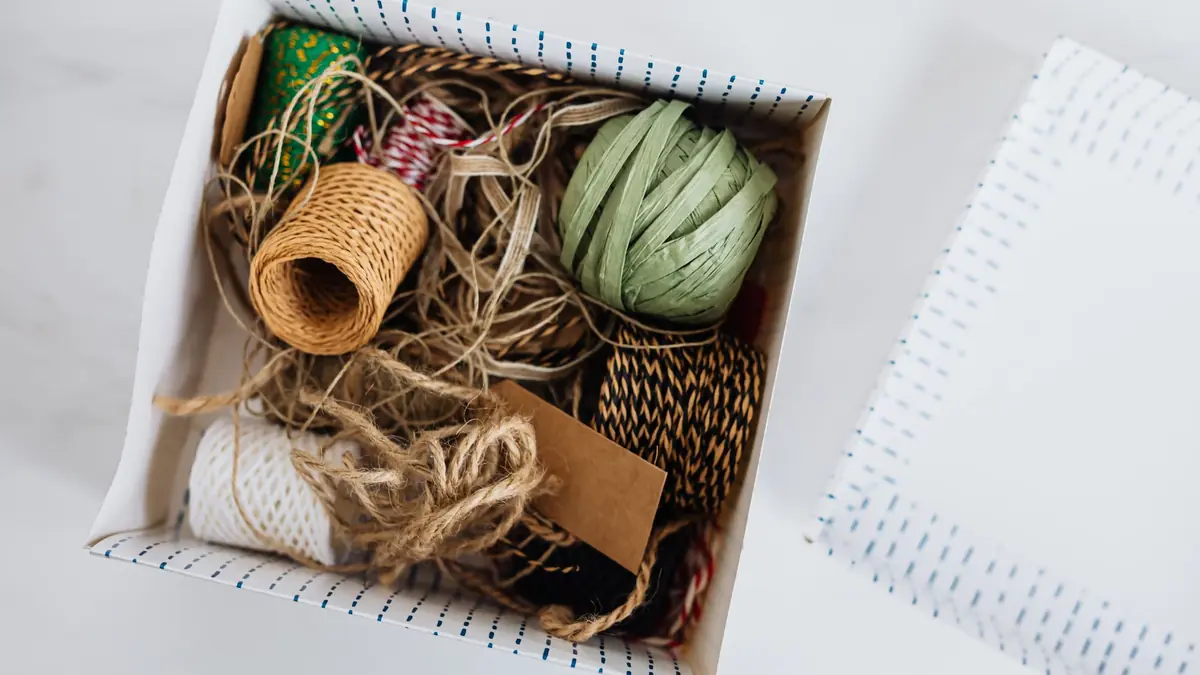
- Ribbon or twine for gift orders.
- A care card explaining how to wash the fabric or store the product.
- Branded paper tape once you can order the minimum quantity.
Keep the look consistent with your store: the same colours and tone of voice your customer saw online.
What should you put inside the box?
Inserts are cheap and can bring the next order:
- A thank-you note with your website address and WhatsApp number.
- A request for a review, with a short link. UpMinutes also sends review request emails after delivery.
- A small coupon for the next order, or a reminder of loyalty points earned.
- A packing slip, which you can print from your dashboard, so the customer can check the contents.
- For gift orders, the price hidden and a gift message included.
Our guide to turning first buyers into regulars has more ideas.
How do you keep packaging costs low?
- Buy in bulk from local packaging suppliers once you know your standard sizes.
- Standardise. Fewer box sizes mean better prices and faster packing.
- Measure cost per order: box, filler, tape, insert and label. Add it to your profit margin calculations.
- Price it in. Many brands include packaging in product prices or delivery charges rather than absorbing it.
- Do not over-pack. More layers cost more and annoy eco-conscious customers.
How do you pack faster in busy weeks?
Festive weeks and sales can double or triple your daily orders, and packing becomes the bottleneck. A little preparation helps:
- Pre-fold boxes and pre-cut tissue in quiet hours, and keep each size in its own labelled stack.
- Batch by product. Print packing slips for the day, group orders with the same items, and pack them together.
- Set up a line: one person picks and checks, another wraps and seals, a third labels and weighs.
- Pre-write thank-you cards in batches, leaving only the name to add.
- Book couriers in one go at a fixed time each day, so pickups are predictable.
UpMinutes lets you print packing lists and slips and download bulk invoices, and with Shiprocket connected you can book a courier from each order and print the label. Our festive sale planning guide covers the wider preparation.
Does packaging help when selling abroad?
Parcels going abroad travel further and are handled more, so use stronger outer boxes and seal them well. Keep paperwork, such as invoices and customs forms, in a clear pouch on the outside if your courier asks. If you sell to customers abroad through your UpMinutes store, set those countries up as separate delivery zones with their own rates; read international shipping from India for paperwork.
A packing table checklist
- Check the product against the order and packing slip.
- Wrap the product (tissue, pouch or sleeve).
- Choose the smallest sturdy box that fits with padding.
- Fill gaps so nothing moves when shaken.
- Add the thank-you card and inserts.
- Seal with tape that shows if opened.
- Film the packing of high-value orders.
- Attach the label flat and clearly, with the AWB visible.
- Weigh the parcel and check it matches the booked weight.
Get these steps right and customers notice. More guides are in the shipping and delivery category.
Frequently asked questions
What is volumetric weight in courier shipping?
It is a weight worked out from the box's size, used when a parcel is large but light. Many couriers divide length by width by height in centimetres by 5,000, but check your courier's formula.
Is paper packaging strong enough for online orders?
For clothes, books, cosmetics in sealed jars and many gifts, good corrugated boxes and kraft mailers work well. Glass, liquids and fragile items need extra cushioning and sometimes a water-resistant layer.
Should I charge customers for packaging?
Most brands include packaging in product prices or delivery charges rather than showing it separately. Work out your packaging cost per order so your pricing covers it.
How can a small brand afford custom packaging?
Start with plain boxes and a logo stamp or stickers, plus a printed thank-you card. Move to custom-printed boxes when your order volume meets suppliers' minimum quantities.