Quick answer
Kids' clothes and toys sell well online when sizes are given by age and by measurement, fabric and safety details are clear, toys meet Indian safety marking rules, and gifting is easy with wrapping, gift cards and birthday bundles. A simple exchange policy matters, because children grow fast and sizes are hard to guess.
Selling children's clothes and toys online comes down to helping parents and gift buyers choose with confidence. Give sizes by age and by actual measurement, explain fabrics and safety plainly, make sure toys meet Indian safety marking rules, and make gifting easy. Because most buyers are guessing a size for a child who is growing, a simple, friendly exchange policy is as important as the products themselves.
Who buys kids' clothes and toys online?
Two kinds of shopper, with different needs:
- Parents buying for their own children. They care about comfort, fabric, washability, safety and value, and often know the child's measurements.
- Gift buyers: grandparents, aunts, uncles and friends buying for birthdays, naming ceremonies, festivals and new babies. They care about looking good, gift wrapping, delivery on time and easy exchange, and usually only know the child's age.
Your store should work for both. Show sizes by age for gift buyers and by measurement for parents, and make gifting options obvious.
How do I write size guides for kids' clothes?
Age labels alone cause exchanges, because two four-year-olds can be very different sizes. A good kids' size guide shows:
| Size label | Age | Height (cm) | Chest (cm) | Garment length (cm) |
|---|---|---|---|---|
| 2-3Y | 2 to 3 years | your measurement | your measurement | your measurement |
| 3-4Y | 3 to 4 years | … | … | … |
| 4-5Y | 4 to 5 years | … | … | … |
Fill in measurements from your own garments, not from a generic chart, because brands vary. Add a line of advice such as "If between sizes, choose the larger one; children grow fast." UpMinutes has a starter size guide for kids by age that you can edit and attach to products. Our guide to size guides that reduce returns explains how to measure.
For babies, use months (0-3M, 3-6M, 6-12M) and give weight and length ranges as well.
What fabric and care details do parents want?
- Fabric content: 100% cotton, cotton blend, muslin, organic cotton (only if certified).
- Feel: soft, breathable, no scratchy labels or rough seams.
- Fastenings: snap buttons, zips, ties, and whether they are easy for nappy changes.
- Embellishments: sequins, beads or small buttons, which may not suit babies.
- Care: machine wash, colour may run in the first wash, shrinkage expected.
Show at least one close-up of fabric and inside seams, and a photo of the garment flat with a ruler or tape for scale.
What are the safety rules for selling toys in India?
Toys sold in India are covered by quality control rules that, since 2021, generally require them to meet Indian standards and carry the BIS standard mark (the ISI mark) under a licence. This applies to imported and domestic toys alike. Some handmade toys by registered artisans have had exemptions. The rules are detailed and are updated from time to time, so check the current position with the Bureau of Indian Standards or an expert before you stock toys, and buy only from suppliers who can show compliance.
On every toy listing, state:
- the recommended age, especially "Not suitable for children under 3 years" where there are small parts
- materials: wood, cloth, plastic type, paint (and that it is non-toxic only if you have proof)
- battery type, whether included, and whether the battery compartment is screw-secured
- dimensions and weight
Do not make safety claims you cannot back up, such as "100% safe" or "certified" without the actual certificate.
How can I make gifting easy?
Gifting can be a large share of a kids' store's orders, so build for it:
- Gift wrapping as a product option with its own price, for example "Gift wrap +₹50".
- A gift message in the order note, printed on a card.
- No prices in the parcel for gift orders; send the invoice by email to the buyer.
- Gift cards for buyers who do not know the size. In UpMinutes, gift cards are sold as a product, emailed with a message and spent in parts. No GST is charged on the card itself; GST applies when the card is spent.
- Birthday bundles: an outfit plus a toy plus a card at a bundle price. UpMinutes supports bundles and "buy X get Y" offers.
- Collections by age and occasion: "Gifts for 1-year-olds", "Return gifts under ₹200", "Naming ceremony".
What exchange policy works for kids' products?
Exchanges for size are unavoidable. A clear, generous rule builds trust:
- Size exchange within a set number of days of delivery, unworn, unwashed and with tags.
- No returns on opened toys for hygiene and safety, unless damaged or faulty.
- Gift orders exchangeable by the recipient with the order number.
- Refund as store credit or to the original payment.
In UpMinutes, customers request a return or exchange from their order page with photos, and you approve, mark it received and complete the exchange or refund. Store credit is emailed as a gift card. See our returns policy guide for wording.
How should I photograph kids' products?
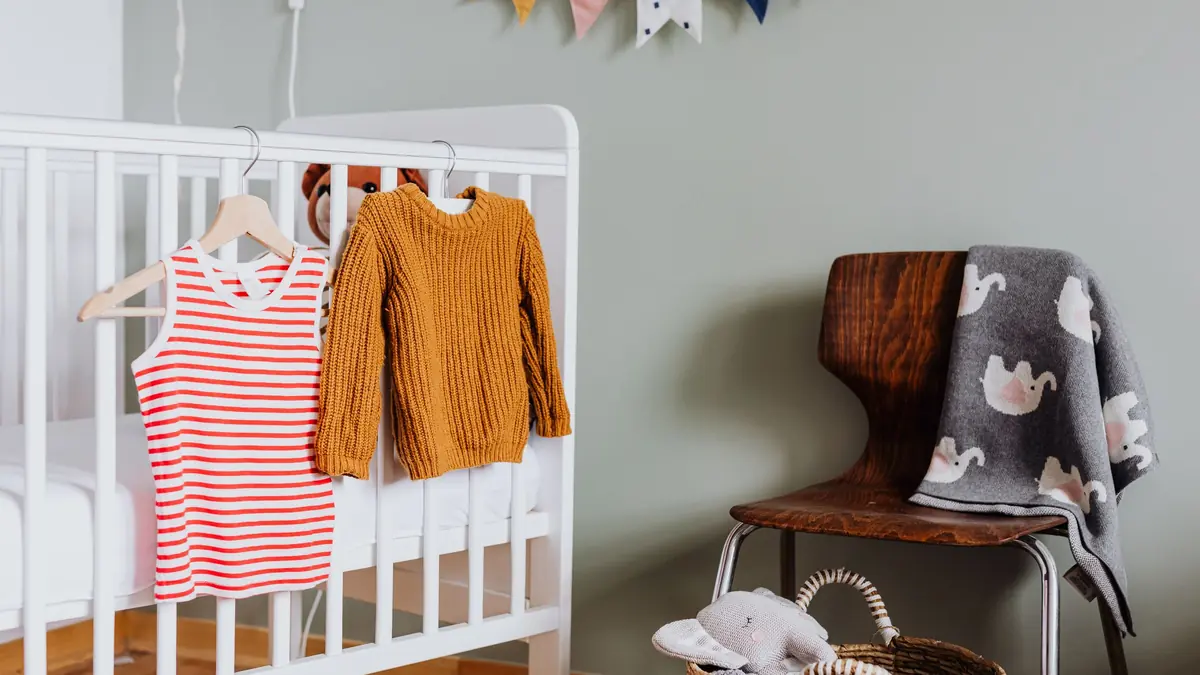
Photographing children brings consent and privacy questions. Many sellers avoid it entirely and use flat lays, hangers and child-size mannequins, which also make your catalogue consistent. If you do use child models, get written consent from parents, keep it modest, and never use photos of children you do not have permission to use. Our guide to flat lay and mannequin photography shows how to make clothes look good without models.
How should I price and ship kids' products?
Kids' clothes are light, which helps with courier costs, but order values are often small. If a frock sells for ₹450 and delivery costs you a fair share of that, free delivery on every order will eat your margin. Two common fixes are free delivery above an order value, which encourages parents to add a second item, and quantity prices, such as "any 3 for ₹1,200". UpMinutes supports both, along with "spend more, save more" offers. Check each price with the free profit margin calculator.
Toys are bulkier and sometimes fragile. Charge delivery by weight, or give heavy items their own delivery charge, and pack wooden and battery toys in boxes rather than soft mailers. If you sell locally, a "check delivery" box on the product page tells shoppers by PIN code whether you deliver and how many days it takes, which matters for birthday gifts with a fixed date.
When do kids' products sell most?
Plan stock around school reopening, summer holidays, Diwali and other festivals, winter wear season, and Children's Day on 14 November. Birthday gifting runs all year. Our festival sales calendar helps you plan ahead.
Kids' store checklist
- Size guide by age and measurement on every clothing product
- Fabric, fastenings and care details
- Toy age ratings, materials and safety marking checked
- Gift wrap option, gift message and gift cards
- Collections by age and occasion
- A clear size-exchange policy
UpMinutes has eight Education & kids themes among its 150 themes, plus fashion themes that suit kids' wear.
Frequently asked questions
Do I need BIS certification to sell toys online in India?
Generally, toys sold in India must meet Indian standards and carry the BIS mark, with some exemptions. Check the current rules with BIS or an expert before you stock toys.
How do I reduce size exchanges for kids' clothes?
Give measurements as well as age, advise sizing up when in doubt, and show a photo of the garment beside a measuring tape.
Can gift buyers send a parcel without the price inside?
Yes. Keep printed prices out of gift parcels and email the invoice to the buyer instead, and add their message on a card.