Quick answer
Micro-influencers suit small brands when their audience matches your customers. Find them by searching your niche and checking engagement, start with a product-for-content barter or a small fee, give a short written brief, insist on clear ad disclosure as Indian guidelines require, and track results with a unique coupon code for each creator.
Micro-influencers are creators with modest but engaged followings, often a few thousand to tens of thousands of people, usually in one niche or city. For a small brand, they are often a better bet than big names: they cost less, their followers trust their recommendations, and their audience may be exactly your customers. To make it work, choose creators by audience fit rather than follower count, agree a clear deal and brief in writing, make sure every post is properly disclosed as an ad, and track sales with a unique coupon for each creator.
Why do micro-influencers suit small brands?
- Niche audiences. A Coimbatore food creator, a Kolkata saree stylist or a Pune parenting page reaches people who care about one thing.
- Affordable deals. Many will work for products, a modest fee, or both.
- Language. Plenty of creators post in Tamil, Telugu, Kannada, Hindi, Marathi, Bengali and more, reaching shoppers big campaigns miss.
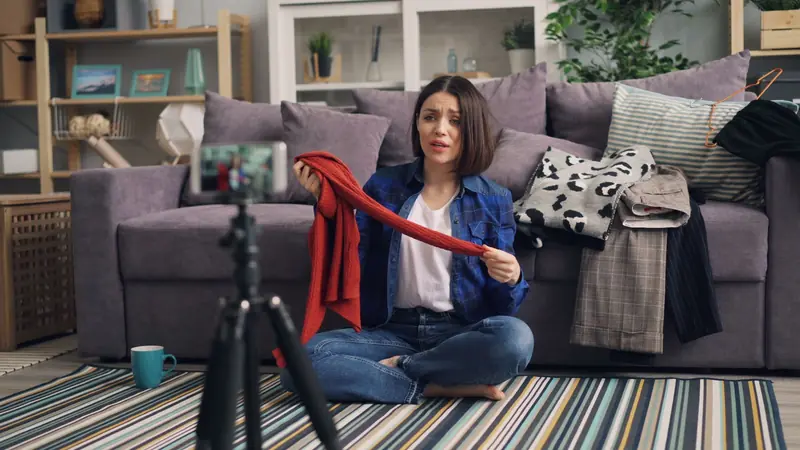
- Real content. Their unboxing or try-on videos can be reused, with permission, on your own channels.
How do you find the right influencers for your brand?
Start where your customers already spend time:
- Search hashtags and places on Instagram and YouTube for your niche: "handloom saree styling", "Chennai food", "skincare for oily skin India".
- Look at who your customers follow. Check the profiles of people who tag you or comment on your posts.
- Check who already likes you. A creator who has bought from you and posted without being asked is the ideal partner.
- Look at competitors' tags in your category, for ideas, not to copy.
How do you check if an influencer is a good fit?
Before you message anyone, spend ten minutes on their profile:
| Check | Good sign | Warning sign |
|---|---|---|
| Comments | Real questions about products and places | Only emojis or generic "nice pic" |
| Audience | Followers who look like your customers | Mostly from places you do not deliver |
| Sponsored posts | A few, well chosen, clearly marked | Every other post is an ad |
| Tone | Honest, including the occasional "not for me" | Everything is "amazing" |
| Growth | Steady over months | Sudden jumps in followers |
Ask the creator for their audience insights (city, age, gender split) as screenshots. Serious creators share them happily.
Barter or paid: which deal should you offer?
- Barter (product for content): you send products, they post. Good for testing with newer creators. Be clear about what you expect in return, and accept that barter creators may post on their own schedule.
- Paid: a fee for agreed content, often with your products too. Better for guaranteed timing, usage rights and specific deliverables.
- Commission: a share of sales through their code. Attractive for you, but many creators prefer some guaranteed payment.
Rates vary widely by niche, language, city and format, so ask creators for their rate card rather than guessing. Free products and fees can have tax implications for both sides; ask your CA about TDS and GST on collaborations.
What should an influencer brief include?
A one-page brief prevents most disappointments. Include:
- About you: two lines on your brand and who your customers are.
- The product: what to feature, key facts (fabric, ingredients, size), and anything they must not claim, such as medical benefits.
- Deliverables: for example, one Reel of 30 to 60 seconds and three stories with a link, by a set date.
- Key message: one thing you want viewers to remember.
- Disclosure: how the post must be labelled as an ad (see below).
- Coupon code and link to your store.
- Approvals: whether you see the draft before it goes live.
- Usage rights: whether you can reuse the video on your own pages or in ads, and for how long.
- Payment: amount, when, and how.
Leave room for their style. Their audience follows them for how they talk, not for your script.
What are the disclosure rules for influencers in India?
The Advertising Standards Council of India (ASCI) has guidelines for influencer advertising, and the Department of Consumer Affairs has published guidance for endorsements on social media. In short, when there is a material connection, such as payment, free products or any other benefit, the post should carry a clear, upfront label such as "Ad", "Sponsored", "Collaboration" or "Partnership", visible without clicking "more". Creators must also have actually used the product they endorse. Brands share responsibility for making sure disclosure happens, so put it in your brief and check posts. Read the current guidance on ASCI's website before your first campaign, as it is updated from time to time.
How do you track whether influencer posts bring sales?
Likes are nice; orders pay the bills. Give each creator their own tracking:
- A unique coupon code per creator, such as PRIYA10. In UpMinutes, coupons can be percentage (with a cap), fixed, or free delivery, limited to a collection, with start and expiry dates and maximum uses.
- A tagged link with UTM parameters, so your analytics shows where visitors came from. UpMinutes shows top sources in its cookie-free analytics, and connects to Google Analytics 4 and Meta Pixel.
- A simple sheet per campaign: cost, orders with the code, revenue, and new versus returning customers.
Our store analytics guide explains sources and funnels in plain terms.
What mistakes do small brands make with influencers?
- Choosing by follower count alone. A large following outside your delivery area or price range brings likes, not orders.
- No written agreement. Even a short WhatsApp message listing deliverables, dates and payment avoids arguments later.
- Scripts that sound like ads. Followers scroll past anything that does not sound like the creator.
- One post and done. People often need to see a product a few times before buying. Two or three posts over a month usually tell you more than one.
- Not being ready for the traffic. Check stock, delivery dates and that the coupon works before the post goes live.
How should you ship products to influencers?
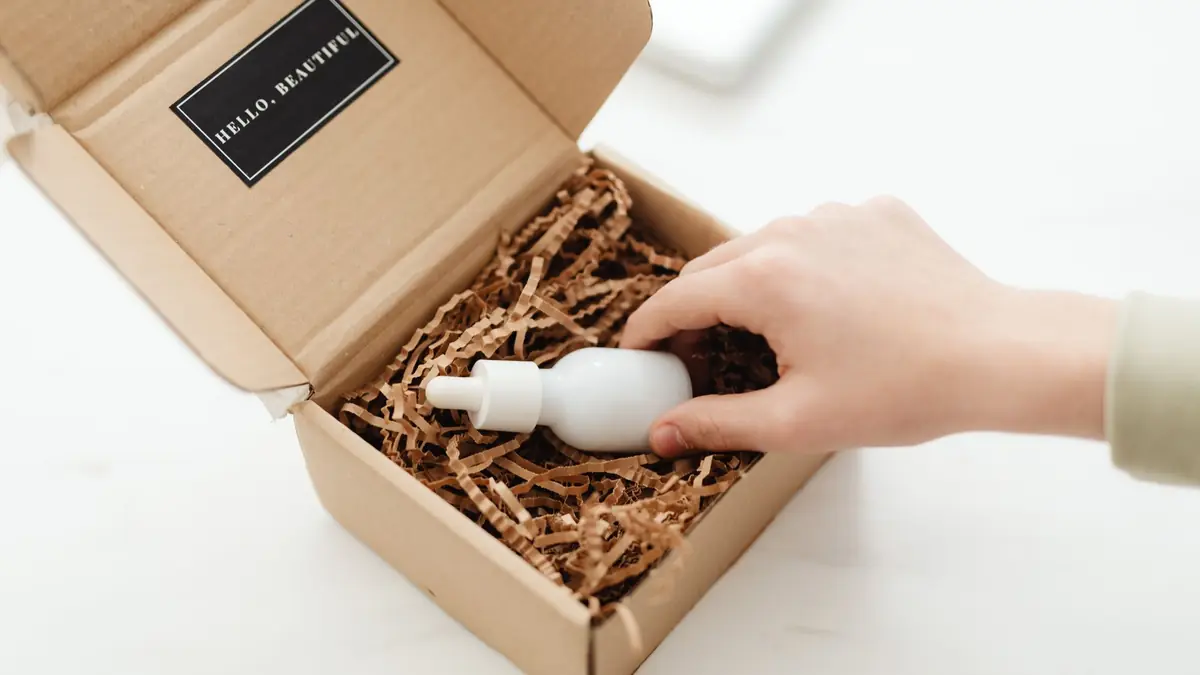
Treat it like your best customer's order. Pack beautifully, add a handwritten note, and include a card with the coupon code. If you are building a brand, this is the moment for good packaging; see our post on eco-friendly branded packaging. Create the order in your dashboard so stock and records stay accurate.
After the campaign: what next?
- Thank the creator and share results with them; good partners appreciate it.
- Repost their content (with permission) on your store and Reels.
- Keep the creators who brought sales for longer partnerships.
- Note what kind of content worked: try-ons, unboxings, tutorials, or day-in-the-life.
Influencer posts work best alongside your own content. Our guide to Instagram Reels for product sellers shows how to keep your own feed active, and building a D2C brand in India puts this in the bigger picture. When creators send people to your store, make sure it is ready: you can start a free trial of UpMinutes and set up creator coupons in minutes.
Frequently asked questions
How many followers does a micro-influencer have?
There is no fixed definition, but it usually means a few thousand to tens of thousands of followers. Engagement and audience fit matter more than the exact number.
Do influencers have to say a post is paid in India?
Yes, ASCI guidelines and government guidance expect a clear label like Ad or Collaboration when there is payment, free product or another benefit. Check ASCI's current guidance.
Is barter collaboration a good idea for a new brand?
It is a low-cost way to test creators and get content. Be clear in writing about what you expect, and do not be surprised if timing is flexible.
How do I know if an influencer campaign worked?
Give each creator a unique coupon code and tagged link, then compare orders and revenue with what you spent, including products and shipping.