Quick answer
A small shop becomes a D2C brand by choosing a clear niche, giving it a memorable name and honest story, making products and packaging recognisably yours, selling from its own website rather than only marketplaces, creating content customers want, and building a list of repeat customers you can reach directly.
A direct-to-consumer (D2C) brand is simply a business that sells its own products straight to customers, rather than through distributors, retailers or only through marketplaces. Many well-known Indian D2C brands began as a small shop, a home kitchen or an Instagram page. Growing from a small shop into a brand comes down to six things: a clear niche, a name and story people remember, products and packaging that are recognisably yours, your own website as the home of the brand, content that earns attention, and customers who come back.
What is the difference between a shop and a brand?
A shop sells products. A brand sells products that people ask for by name. The difference shows up in a few ways:
| A shop | A brand | |
|---|---|---|
| Customers find you by | Location or a search for the product | Your name |
| Price | Compared with the shop next door | Compared with the value you promise |
| Products | Often the same as others stock | Your own designs, recipes or selection |
| Customer relationship | Ends at the counter | Continues through email, WhatsApp and repeat orders |
You do not need to become a big company to make this shift. A home baker known across her city for one cake, or a weaver family whose stoles are recognised on sight, is already a brand.
How do I choose a niche?
The most common mistake is trying to sell everything to everyone. A narrow niche is easier to explain, easier to market and easier to be the best at. Ask:
- What do customers already come to you for? Your bestsellers and the questions people ask point to your niche.
- What can you do better or differently? A recipe, a craft, a sourcing relationship, a fit, a price point.
- Who exactly is it for? "Working women who want breathable cotton kurtas for office" is better than "women".
- Is there enough demand? Check Google searches, Instagram hashtags and what people ask in community groups.
Say you run a dry-fruits shop. "Dry fruits" is crowded. "Low-sugar festive gift boxes for corporate and family gifting" is a niche you can own.
How do I create a brand name and story?
A good name is short, easy to say and spell in the languages your customers speak, available as a domain and on Instagram, and not too close to anyone else's trademark. Our guide to choosing a brand name and logo walks through checks, including a trademark search.
Your story is why you exist. Keep it honest and specific: who started it, why, and what you care about. "My grandmother's pickle recipe, made in small batches in Guntur" is a story. "We are passionate about quality" is not.
Why do packaging and product consistency matter?
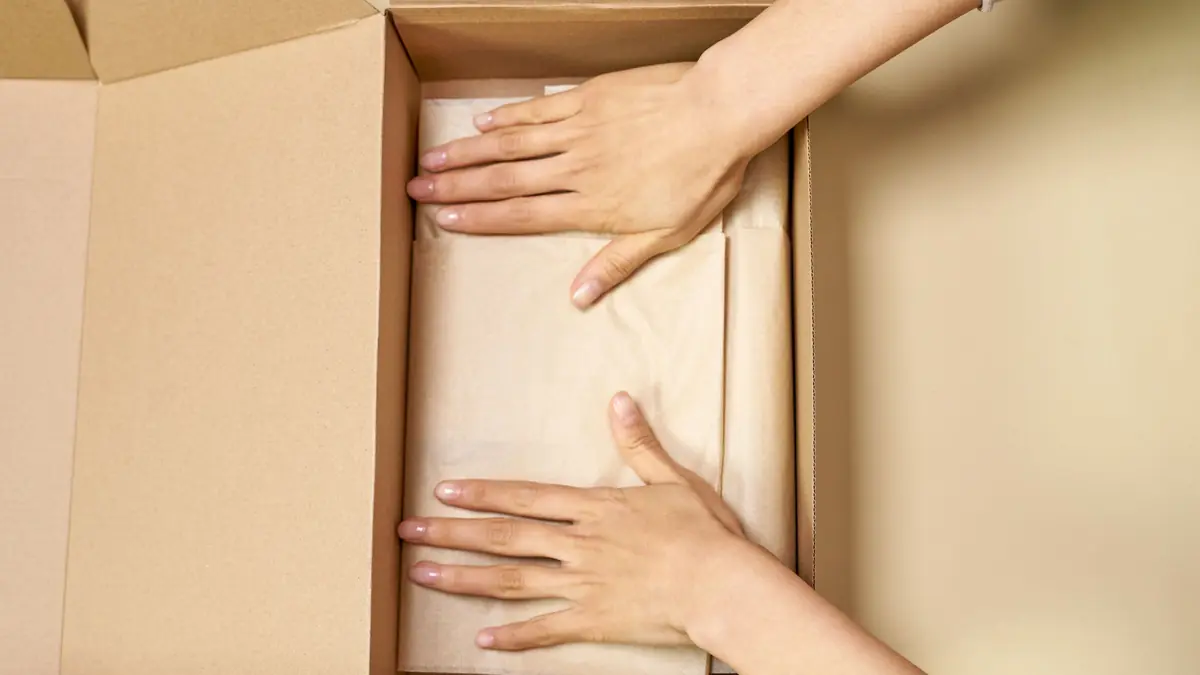
For a D2C brand, the moment a parcel is opened is your shop counter. It does not need to be expensive to feel considered:
- a sturdy box or mailer with your logo, a sticker or a stamp
- a thank-you card in your voice, ideally handwritten for early customers
- product labels with your name, care or use instructions and contact details
- consistent quality, so the second order matches the first
Many customers now prefer less plastic. Our guide to eco-friendly branded packaging has practical options.
Why does a D2C brand need its own website?
Marketplaces bring traffic, but they put your product next to competitors, control the customer relationship and take a commission. Your own website is the one place where:
- your brand is the only brand on the page
- you set prices, offers and policies
- you get the customer's name, email and phone, with their consent, to reach them again
- you can tell your full story with your own photos and words
Many brands use both: marketplaces for discovery and their own site for repeat customers and higher margins. Our comparison of marketplaces vs your own store looks at the trade-offs.
UpMinutes gives you a branded store with your own domain, UPI, cards and cash on delivery through your own Razorpay account, GST invoices, and no commission on your sales. Plans run from a home seller's Starter plan up to Pro with 1,000 products and 15 team members, and Pro adds brand styles for your accent colour, fonts and button shapes. See pricing.
What content should a small brand create?
Content is how people discover and remember you. Focus on what your customers find useful or enjoyable:
- Making and behind the scenes: the kitchen, loom, workshop or packing table.
- How to use: recipes, styling, care, before and after.
- Customers: real reviews and photos, shared with permission.
- Founder voice: why you started, what you are working on.
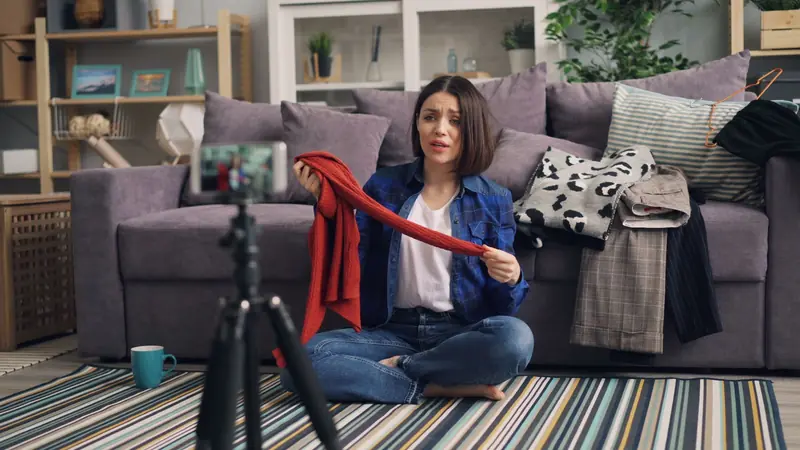
Short videos on Instagram and YouTube are where many Indian shoppers discover new brands; read Instagram Reels for product sellers. Working with small creators in your niche is another route, covered in micro-influencer marketing.
How do I turn first buyers into repeat customers?
Repeat customers are what make a D2C brand profitable, because you do not pay to find them again. Simple habits help:
- thank first-time buyers personally and ask how they liked the product
- ask for a review after delivery
- email new launches to past customers first
- reward loyalty with points per ₹100 spent
- make reordering easy, especially for consumables like food, skincare and pet supplies
UpMinutes includes review requests, email campaigns, loyalty points, wishlists and back-in-stock emails, so these habits do not need extra tools.
When should I bring in help?
Most small brands start with the founder doing everything: making, photographing, packing, replying and posting. That is fine at first, but growth stalls once you spend all day packing. Common first hires or helpers are someone to pack and ship orders, and someone to handle customer messages. Later come a person for content and a person for the catalogue.
Give each person access only to what they need. In UpMinutes you can add team members with roles such as manager, orders, catalogue or view only, they sign in with one-time email codes rather than shared passwords, and an activity log shows who changed what. Starter allows 2 people, Growth 5 and Pro 15, including the owner.
Also look at selling beyond your city. Delivery zones can cover all of India and other countries, and visitors abroad see guide prices in up to 12 currencies, while orders are charged in rupees. Indians abroad are often keen buyers of brands from home.
D2C brand checklist
- A one-sentence niche: what, for whom, and why you
- A name checked for domain, social handles and trademarks
- An honest story on your About page
- Packaging and labels that are recognisably yours
- Your own website with your domain
- Three content themes you can post on every week
- A plan to bring first buyers back
Building a brand is slow at first and then compounds. Start small, keep your promise on every order, and let customers spread the word.
Frequently asked questions
How much money do I need to start a D2C brand?
It varies widely by product. Many brands start with a small batch, phone photos and a low-cost website, then reinvest early profits into stock and packaging.
Should a new D2C brand sell on marketplaces too?
It can, for discovery. Keep your own website as the home of the brand, where you own the customer relationship and keep more of each sale.
Do I need to register a trademark?
It is wise once you have a name you plan to keep. A trademark attorney can search for conflicts and file the application.