Ekanda or ottu: what the joint changes
A single-log veena and a joined one sound different, cost different and suit different players. A plain comparison.
Every instrument is tuned and played for you before it leaves · Insured shipping across India
41 South Main Street, near Ayyankulam, Thanjavur 613009
Mon–Sat · 9.30 am – 7.30 pm · Sun by appointment
A log that is carved too soon will crack within a year. What happens in our wood store between the tree and the chisel.
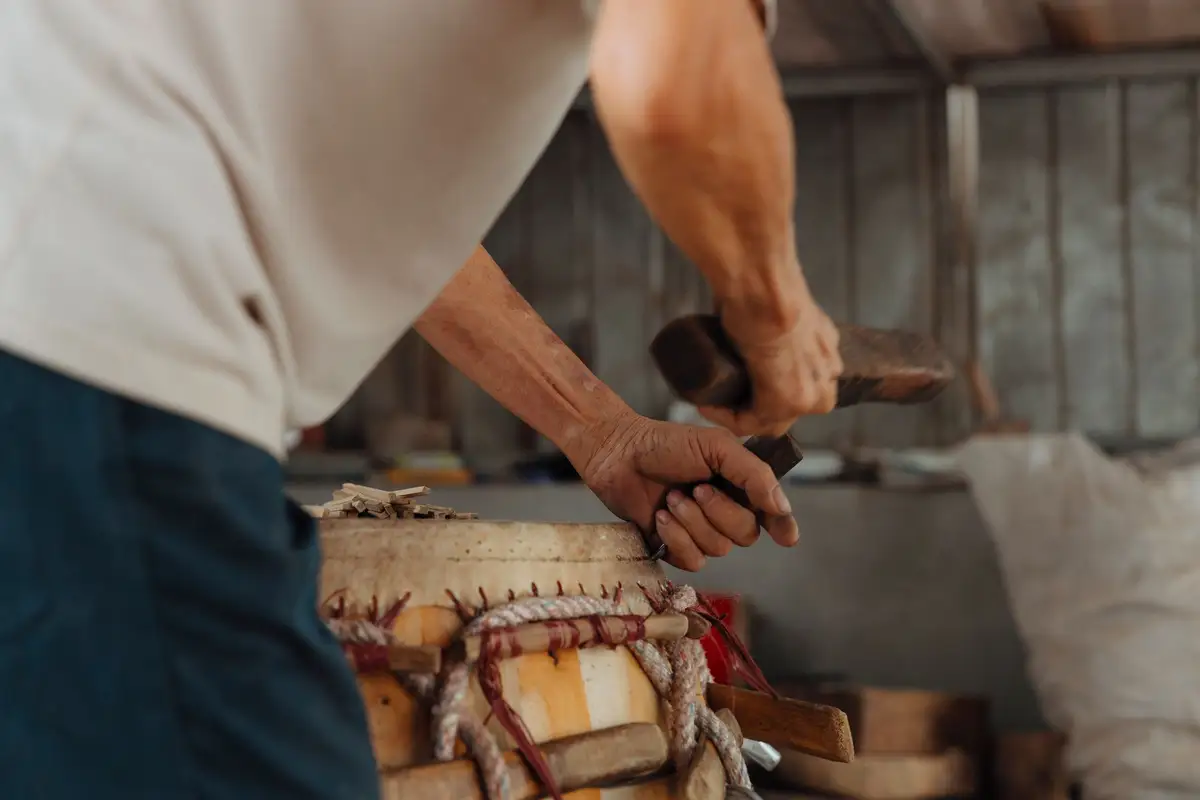
Every veena and mridangam we make begins as a jackwood log from the Panruti area, about a hundred kilometres north of Thanjavur. We buy from farmers who are clearing trees at least thirty years old, because older wood is denser and more even.
The log arrives green and heavy with sap. We cut it into rough lengths for a veena body, a tambura or a mridangam shell, seal the ends with wax so they do not split, and stack them in the covered store behind the workshop with gaps for air between them.
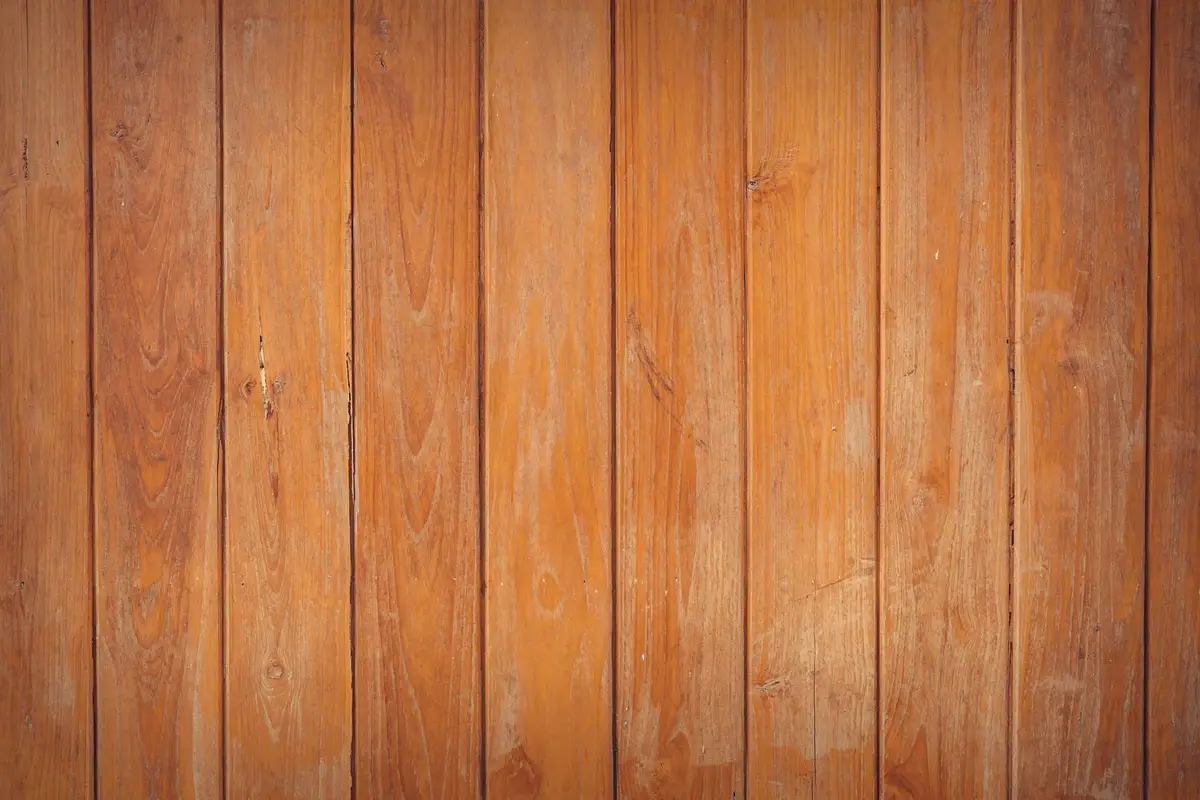
Then we wait. In the first year the wood loses most of its water. In the second and third it settles, the colour deepens from yellow to a warm orange-brown, and the small movements that cause cracks happen in the store instead of in your home. We weigh each length every few months and note it on the end in chalk.
Only after three years does a maker tap the wood, listen to it and decide what it will become. A length with a clear, ringing note may become a veena; a slightly duller one might be better as a mridangam shell, where the skins do more of the work. It is slow, and it ties up money in wood that cannot be sold. It is also the main reason our instruments survive moves between Chennai humidity and the dry north.
Keep reading
A single-log veena and a joined one sound different, cost different and suit different players. A plain comparison.
Skins, straps and the black sadham each have a price. A line-by-line look at our ₹4,500 re-skinning charge.
Why a Western violin straight from the box is hard to play in Carnatic style, and the four changes we make.