What mridangam re-skinning costs, and why
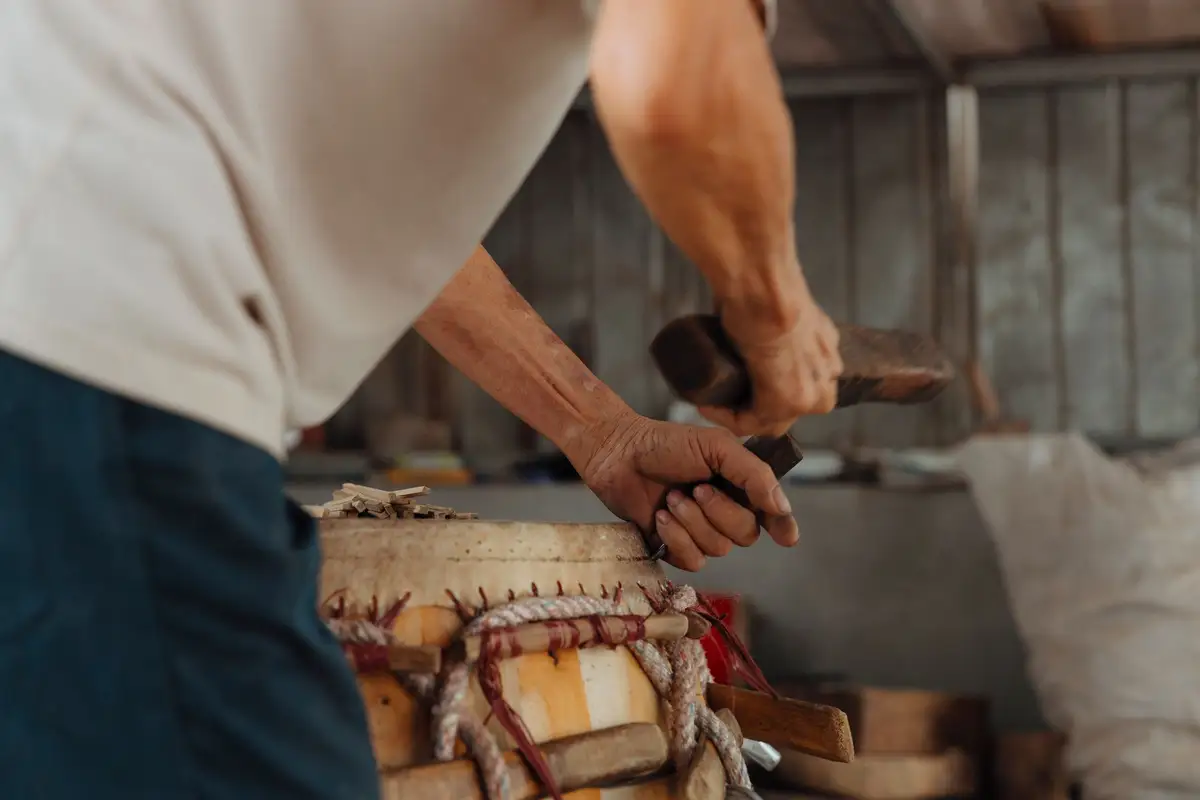
Skins, straps and the black sadham each have a price. A line-by-line look at our ₹4,500 re-skinning charge.
Every instrument is tuned and played for you before it leaves · Insured shipping across India
41 South Main Street, near Ayyankulam, Thanjavur 613009
Mon–Sat · 9.30 am – 7.30 pm · Sun by appointment
A single-log veena and a joined one sound different, cost different and suit different players. A plain comparison.
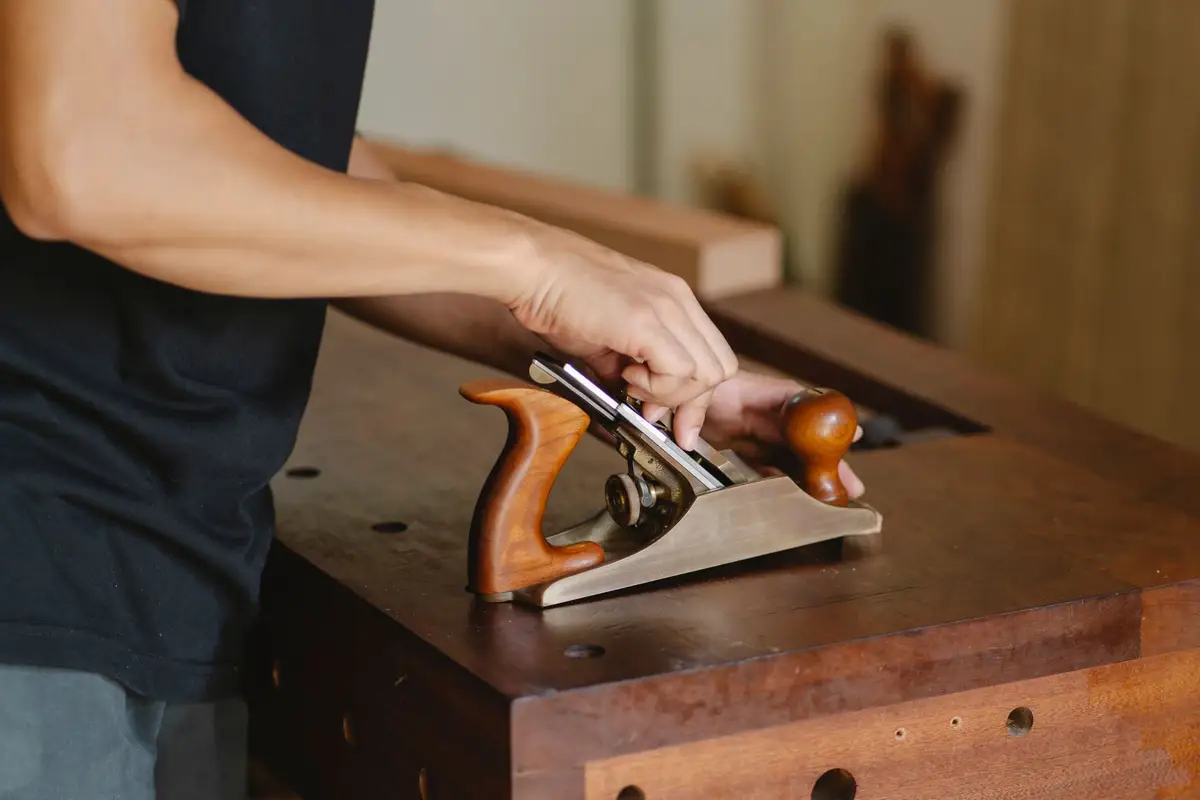
An ekanda veena is carved from one piece of jackwood: the large resonator, the neck and the head all come from a single log. An ottu veena is built from separate pieces, usually the resonator from one block and the neck from another, joined with a carefully cut joint.
The ekanda veena is prized because the vibration travels through unbroken wood. To our ears it has a longer sustain, especially on the lower strings. It also needs a large, flawless log, which is harder to find each year, and it takes about four months to make. Our ekanda veenas start at ₹72,000.
An ottu veena lets the maker choose the best wood for each part. The joint, when it is cut well and glued with the grain matched, is very strong and does not buzz. The sound is a little brighter and the instrument is quicker to make, about ten weeks. Prices start at ₹42,000.
Is one better? Many fine concert players use ottu veenas. For a student, or for anyone who travels with the instrument, an ottu veena is a sensible choice and easier to repair if the neck is ever damaged. If you are deciding, come and play one of each in the same hour. Most people hear the difference on the lowest string within a minute, and then decide whether it is worth the extra cost to them.
Keep reading
Skins, straps and the black sadham each have a price. A line-by-line look at our ₹4,500 re-skinning charge.
Why a Western violin straight from the box is hard to play in Carnatic style, and the four changes we make.
The Margazhi concerts begin in December. Our order book fills in August. A month-by-month guide to timing.