A morning with the Rayya group
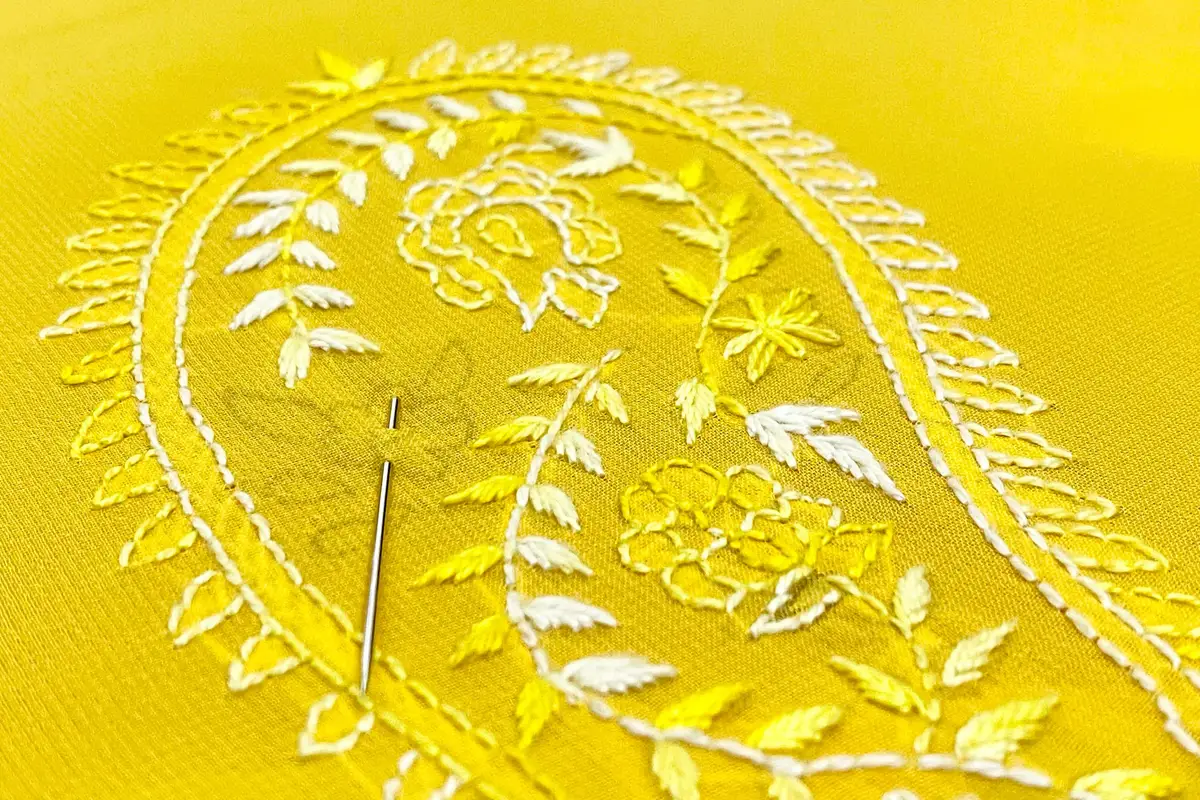
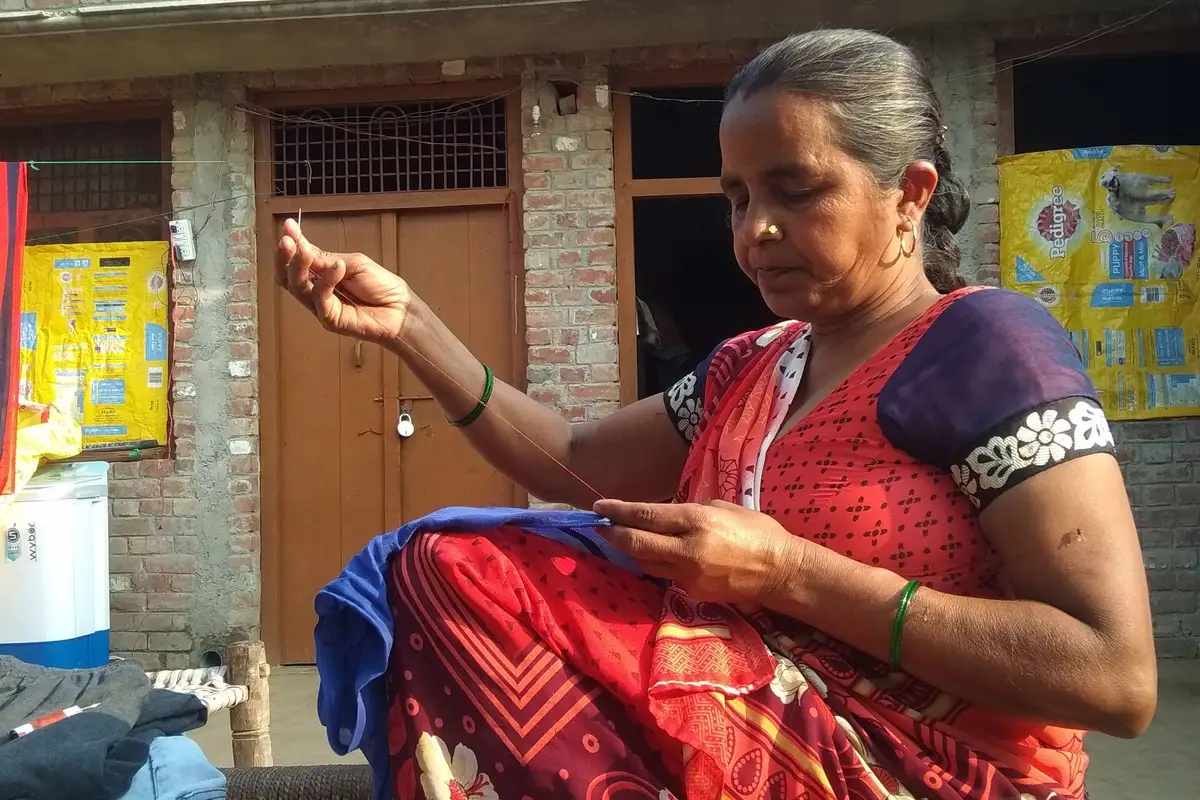
Twenty-two women, one courtyard and three hours of darning before lunch: how a phulkari is made.
Every piece hand-darned in villages around Amritsar · Shipped across India in 4 days
41 Lawrence Road, near Novelty Chowk, Amritsar 143001
Mon–Sat · 10.30 am – 8 pm · Sun 12 – 6 pm
Two festivals, two seasons: warm layers for a January bonfire and light cotton for an April harvest fair.
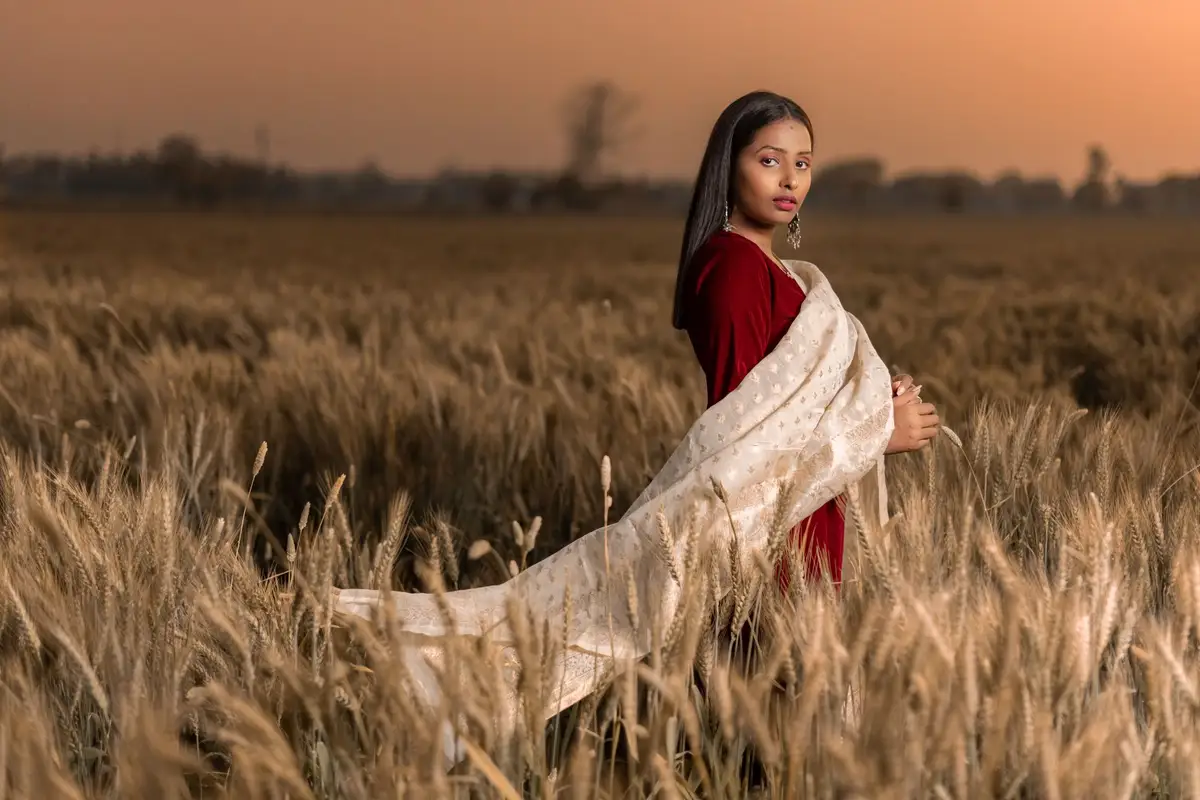
Lohri and Baisakhi are the two days our shop is busiest, and they ask for quite different clothes.
Lohri falls on 13 January, in the coldest week of a Punjab winter, and it is celebrated outdoors around a bonfire late into the evening. This is the time for heavier pieces. A cotton or khaddar phulkari dupatta wrapped over a woollen suit keeps you warm, and our wool shawl with deep phulkari borders works well over a plain suit or saree. Men often wear a phulkari stole over a kurta with a plain shawl on top. Choose deep colours, which look best in firelight: rust, maroon, gold.
Baisakhi comes on 13 or 14 April, when the wheat is ready to harvest and the day is already warm. Melas and gurdwara visits mean long hours in the sun, so choose light cotton or georgette. Our georgette dupattas in parrot green, rani and peach are made for this. A white or pale cotton suit with a bright phulkari dupatta is the classic look, and it photographs well in daylight.
For both festivals, if you are visiting a gurdwara, a dupatta that covers the head comfortably is useful. Our cotton dupattas are 2.3 m long, enough to drape and cover at once.
Keep reading
Twenty-two women, one courtyard and three hours of darning before lunch: how a phulkari is made.
A ₹38,500 wari da bagh, broken down: cloth, silk, the maker’s time and the rest.
How to get from the Harmandir Sahib to Lawrence Road, and what else is worth seeing on the way.