Your first video call with our stylist: what to expect
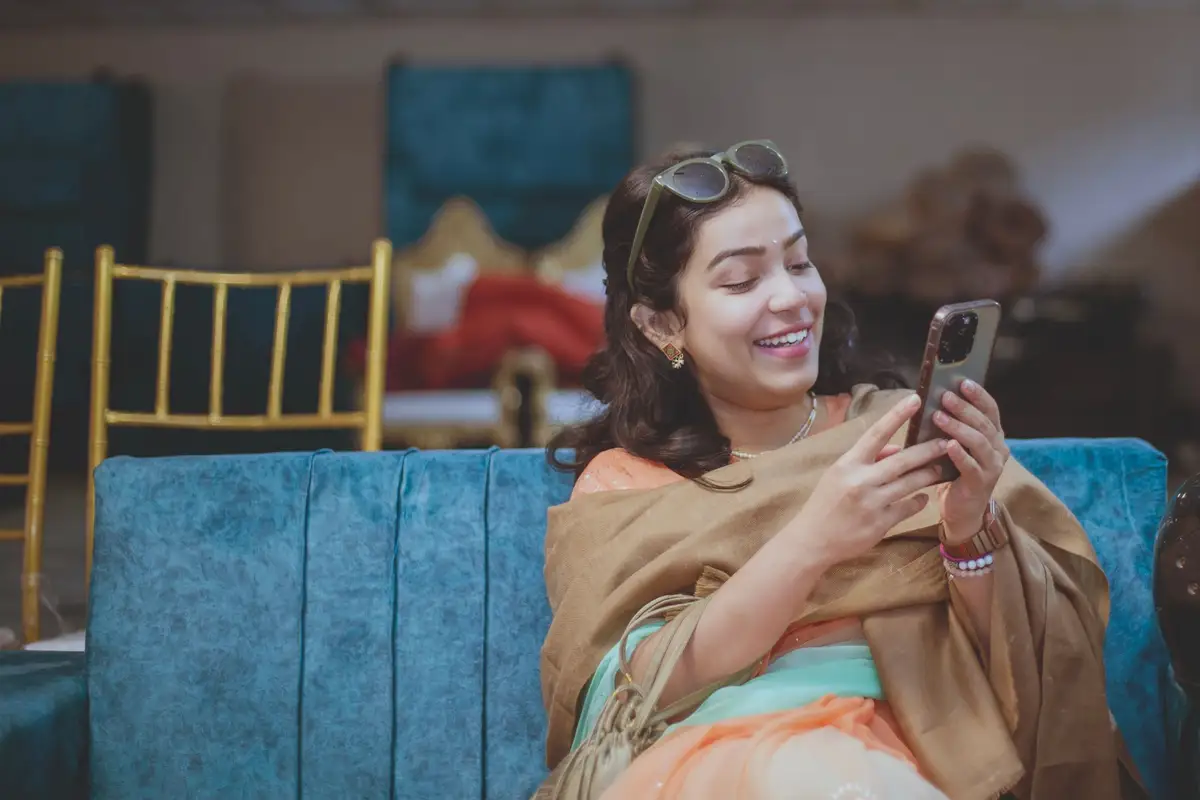
How the free 20-minute call works, what to keep ready and how to see true colour on a phone screen.
Free shipping across India on orders above ₹2,999 · Cash on delivery available
14 Cross Cut Road, Gandhipuram, Coimbatore 641012
Mon–Sat · 10 am – 8.30 pm · Sun 11 am – 6 pm
Silk, zari, dyeing, weaving days and our margin: an honest breakdown of one bestseller.
We are sometimes asked why a handwoven silk saree costs several times more than one from a powerloom. The simplest answer is to show where the money goes. Here is the breakdown for our maroon butta saree, which sells for ₹15,600.
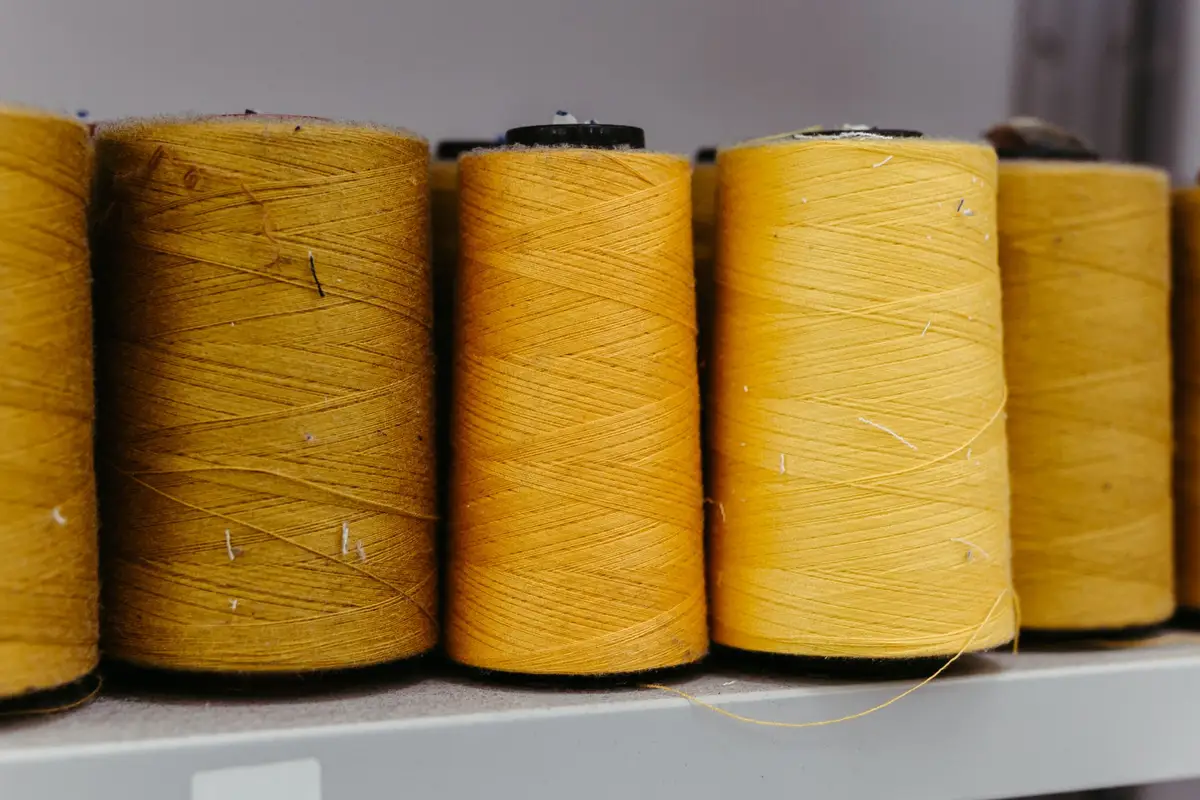
Raw materials come first. The saree uses about 620 g of mulberry silk yarn, which costs the weaving family close to ₹4,600 at current prices. The gold zari for the buttas and temple border is about 90 g of tested zari, costing around ₹2,300. Degumming and dyeing in two colours adds roughly ₹600.
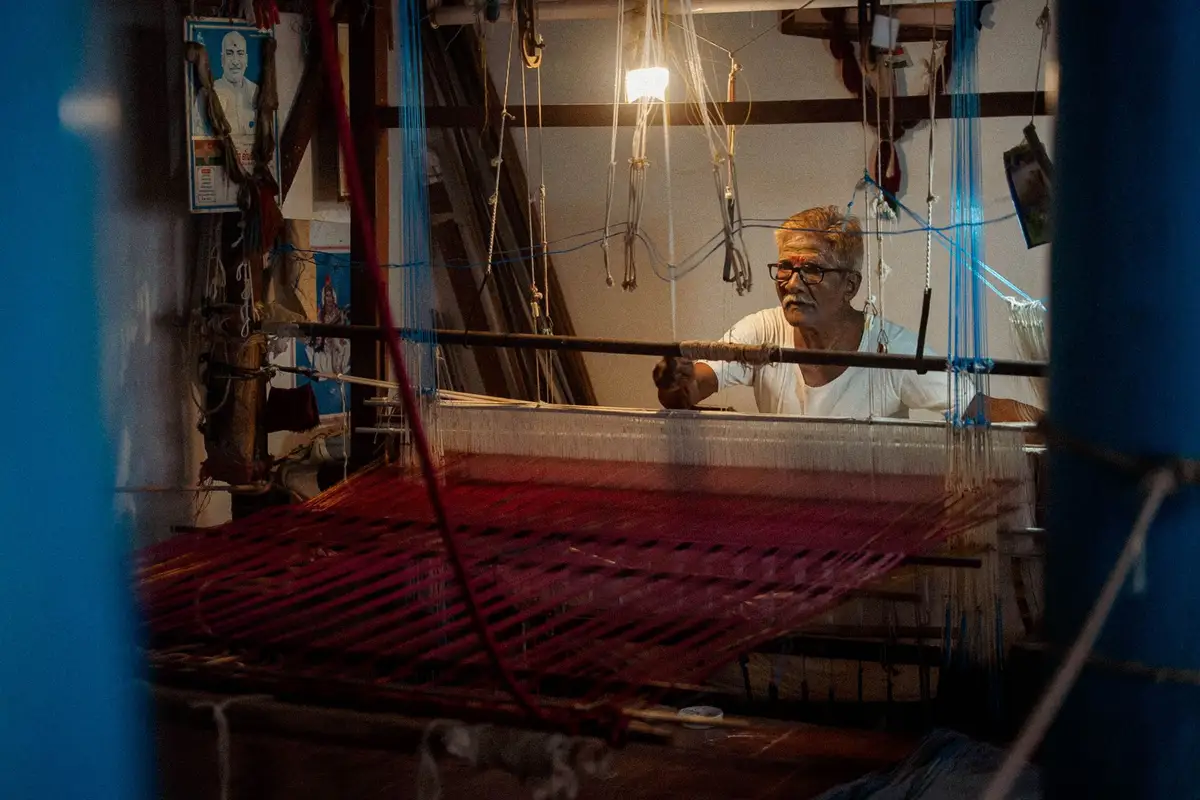
Weaving is the largest single cost. This saree takes 12 days on the loom, with a second person helping on the border for part of that time. We pay the family by the day, at ₹420 per loom day plus ₹250 a day for the helper, which comes to about ₹6,000 once warp preparation is included.
That brings the saree to roughly ₹13,500 before it leaves the village. Transport, quality checks, the cloth-lined box, photography and payment fees add about ₹800. GST is included in the price. What remains is our margin, a little over ₹1,000, which pays for the shop on Cross Cut Road, our staff and the free exchanges. A powerloom saree of a similar look might sell for ₹4,000. The yarn is often thinner, the zari is synthetic and the loom does a day’s handwork in an hour. Both have their place. We just think you should know what you are paying for.
Keep reading
How the free 20-minute call works, what to keep ready and how to see true colour on a phone screen.
Fold it differently each time, keep it away from naphthalene, and let it breathe twice a year.
Why the border and body are woven separately, and how to spot the joint.