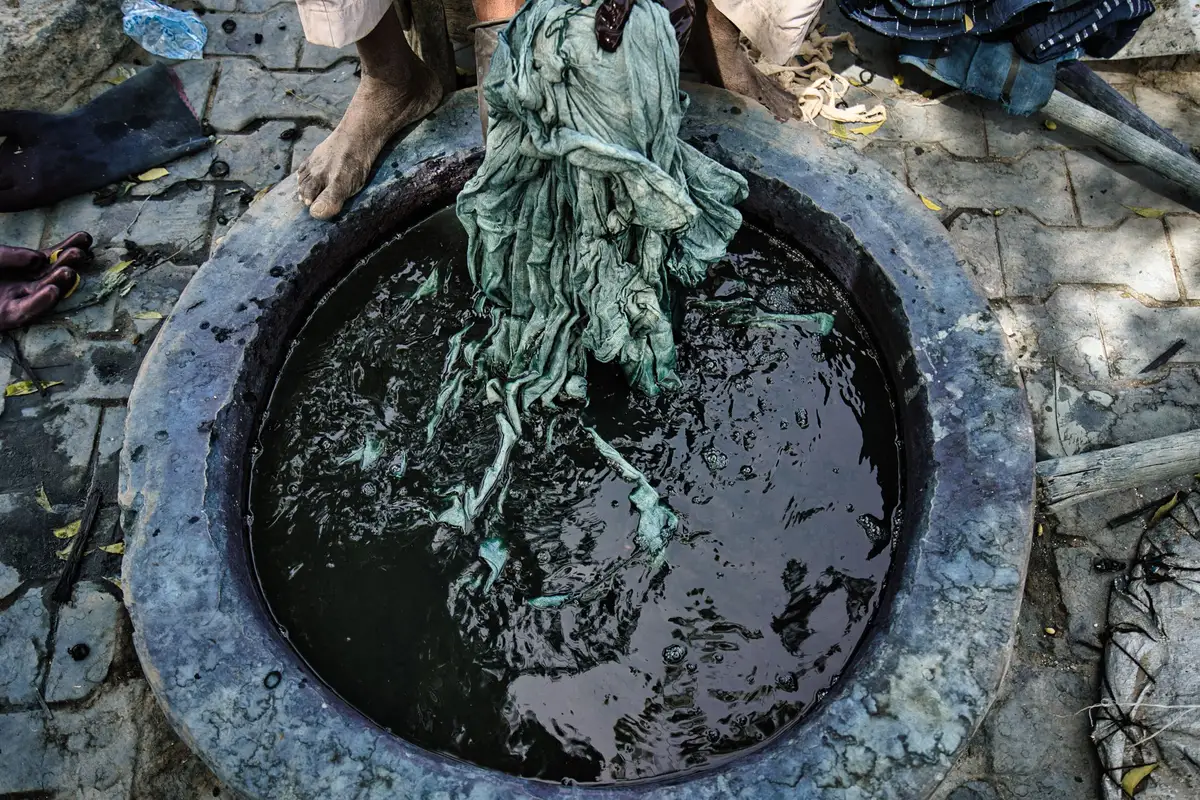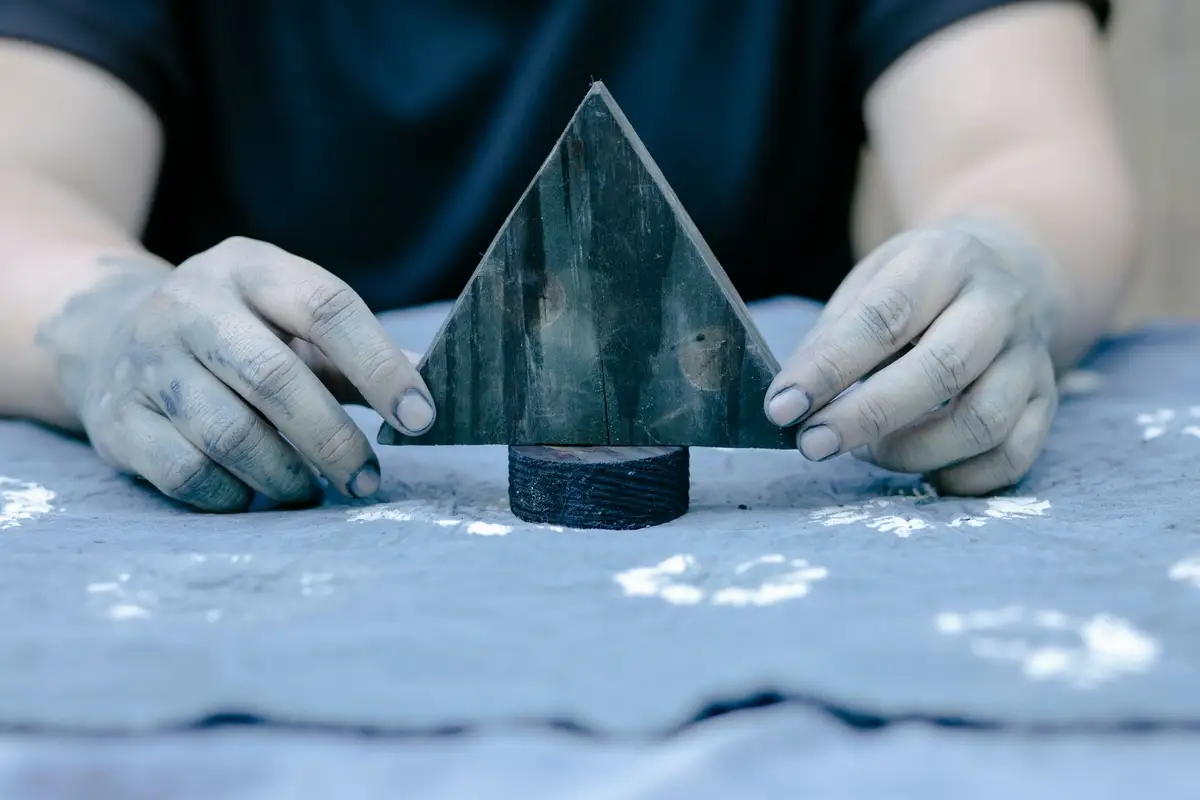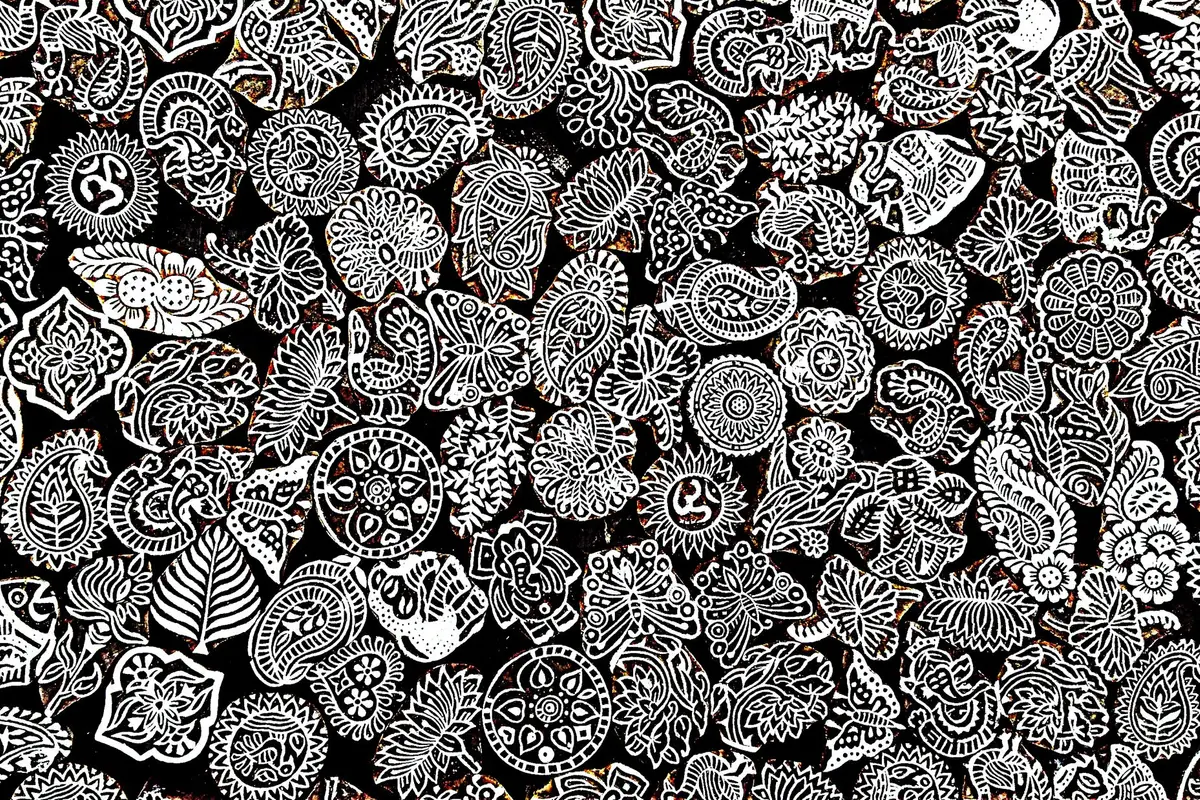
Our block carver, two lanes away
A day with the man who carves every teak block we print with, and why we keep the old ones.
Printed and dyed in our Jaipur workshop · Shipped across India in 4–6 days
41 Chhipa Mohalla, Sanganer, Jaipur 302029
Tue–Sun · 10 am – 7 pm · Sessions by booking
Choosing weight, filling and print for a hand-quilted razai, and caring for it between winters.

A Jaipuri razai is the reason Jaipur families do not need heavy blankets in December. It is light enough to fold into a small bag, yet warm on nights when the city drops to 5 °C. The secret is the cotton filling, carded until it is fluffy and spread very evenly, then held in place by hundreds of rows of quilting.
The weight is the first choice. A single razai with 600 g of cotton is enough for most of India. Our double razai has 1.2 kg. Heavier razais, up to 2 kg, are made for colder places like Delhi and Lucknow, but in Jaipur they feel too warm.
Next is the cover. Mulmul covers are soft and breathable. Cambric is a little stronger and keeps its shape longer. Our razais use cambric outside and mulmul lining, printed in dabu indigo or Sanganeri florals.
Care is simple. Never machine wash a razai, because the filling will lump. Use a removable cover for daily use and wash that instead. Air the razai in the sun for a few hours each month in winter.
In March, before you store it, dry clean it or air it well for two days. Fold it loosely in a cotton bag, never plastic, with neem leaves or a little camphor against insects. Kept like this, a razai lasts ten winters or more.
Keep reading
A day with the man who carves every teak block we print with, and why we keep the old ones.
A common question answered plainly: what natural indigo is, how it behaves, and what it costs.
What happens in the two hours, what to wear, and what you take home.