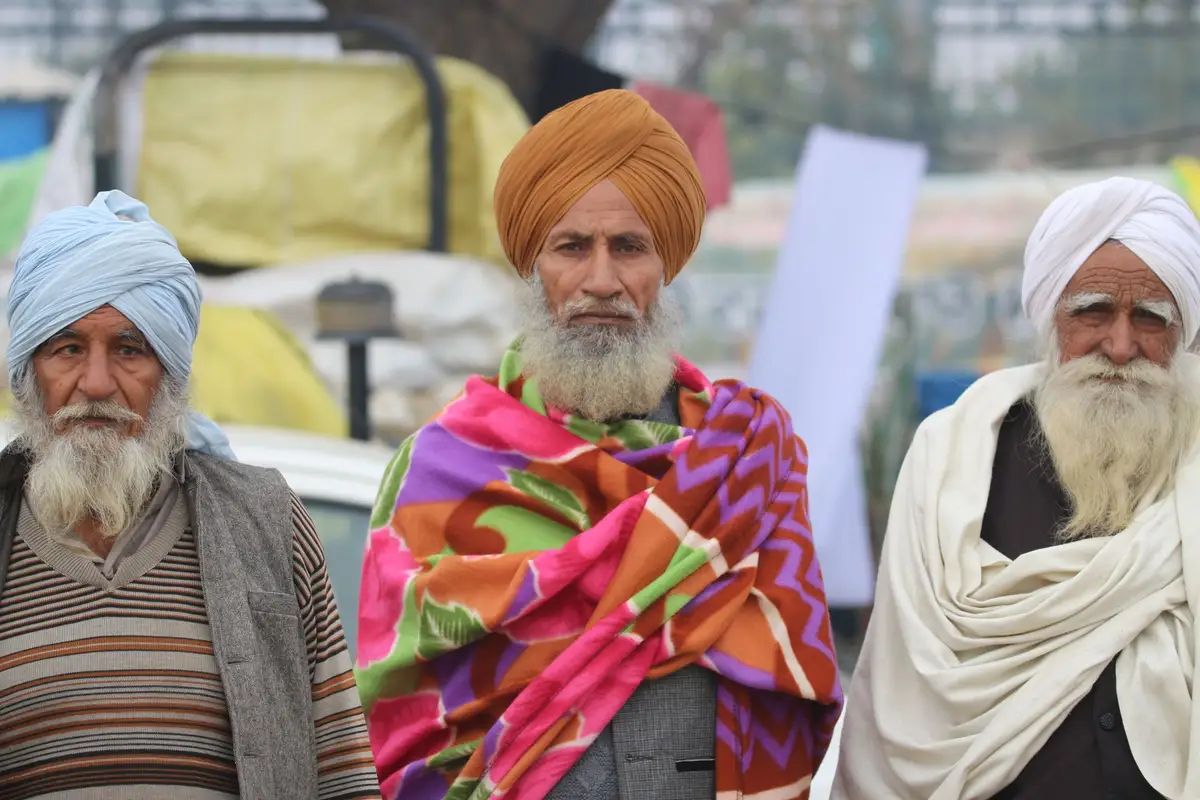
The lohi: Punjab’s everyday shawl
The large plain wool wrap older men in Punjab wear all winter, and how it is made in Amritsar.
Shawls shipped across India in 3–5 days · Free monogram embroidery on stoles
22 Katra Jaimal Singh, near Hall Bazaar, Amritsar 143006
Mon–Sat · 10.30 am – 8.30 pm · Sun 12 – 6 pm
Why a few small balls appear in the first winter, and what to do about them.
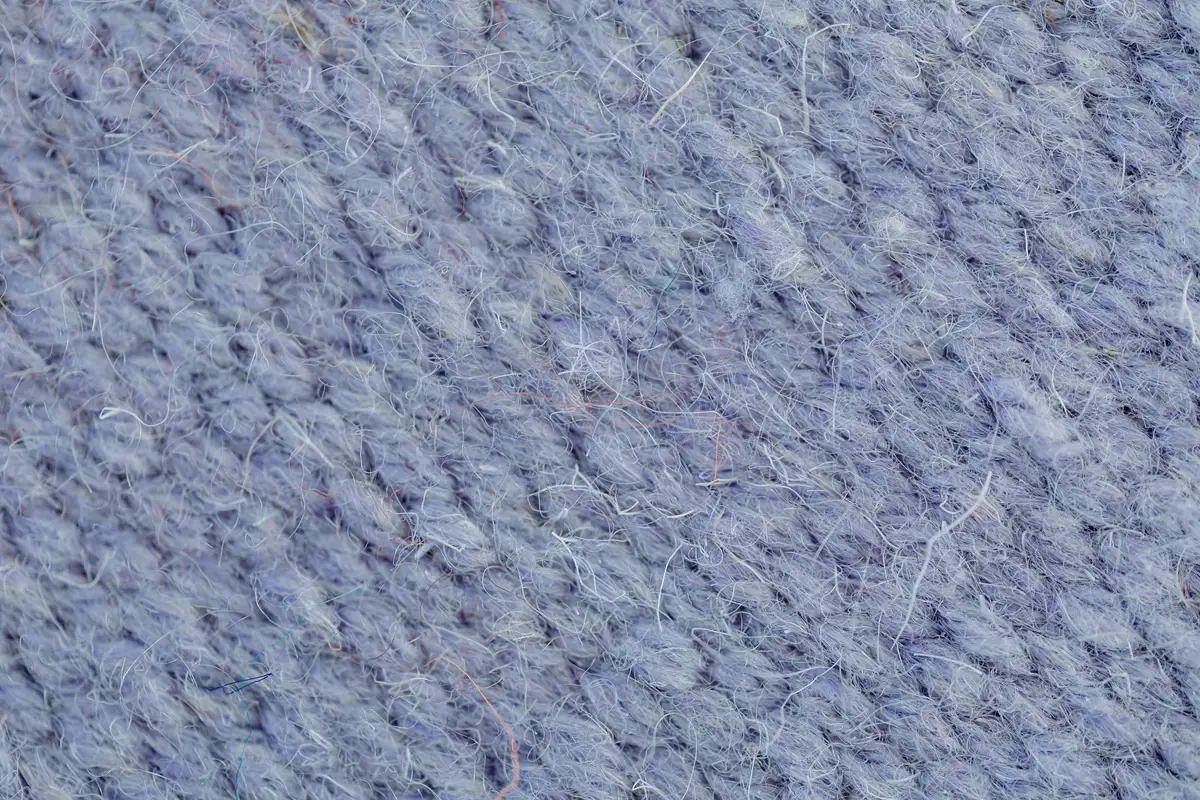
Almost every winter someone brings back a pashmina worried that small fuzzy balls have appeared where the shawl rubs against a handbag strap or a coat collar. This is called pilling, and on hand-woven pashmina it is normal, especially in the first season.
Hand-spun yarn has a few short fibres that work loose with friction. They tangle into small balls on the surface. Once those loose fibres have come away, pilling usually slows and then stops. A shawl that pills a little in the first winter often looks smoother in the second.
Do not pull the balls off with your fingers, which drags out more fibre. Lay the shawl flat and lift them gently with a fine comb, or snip them with small scissors. A soft clothes brush, used in one direction, also helps.
To reduce pilling, avoid wearing a pashmina with a rough wool coat or a bag with a stiff strap on the same shoulder. Rest a shawl for a day between wears so the fibres recover.
Heavy pilling all over, from the first week, is a different matter. It usually means the yarn was blended with a short synthetic fibre. If that happens to one of ours, bring it back to us.
Keep reading
The large plain wool wrap older men in Punjab wear all winter, and how it is made in Amritsar.
Where to find us near Hall Bazaar, how long to allow, and what we will show you.
How the darning-stitch borders on our stoles are embroidered, and who embroiders them.