Choosing the right grind
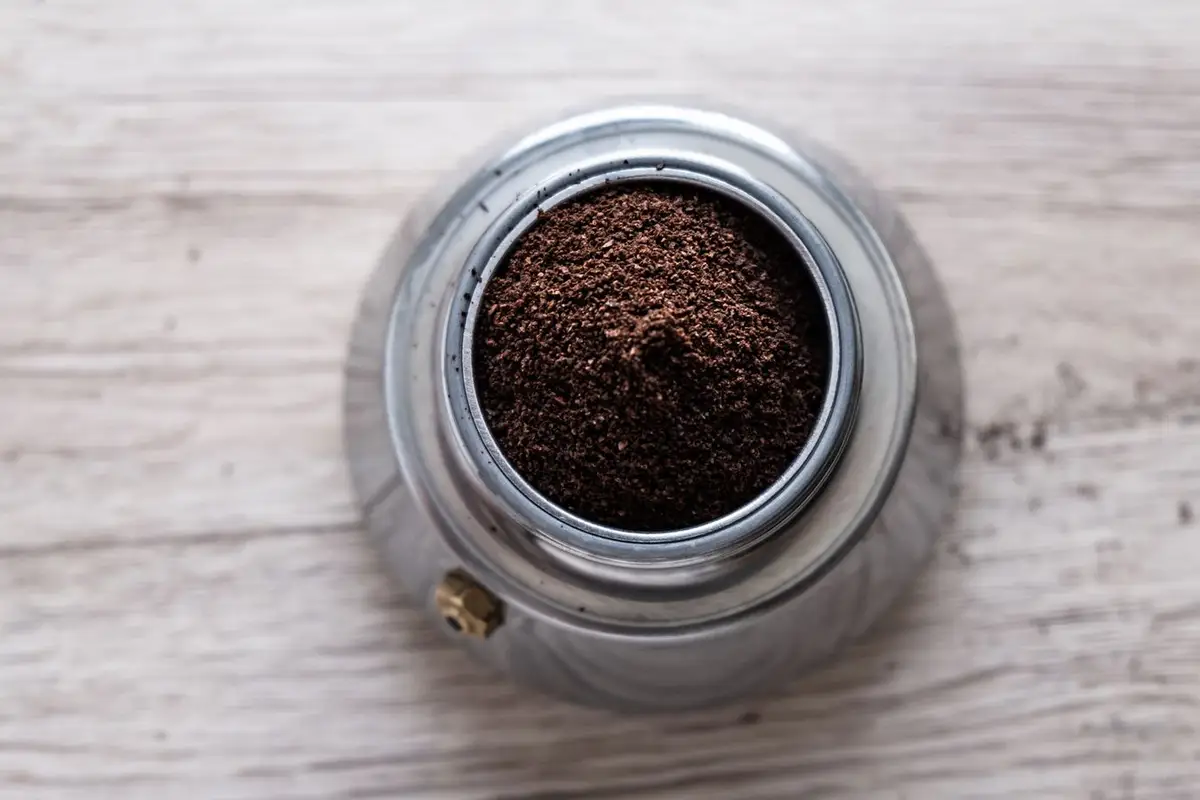
Grind size is the easiest change you can make to a cup that tastes wrong.
Roasted every Monday in Coimbatore · Free delivery within the city
9 Race Course Road, Coimbatore 641018
Café daily · 7 am – 9 pm · Roasting Mondays
Why Monsooned Malabar tastes nothing like the green coffee it started as.
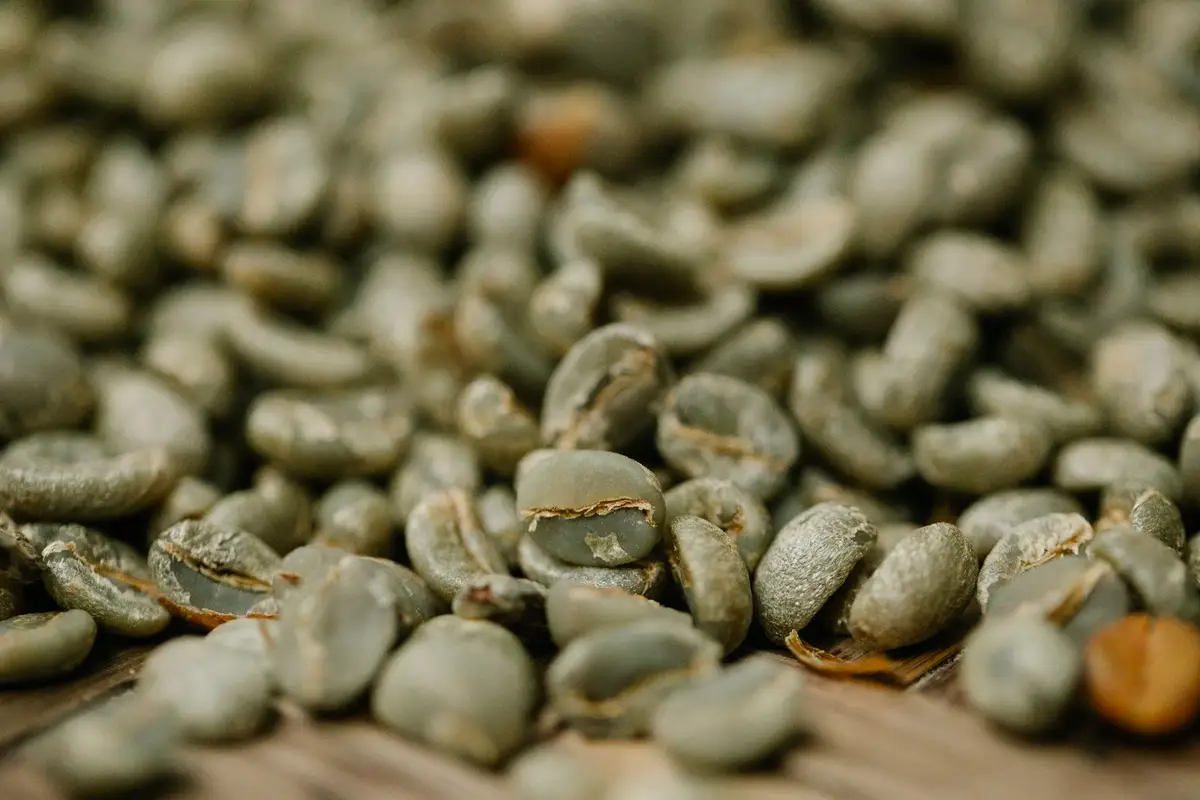
Monsooned Malabar began by accident. In the days of sailing ships, coffee from the Malabar coast spent months in wooden holds on its way to Europe. The damp sea air swelled the beans and changed their flavour, and buyers came to expect it. When steamships made the voyage faster, the taste disappeared, so growers learned to recreate it on land.
Today, dry-processed Arabica is spread in open-sided warehouses on the coast near Mangaluru and Tellicherry during the south-west monsoon, from June to September. The beans are raked and turned by hand every few days for about twelve weeks. They absorb moisture from the wind, swell to nearly twice their size and turn from green to a pale gold.
The result is a bean with very low acidity and a heavy, earthy body, with hints of spice and wood. It is not for everyone. If you like bright, fruity coffee, it may taste flat. If you like your coffee strong and smooth, and find most espresso sour, it may be exactly what you have been looking for.
We roast it dark, which suits its body, and it is excellent in a moka pot with hot milk.
Keep reading
Grind size is the easiest change you can make to a cup that tastes wrong.
From the 6 am warm-up to the last bag sealed: what happens on the day your coffee is roasted.
What each part of a South Indian filter blend does, and why the percentages on the bag matter.