How to choose wheat for rotis
Sharbati, khapli, lokwan and durum: what each grain does in a roti.
Ground to order every morning · Indore delivery the same evening · Flours shipped across India
22 Jawahar Marg, near Sanyogitaganj Mandi, Indore 452007
Mon–Sat · 7 am – 8 pm · Sun 7 am – 12 noon
A steel drum, a dry spoon and a cool corner: simple habits for whole flour.
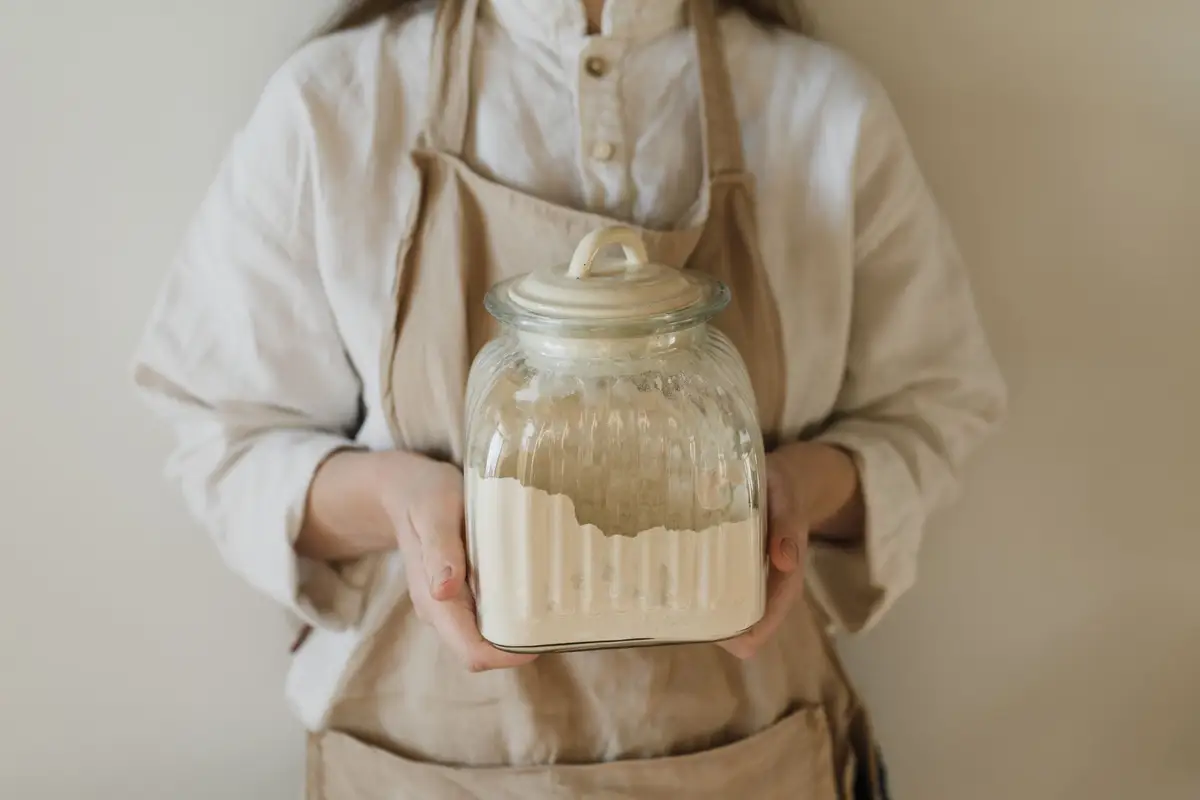
Whole flour is alive in a way that sifted flour is not. The germ contains oil, and oil slowly turns stale once the grain is broken. That is why stone-ground atta tastes sweeter in the first weeks and why it needs a little care at home.
Empty the bag into a clean, dry steel or glass container with a tight lid. Paper bags let in moisture and smells. Keep the container away from the stove and the sink, in the coolest corner of the kitchen. In an Indore summer that is often the lowest shelf of a cupboard.
Use a dry steel katori to take flour out. A wet hand or a damp spoon brings in moisture, and flour that gets damp will form lumps and can grow mould. If you knead dough for two meals at once, take out both portions together rather than opening the drum twice.
Wheat atta is best within six weeks of the milling date, millet flours within three. If you buy for a large family, order every three or four weeks instead of buying a big bag once. If the flour ever smells bitter or musty, it has gone stale, and it is better used for nothing than for rotis.
Keep reading
Sharbati, khapli, lokwan and durum: what each grain does in a roti.
Bajra, makka and the raab season: what Indore kitchens grind from November.
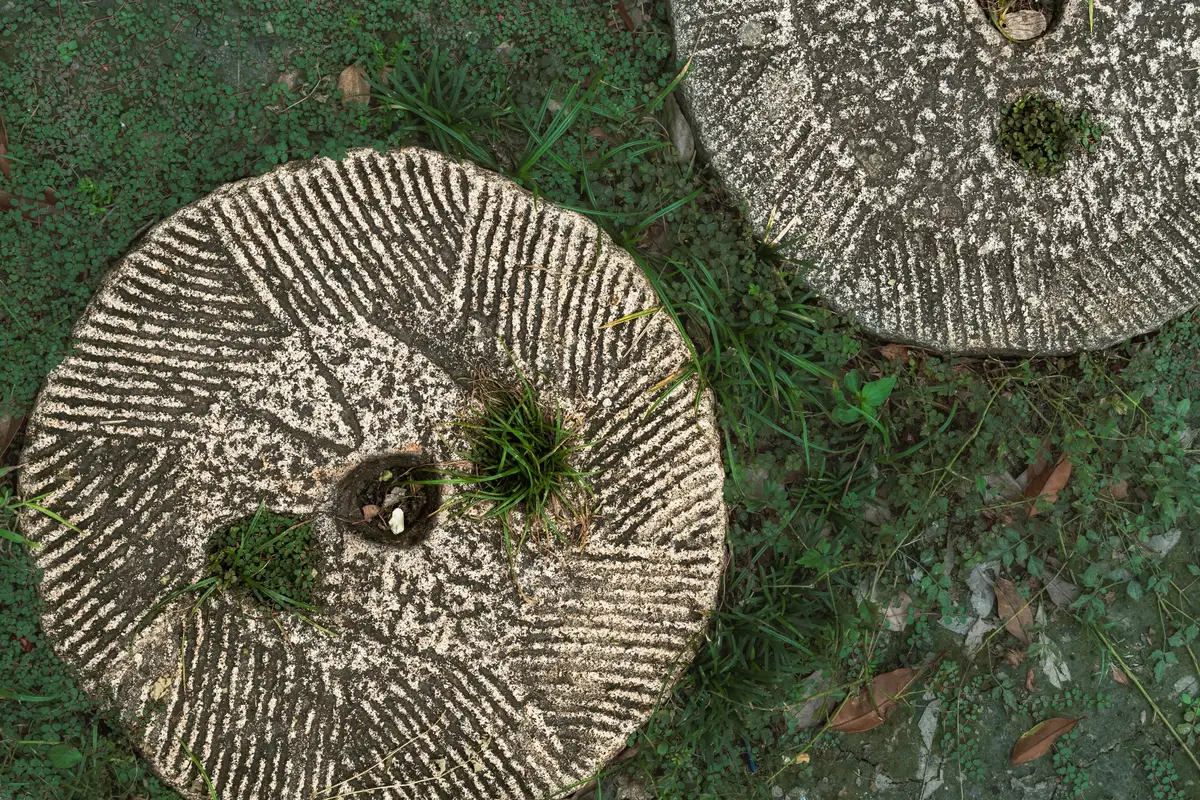
Every few months the granite stones are lifted and re-cut by hand. Here is why.