Winter flours of Malwa
Bajra, makka and the raab season: what Indore kitchens grind from November.
Ground to order every morning · Indore delivery the same evening · Flours shipped across India
22 Jawahar Marg, near Sanyogitaganj Mandi, Indore 452007
Mon–Sat · 7 am – 8 pm · Sun 7 am – 12 noon
Sharbati, khapli, lokwan and durum: what each grain does in a roti.
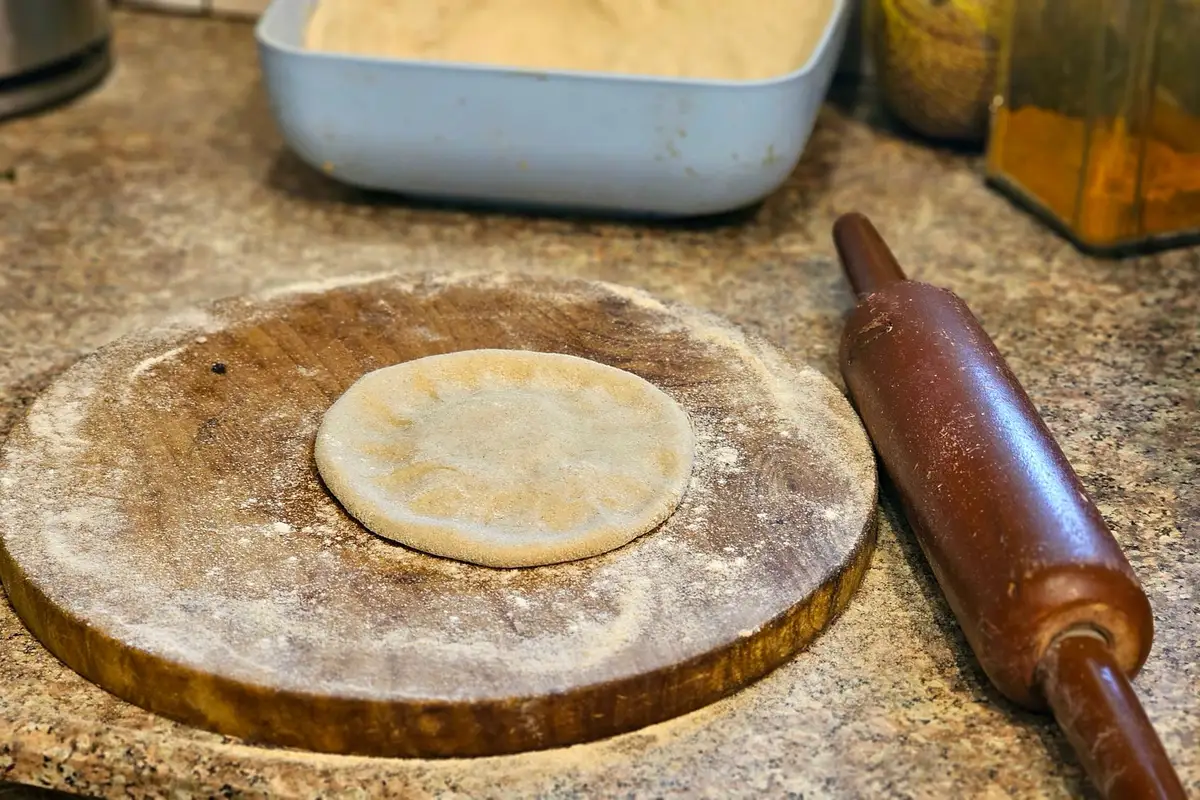
Families in Malwa have strong opinions about wheat, and they are usually right. Different grains make very different rotis, and the right one depends on how you cook and who eats them.
Sharbati is the wheat of Sehore and Vidisha. The grain is golden and slightly sweet, and its flour makes rotis that puff well and stay soft for hours. It is what we grind most, and what we suggest for tiffins.
Lokwan is the common wheat of Maharashtra and western Madhya Pradesh. It is cheaper and makes a firmer, slightly chewier roti. Some families prefer it for parathas, as it holds a filling well. We grind it on request when a customer brings their own grain.
Khapli, or emmer, is an older wheat with a long husk. The dough is less stretchy, so knead it softer, rest it longer and roll it a little thicker. The rotis are darker and nutty. Durum, or bansi, is hard and is better as rava for upma and halwa than as atta.
If you are unsure, buy a 2 kg bag of two kinds and make rotis from both on the same evening. Most families know within one meal which they like.
Keep reading
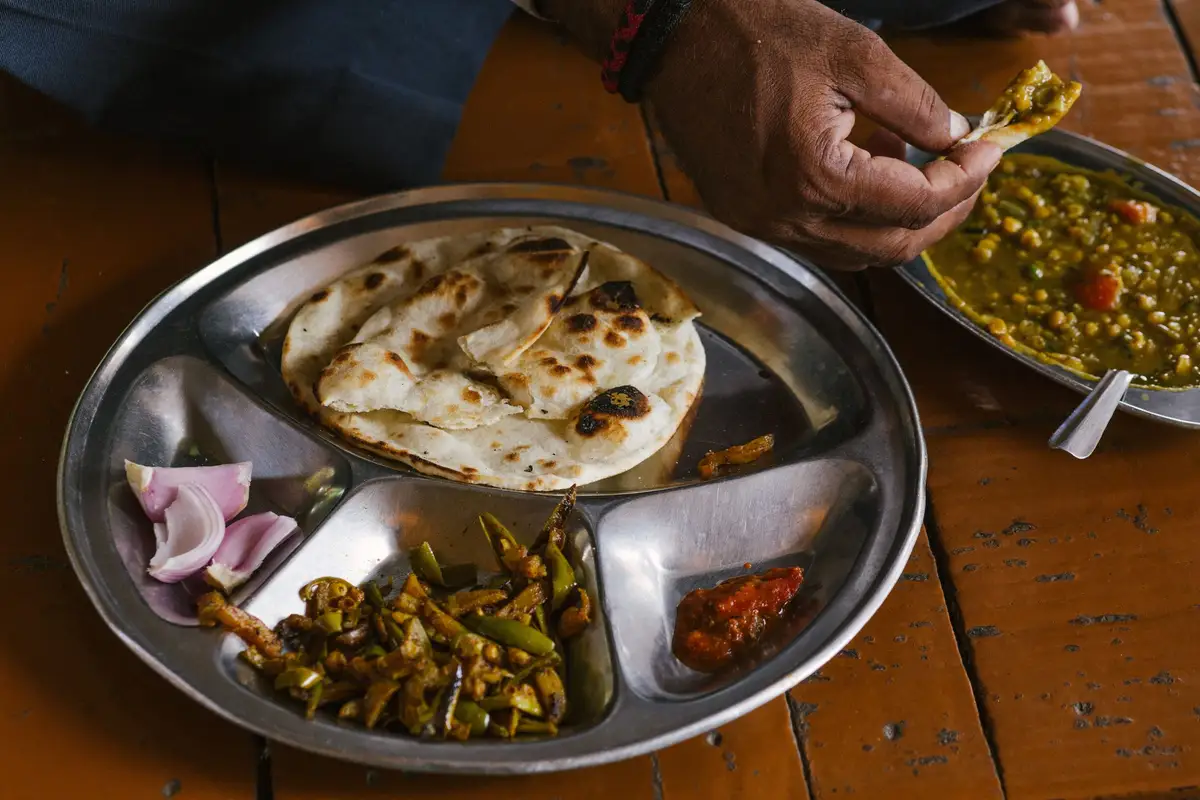
Bajra, makka and the raab season: what Indore kitchens grind from November.
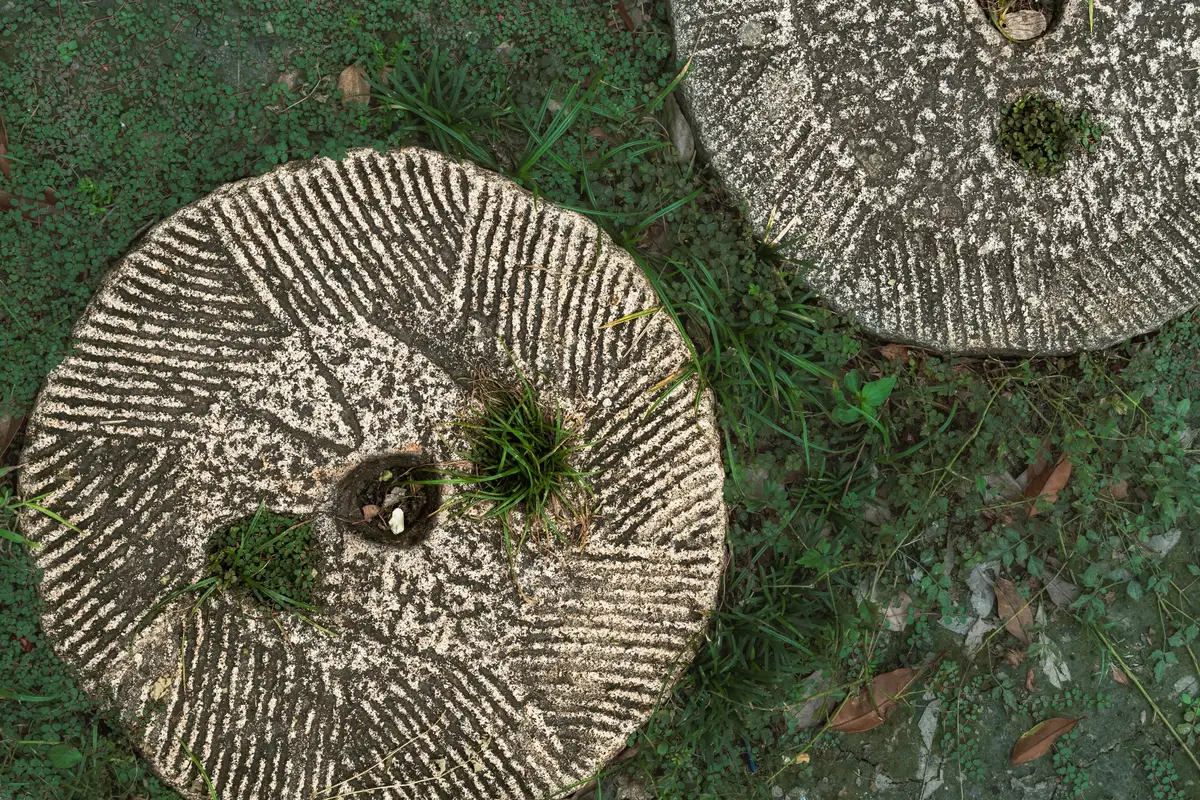
Every few months the granite stones are lifted and re-cut by hand. Here is why.
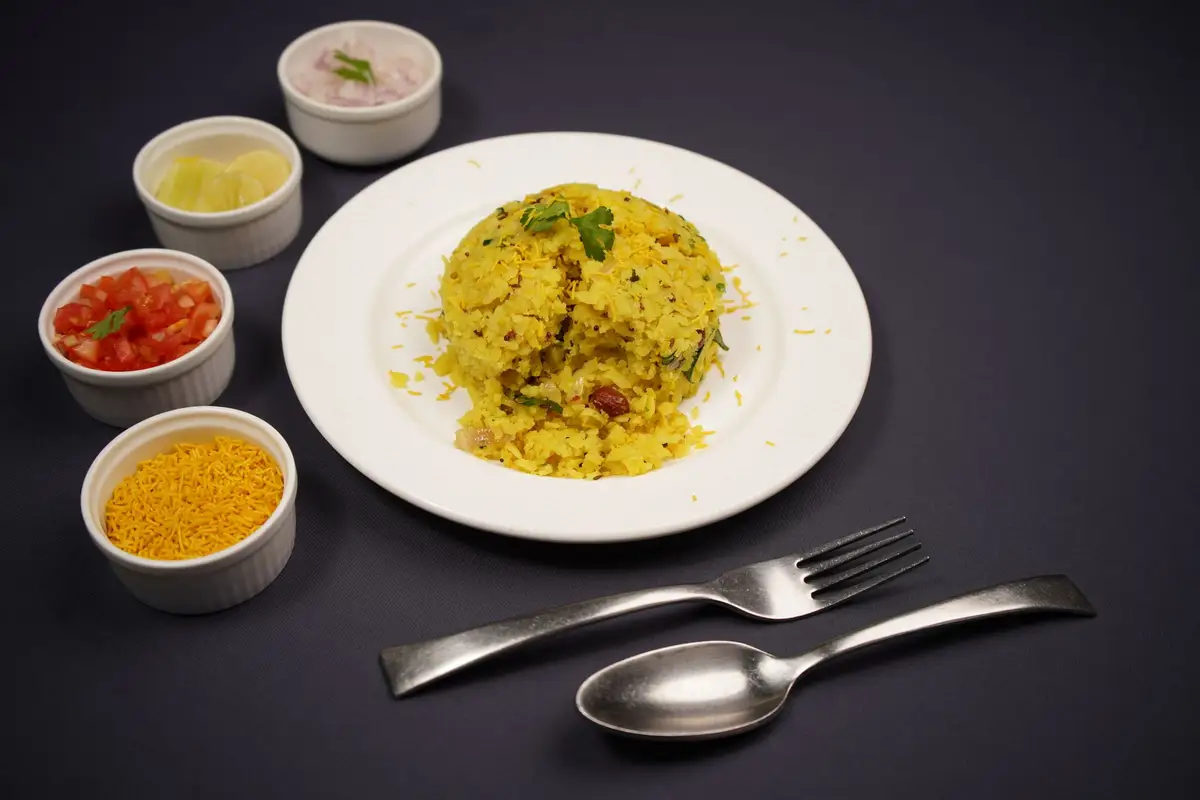
Why the city’s breakfast depends on a good bag of chana flour.