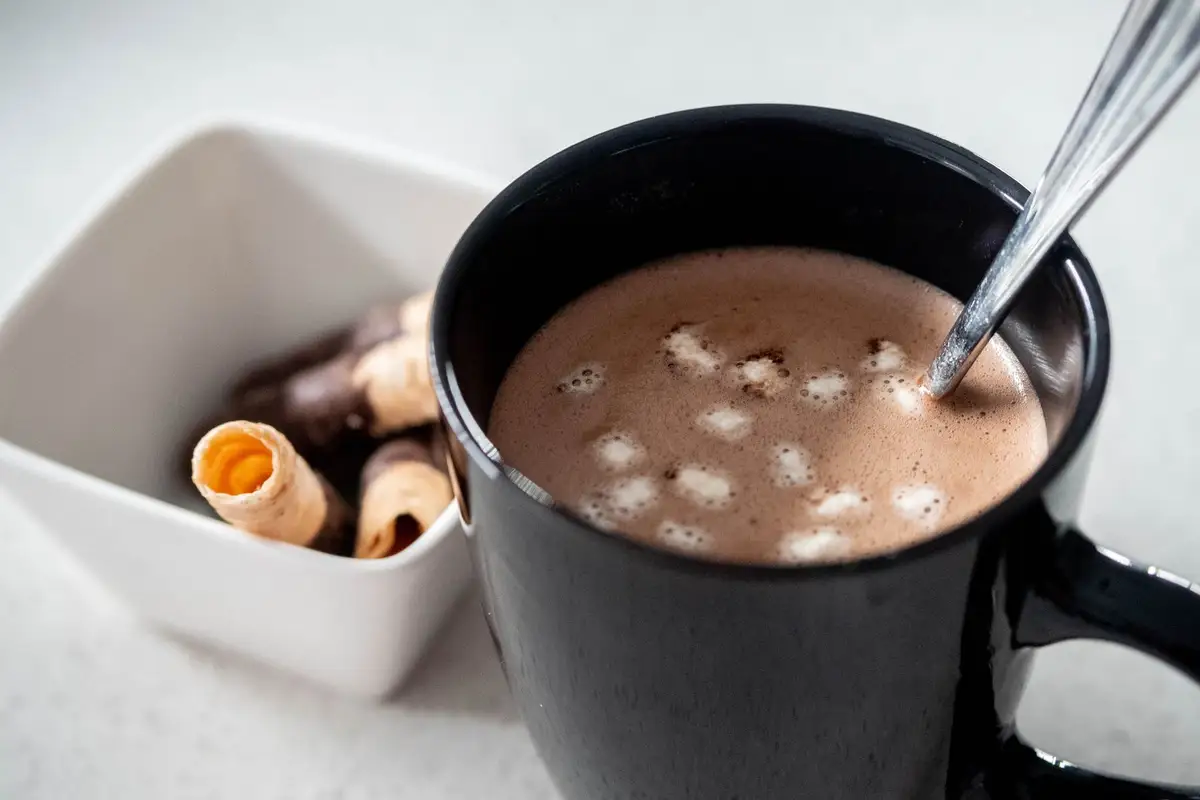
Making drinking chocolate at home
Milk, shavings and a whisk: the proportions and temperatures for a thick cup, and a cold version for summer.
Shipped in insulated boxes across India · Bonbons made fresh every Thursday
24 Rue Romain Rolland, White Town, Puducherry 605001
Tue–Sun · 11 am – 8 pm · closed Monday
Fair prices to farmers, a small batch, stone grinding and hand wrapping: the cost of a bar, step by step.
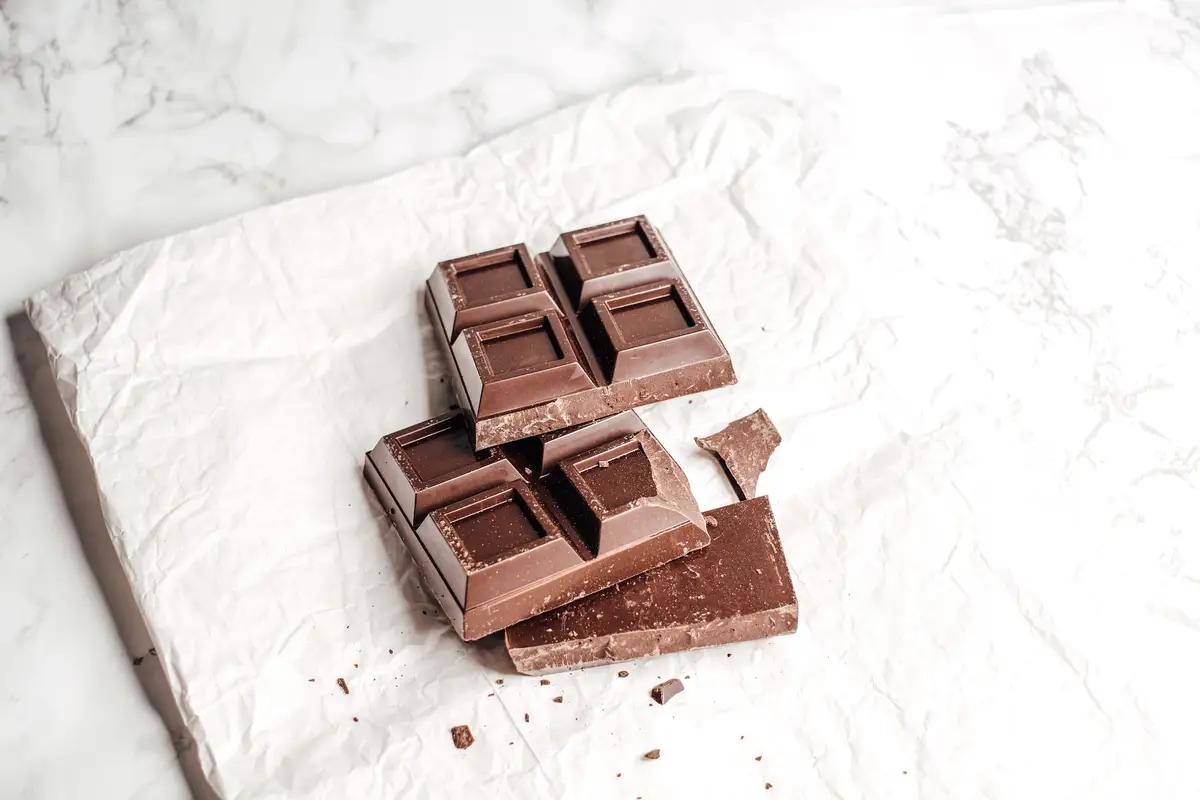
A 60 g bar of our Idukki 72% costs ₹320. A supermarket bar of similar size might cost a third of that. Customers sometimes ask why, and we think they deserve a plain answer.
Start with the beans. We pay Joseph and our West Godavari farmers about three times the price that bulk buyers pay for unfermented cacao, because their beans are carefully fermented and dried, and because that work takes time. With shipping to Puducherry and the beans we discard while sorting, cacao is about ₹70 of each bar.
Then comes the making. Our three stone grinders each run for about three days on a batch of 20 kg, and the room must stay cool, which in Puducherry means air conditioning for much of the year. Tempering, moulding, wrapping and labelling are done by hand by four people. Labour, power and rent together add about ₹110 to each bar. Cane sugar, packaging and the compostable inner wrap add roughly ₹30.
After that come GST, shop costs and the margin that keeps the workshop open, which together make up the rest. Large factories make chocolate in tonnes, with cheaper beans and added vegetable fat, emulsifiers and flavourings, so their cost per bar is much lower. Ours has two ingredients and is made in batches you could carry in two arms. We would rather you ate one good square slowly than half a cheaper bar quickly.
Keep reading
Milk, shavings and a whisk: the proportions and temperatures for a thick cup, and a cold version for summer.
Harvest, ferment, dry, roast, crack, grind, temper and wrap: how a bar is made.
Look, snap, smell, melt: the four steps to notice what is really in a bar.