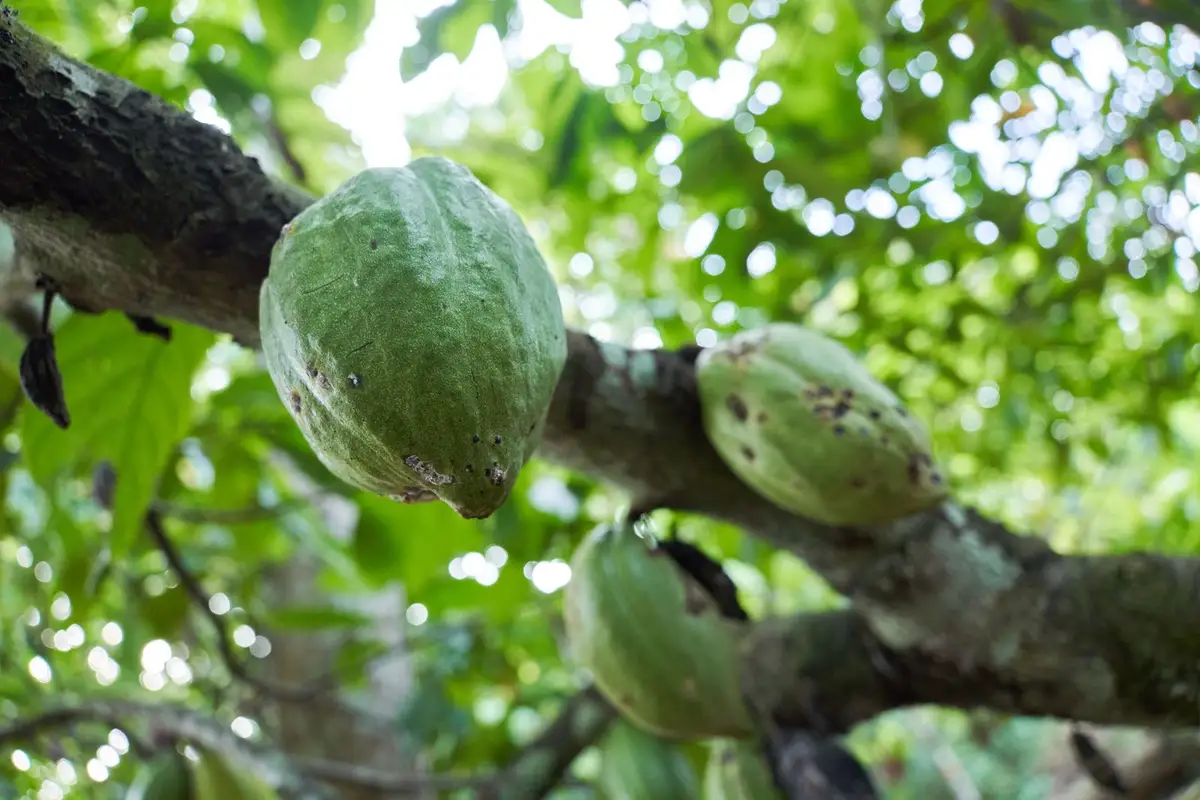
Why Indian cacao is worth knowing
Kerala, Karnataka and Andhra grow cacao. Here is what makes it different.
Shipped in insulated boxes across India · Bonbons made fresh every Thursday
24 Rue Romain Rolland, White Town, Puducherry 605001
Tue–Sun · 11 am – 8 pm · closed Monday
Look, snap, smell, melt: the four steps to notice what is really in a bar.
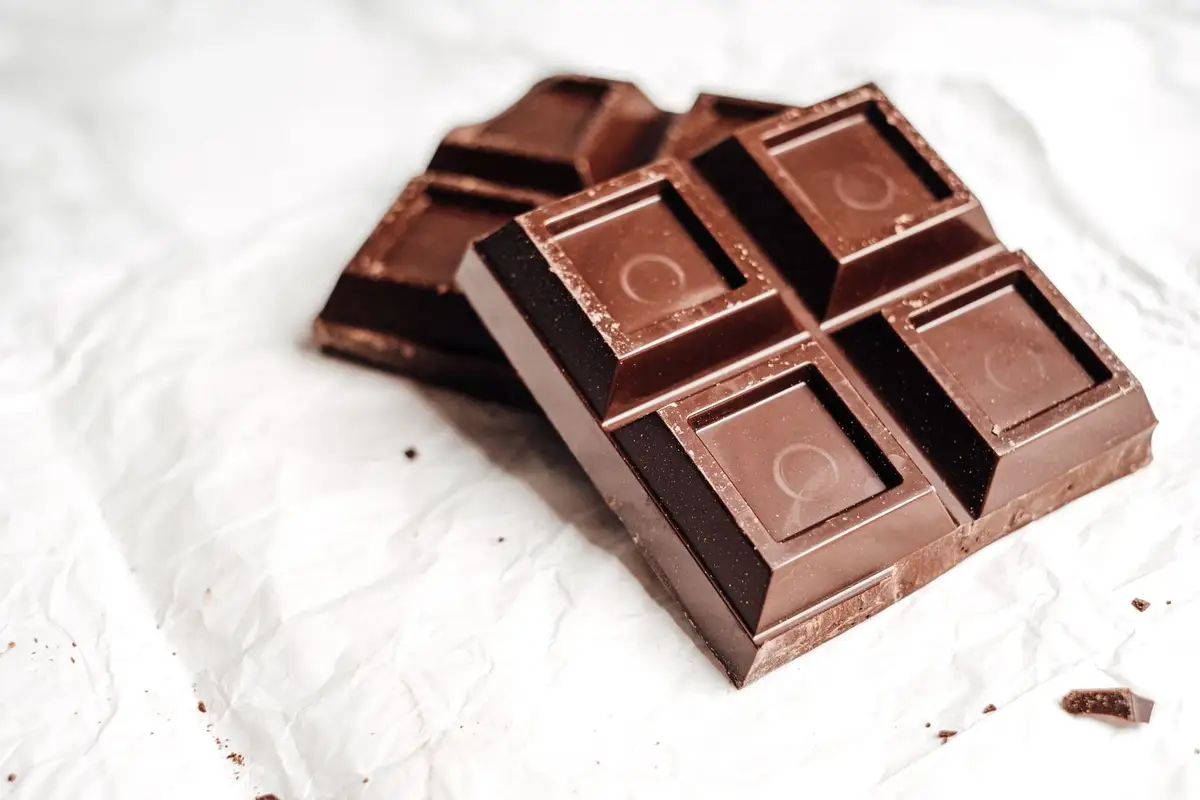
Tasting chocolate slowly tells you far more than eating it quickly, and it takes only a minute.
Look first. Good dark chocolate is glossy and an even colour. White streaks, called bloom, mean it has been warmed or chilled; it is still safe, but the texture suffers.
Snap a piece. Well-tempered dark chocolate breaks with a clean, sharp crack. Milk chocolate is softer and bends a little.
Smell it. Rub the piece between your fingers to warm it, then breathe in. You might notice fruit, roasted nuts, coffee, or something earthy.
Then let it melt. Place a small piece on your tongue and do not chew. As it melts, the flavours change: the first taste is often sweet or fruity, the middle deeper, and the finish can last a minute or more.
Try two of our bars side by side, Idukki and West Godavari, and you will notice how different two Indian cacaos can be. Drink water between them, not coffee.
Keep reading
Kerala, Karnataka and Andhra grow cacao. Here is what makes it different.
Grey streaks or a dusty coat do not mean a bar has gone bad. Here is what causes bloom and how to avoid it.
What 55%, 72% and 85% really tell you, and why two bars with the same number can taste very different.