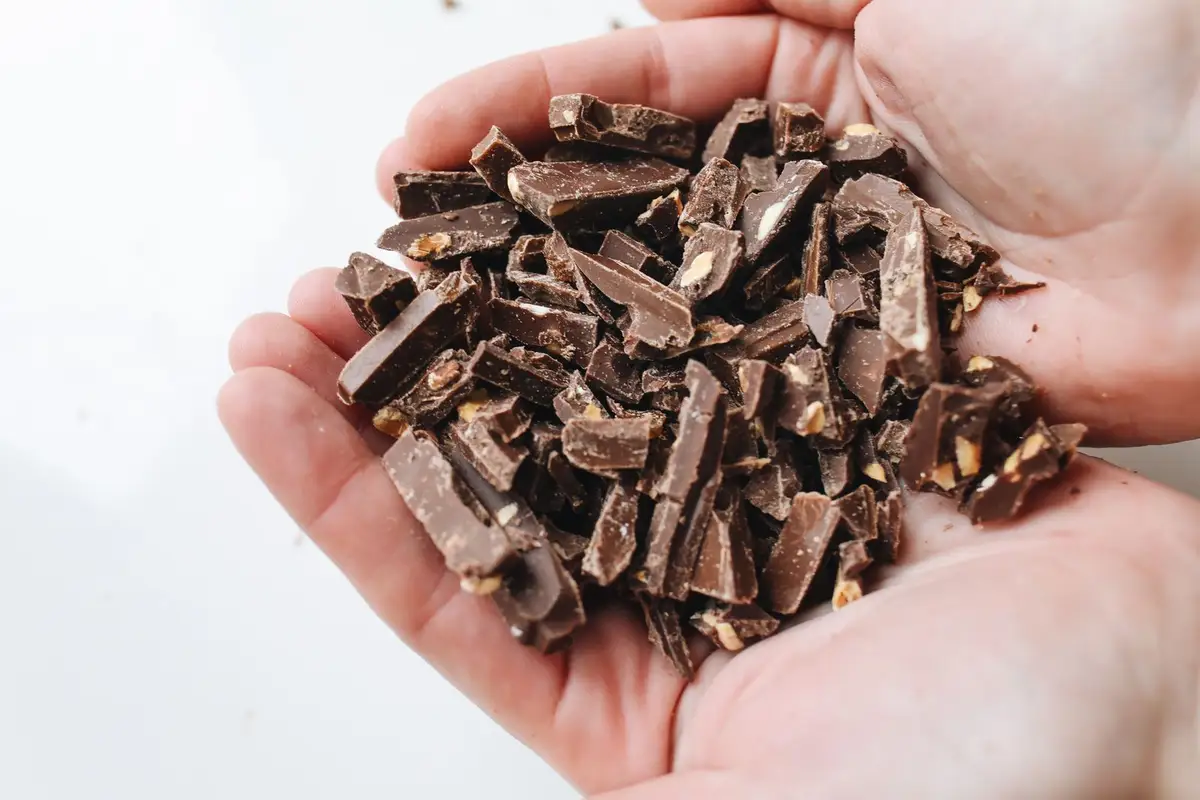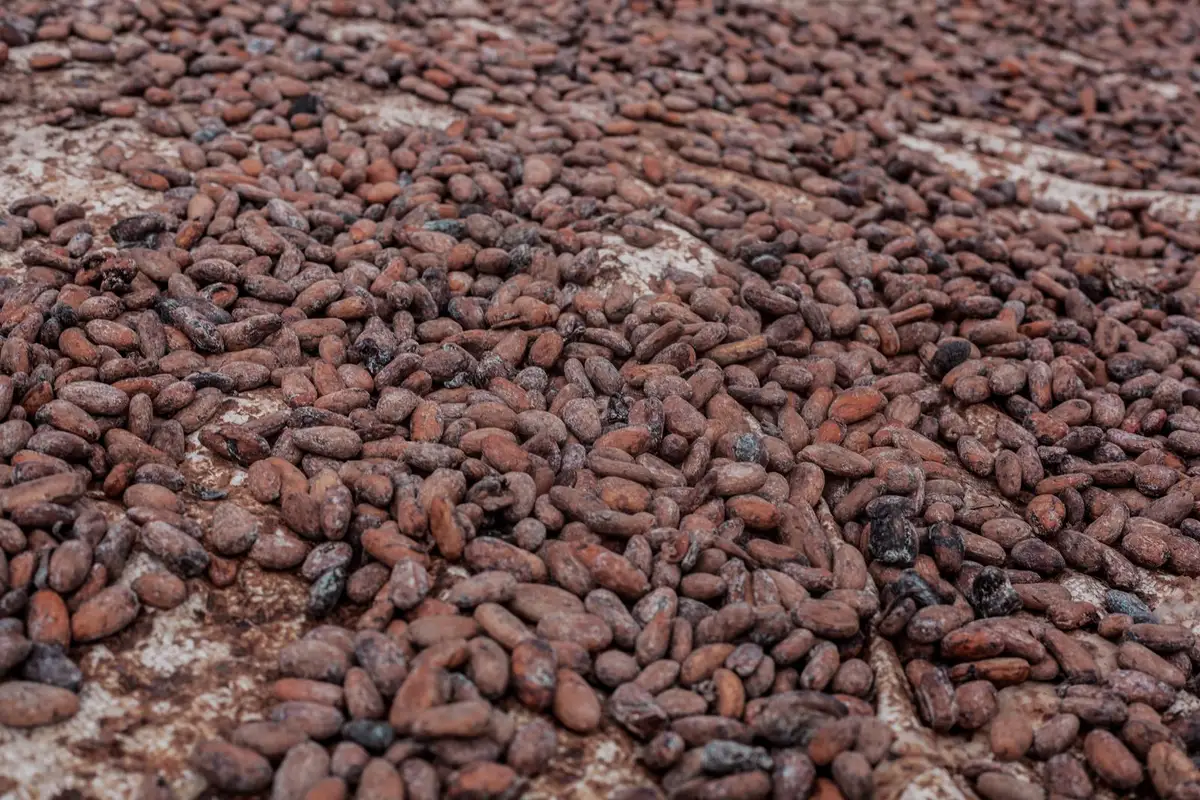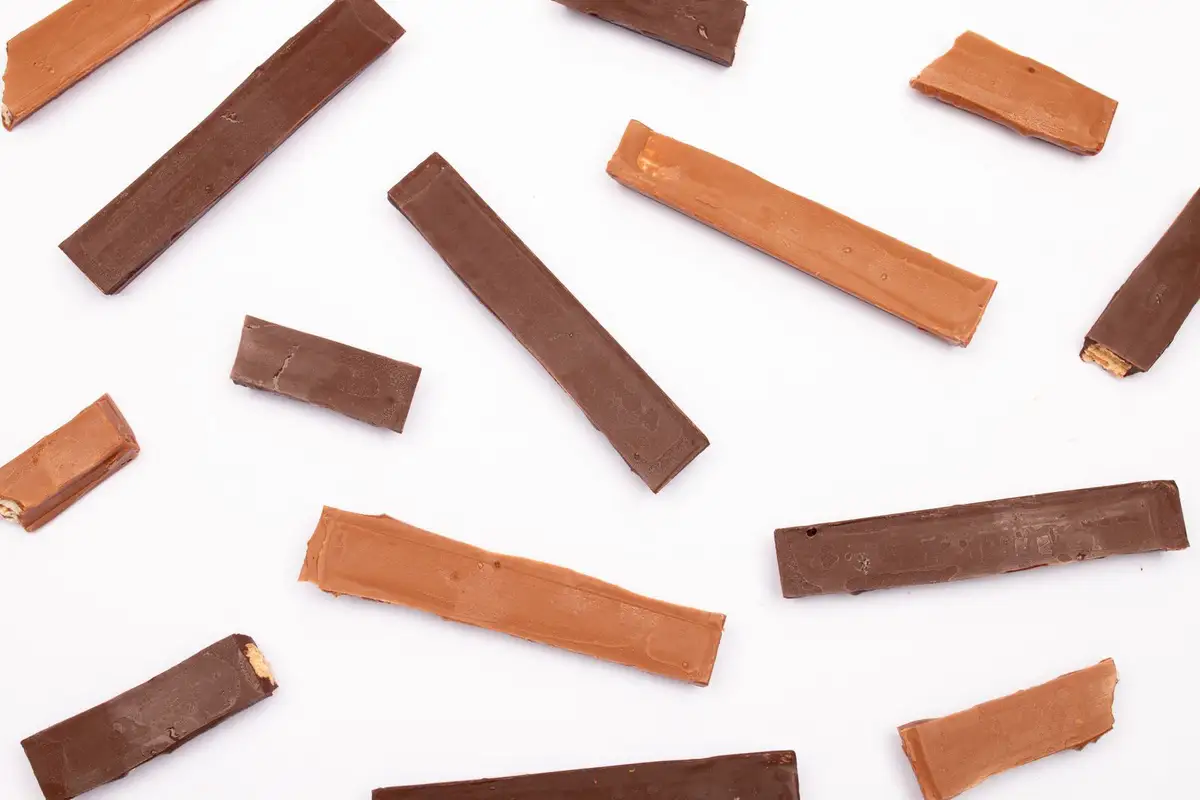
That white film on your chocolate: bloom explained
Grey streaks or a dusty coat do not mean a bar has gone bad. Here is what causes bloom and how to avoid it.
Shipped in insulated boxes across India · Bonbons made fresh every Thursday
24 Rue Romain Rolland, White Town, Puducherry 605001
Tue–Sun · 11 am – 8 pm · closed Monday
Kerala, Karnataka and Andhra grow cacao. Here is what makes it different.
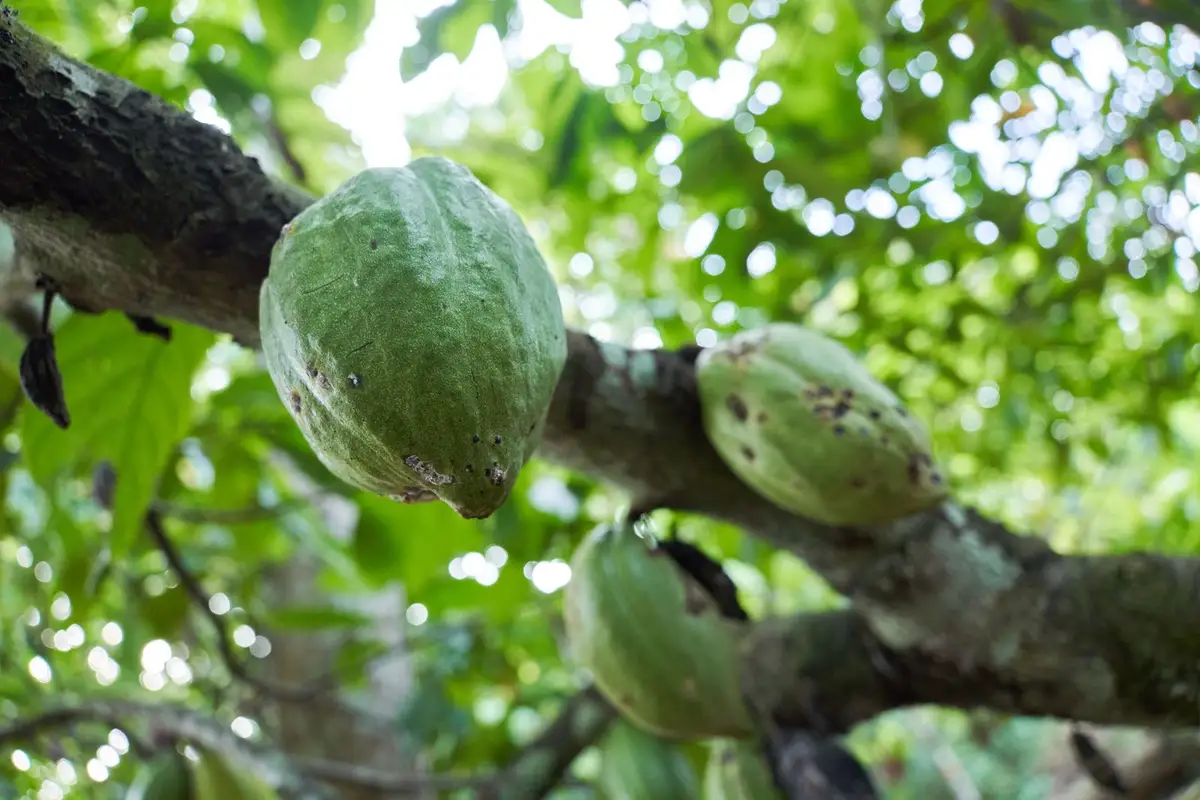
Most people are surprised to learn that India grows cacao. It has been planted under coconut and areca palms in Kerala, Karnataka, Andhra Pradesh and Tamil Nadu since the 1970s, mostly for large confectionery companies.
For a long time it was sold as a bulk crop, often poorly fermented, and it did not have a good reputation. That is changing. A handful of farms now ferment carefully on site, and the beans can be excellent.
Idukki cacao, grown in the hills under shade trees, tends to taste of red fruit and gentle acidity. Beans from West Godavari, grown in the plains among coconut palms, are rounder and nuttier, with notes of caramel.
We pay these farmers well above the market price for well-fermented beans, visit them each harvest, and print the farm on every wrapper. Buying Indian cacao means a shorter journey for the beans, and a fairer share for the people who grow them.
Keep reading
Grey streaks or a dusty coat do not mean a bar has gone bad. Here is what causes bloom and how to avoid it.
What 55%, 72% and 85% really tell you, and why two bars with the same number can taste very different.
Banana leaves, wooden boxes and a farmer who turns the beans by hand. The step that decides flavour.