How to choose your first good knife
Length, shape and steel: what really matters, and what can wait until the second knife.
Every knife forged and sharpened by hand in Ranchi · Free re-sharpening for the first year
Plot 14, Tupudana Industrial Area, Hatia, Ranchi 834003
Tue–Sun · 10 am – 6 pm · Forge open Sat 8–11 am
Wipe, dry, oil: the three habits that keep carbon steel sharp and free of rust for decades.
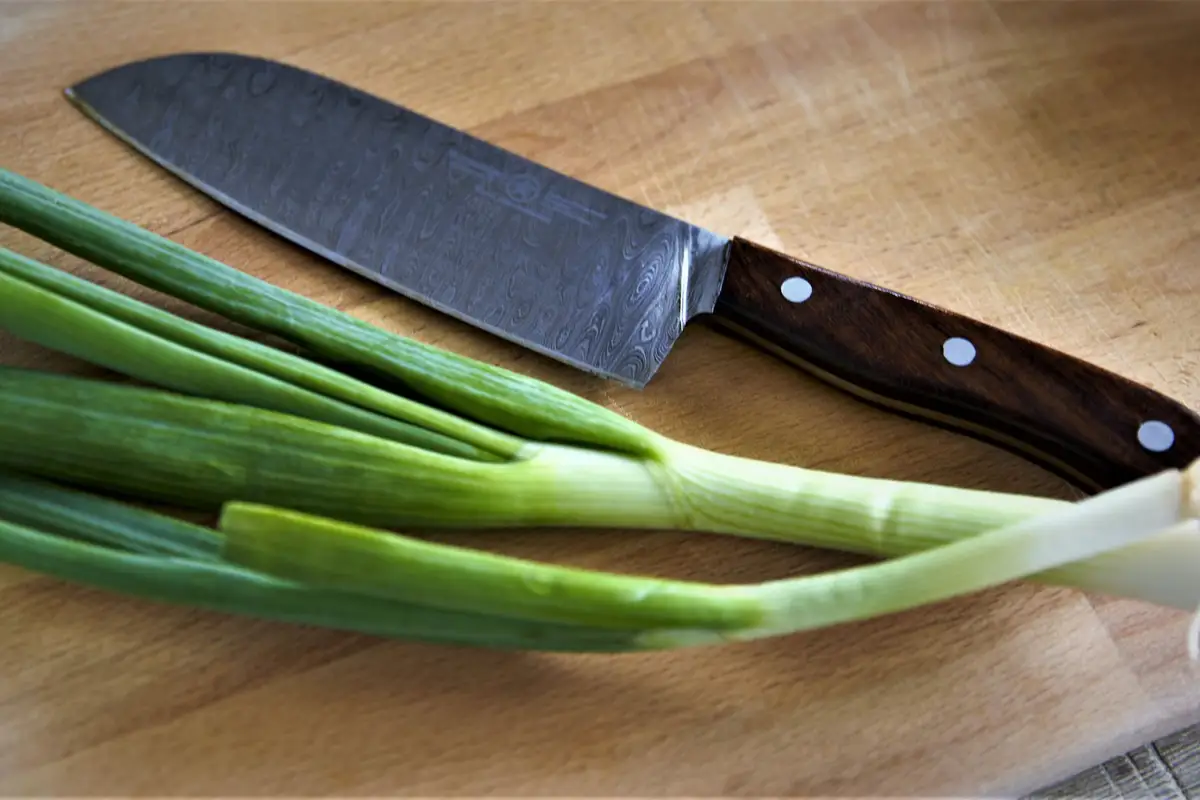
Carbon steel takes a finer edge than stainless and is easier to sharpen, but it asks for a little care. The rule is short: never leave it wet.
After cutting, rinse the blade in warm water, wipe it with a soft cloth, and dry it fully, including the spine and the join with the handle. Do not leave it in the sink, in a wet dish rack or soaking with the pots. Ten minutes of standing water can leave orange rust spots, especially in a Ranchi monsoon.
You will notice the blade turning grey, blue or brown in patches. This is patina, a thin oxide layer that forms when acid in onions, tomatoes and lime meets the steel. It is not rust, and it actually protects the blade. Leave it alone.
If rust does appear, rub it off with a cork dipped in a little wood ash or baking soda, then wash and dry. Once a month, or before you go away, wipe the blade with a drop of food-safe oil such as coconut or mustard oil.
The sal wood handle likes oil too. Rub it with a little coconut oil every few months so it does not dry out and crack. Treated this way, a carbon knife will outlast the person who bought it.
Keep reading
Length, shape and steel: what really matters, and what can wait until the second knife.
Soak, angle, raise a burr, polish: the routine we show every visitor to the forge.
Steel, coal, hours and wood: an honest costing of our 210 mm gyuto.