What goes into a ₹6,800 chef’s knife
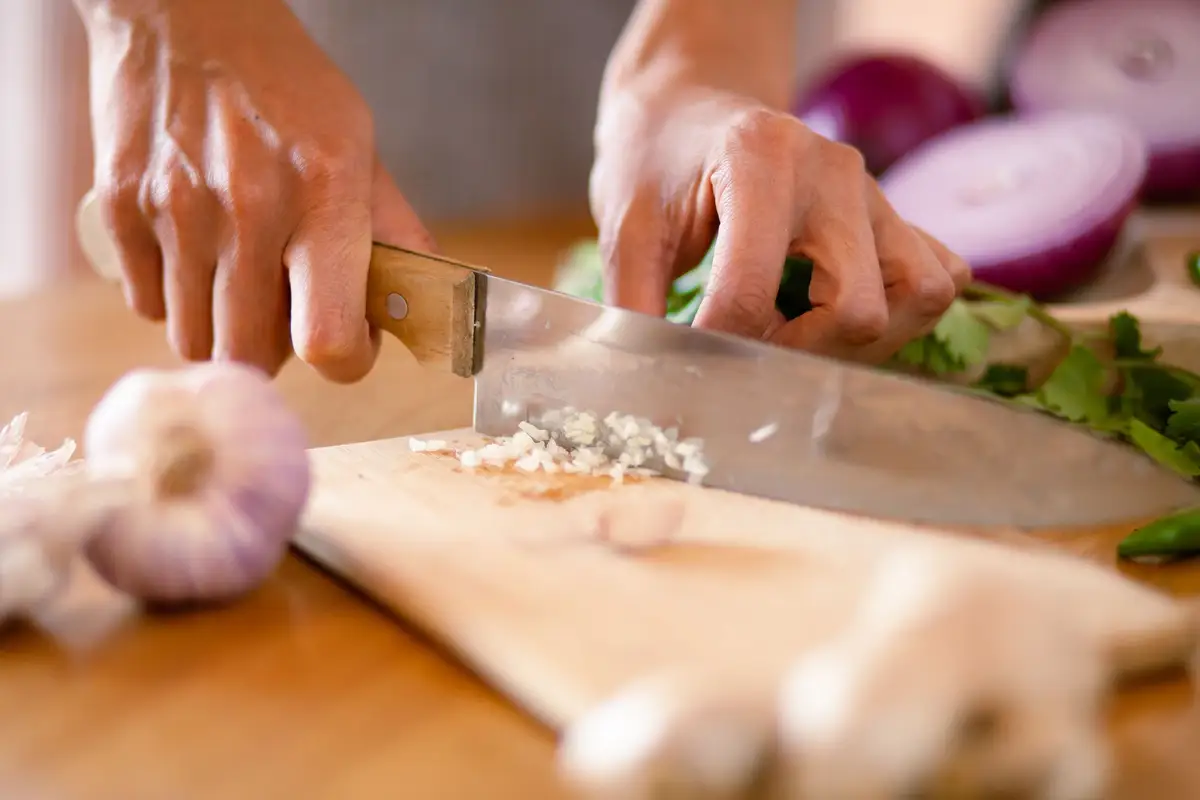
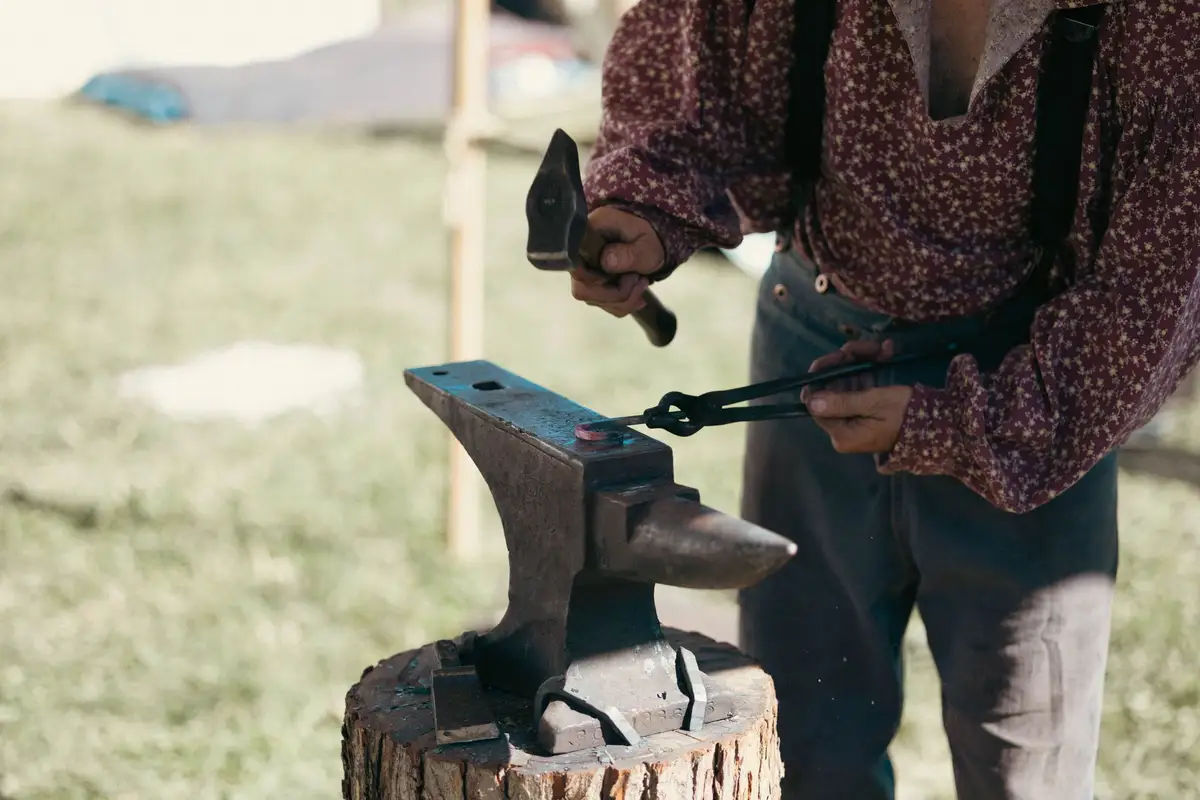
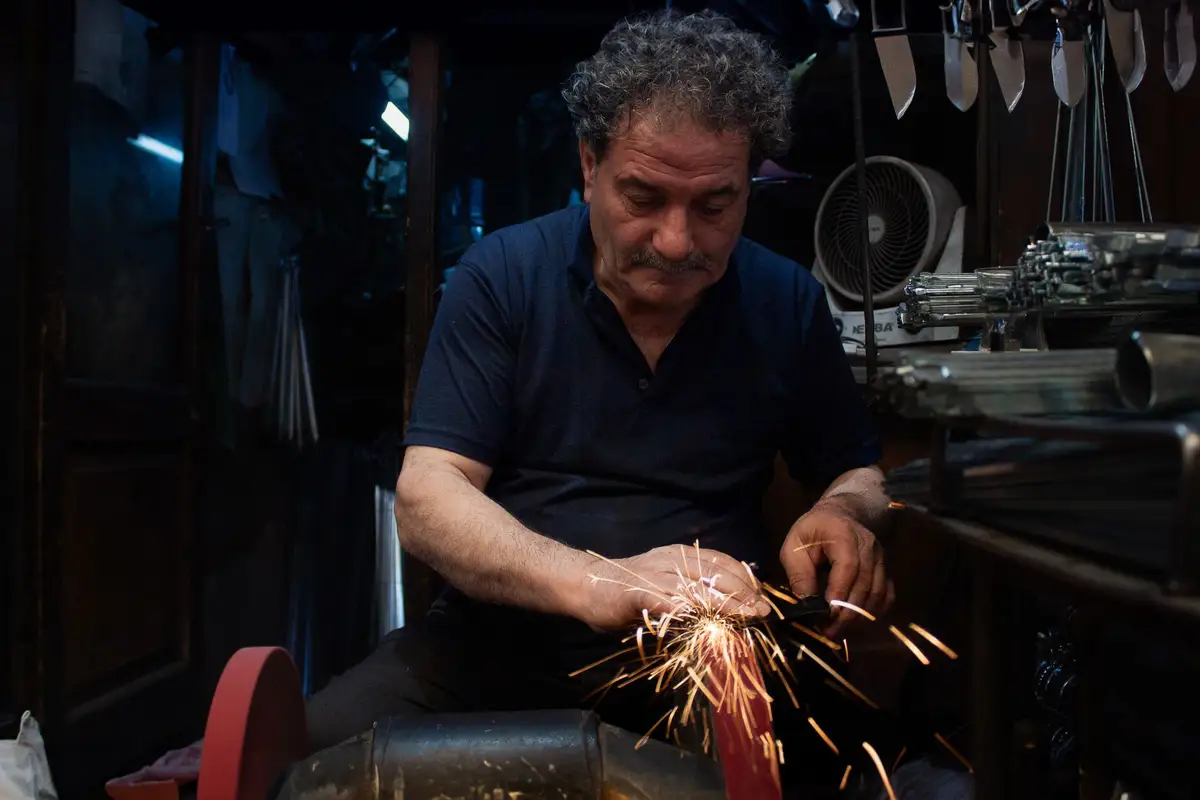
Steel, coal, hours and wood: an honest costing of our 210 mm gyuto.
Every knife forged and sharpened by hand in Ranchi · Free re-sharpening for the first year
Plot 14, Tupudana Industrial Area, Hatia, Ranchi 834003
Tue–Sun · 10 am – 6 pm · Forge open Sat 8–11 am
Soak, angle, raise a burr, polish: the routine we show every visitor to the forge.
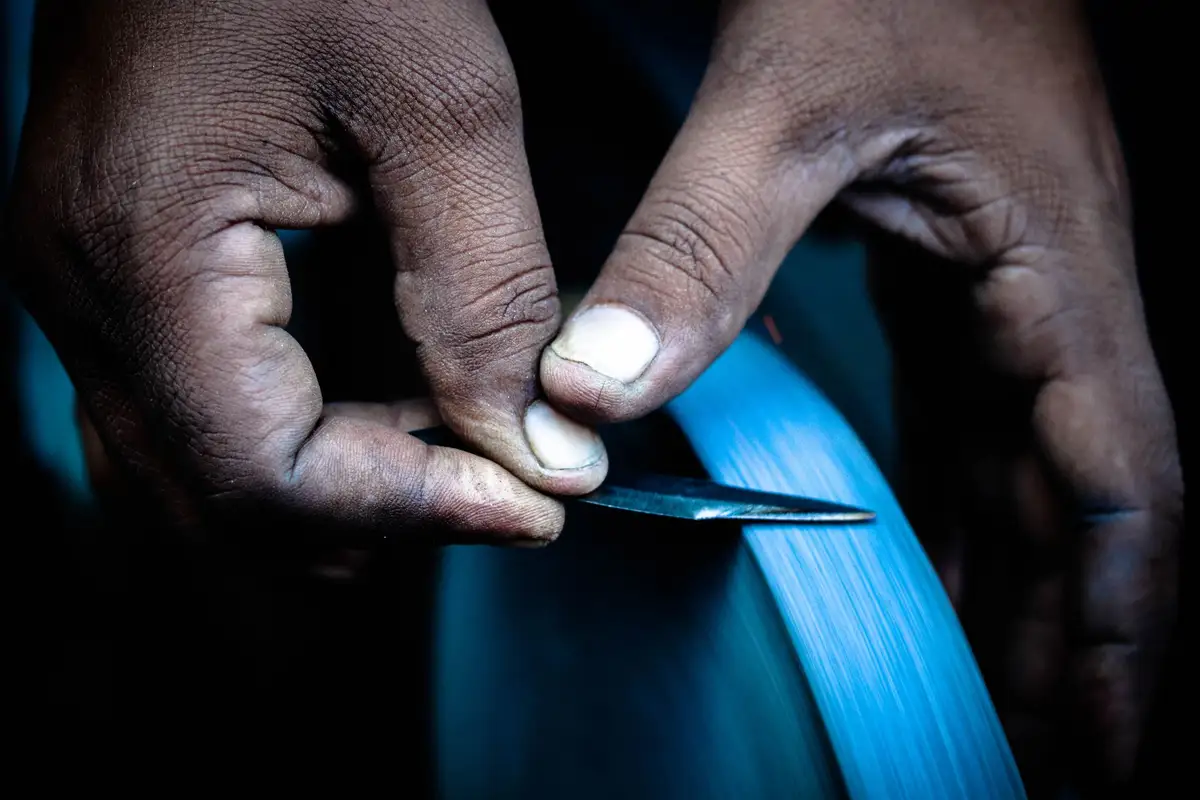
A whetstone is not difficult. It just needs a steady angle and a little patience.
Soak the coarse 1000-grit side in water for ten minutes until bubbles stop rising. Set the stone on a damp cloth or its rubber base so it does not slide. Hold the knife with the edge facing away from you at about 15 degrees: roughly the height of two stacked one-rupee coins under the spine.
Push the blade across the stone as if slicing a thin layer off it, from heel to tip, ten times. Keep a few fingers on the flat of the blade to hold the angle. Now feel the other side of the edge with your thumb, gently, across the edge, never along it. You are feeling for a burr: a tiny rough lip of steel. When you can feel it along the whole length, turn the knife over and repeat on the other side.
Flip the stone to the 6000-grit side, splash it with water, and do five light strokes a side, then alternate single strokes. The burr disappears and the edge polishes. Finish with a few strokes on a leather strop.
Test on paper or a tomato. If it catches, go back to the coarse side. The first time takes twenty minutes; after a month, it takes five.
Keep reading
Steel, coal, hours and wood: an honest costing of our 210 mm gyuto.
Big batches of vegetables and fish for the festival weeks: how to get your knives ready.
From the 6 am fire to the last edge on the stone: how a knife is made, hour by hour.