Sharp knives for Chhath and Durga Puja cooking
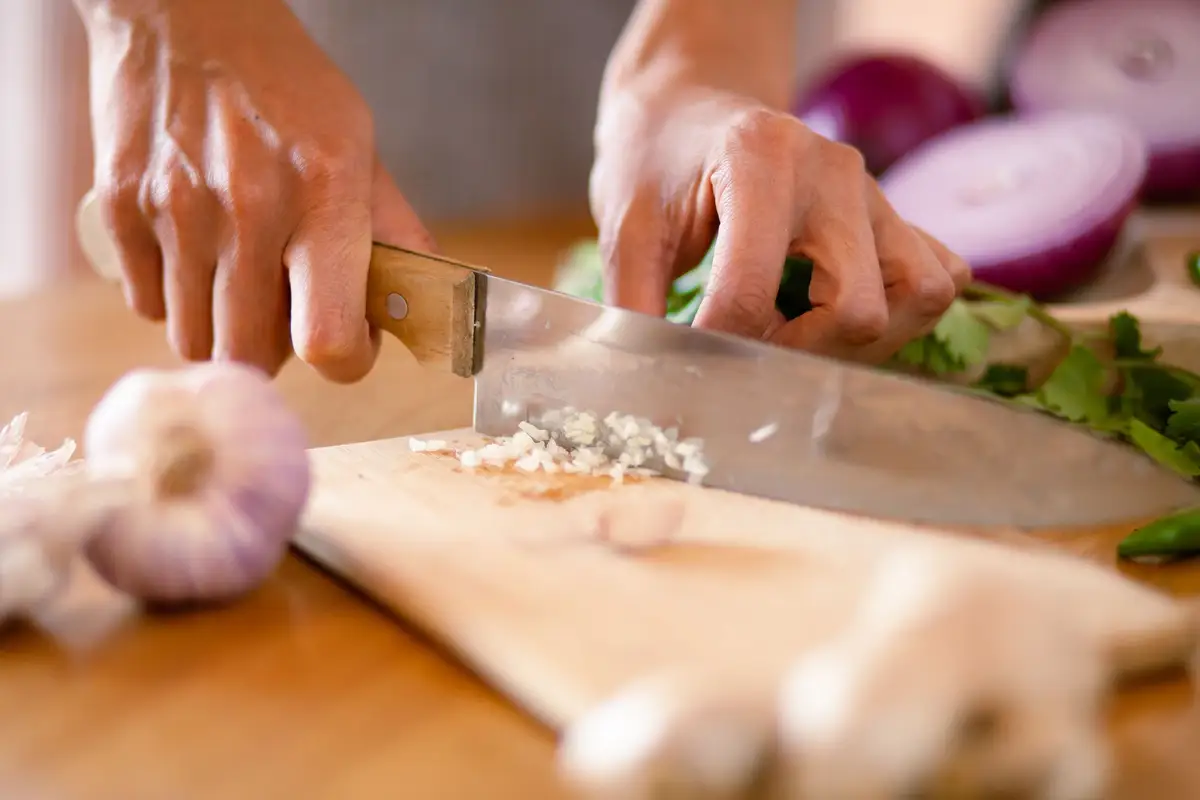
Big batches of vegetables and fish for the festival weeks: how to get your knives ready.
Every knife forged and sharpened by hand in Ranchi · Free re-sharpening for the first year
Plot 14, Tupudana Industrial Area, Hatia, Ranchi 834003
Tue–Sun · 10 am – 6 pm · Forge open Sat 8–11 am
Steel, coal, hours and wood: an honest costing of our 210 mm gyuto.
People sometimes compare our gyuto with a supermarket knife at ₹600 and ask what the difference is. The answer is mostly time.
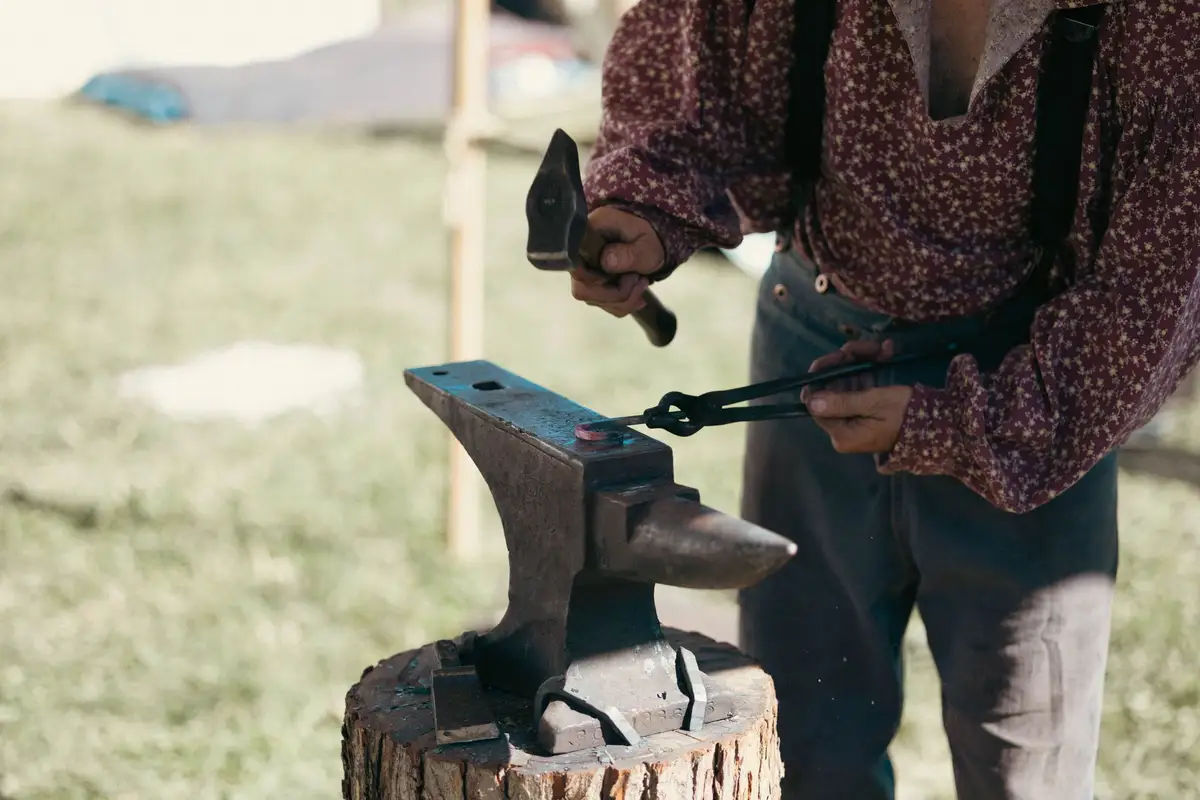
The steel bar costs around ₹700. It is heated in the coal forge and hammered to shape, which takes about forty minutes per blade between the two of us. Then it is normalised, heated and cooled three times to relax the steel, and hardened by heating to cherry red and quenching in oil. Tempering in an oven takes two hours. Coal, oil and electricity add around ₹400 a knife.
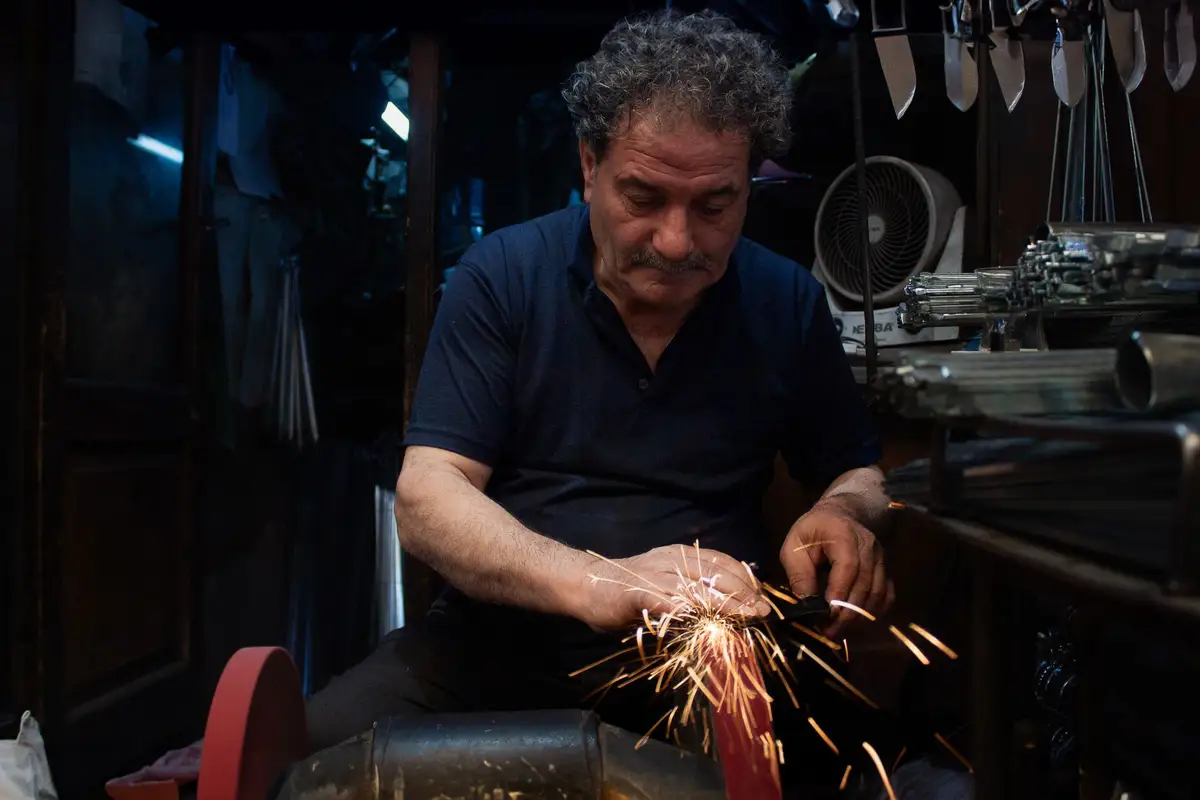
Grinding is the longest part. The blade is ground thin on a belt, by hand, checked against light, then hand-finished. That is about three hours. The sal wood handle is cut, shaped, fitted with a brass ferrule and oiled: another hour and around ₹300 in materials.
Finally it is sharpened on stones, test-cut, boxed and sent with a free re-sharpening for the first year. Labour for roughly six hours of skilled work comes to about ₹3,000. Packing, courier, the forge rent and a margin make up the rest.
A ₹600 knife is stamped from sheet steel in seconds. It can cut well when new. It simply was not made to be sharpened for thirty years.
Keep reading
Big batches of vegetables and fish for the festival weeks: how to get your knives ready.
From the 6 am fire to the last edge on the stone: how a knife is made, hour by hour.
A common worry, answered: what humidity does to carbon steel, and what to do about it.