Quick answer
Selling to tier-2 and tier-3 towns means earning trust before the sale: pages in the shopper's language, cash on delivery with sensible limits, honest delivery dates for their PIN code, value-focused pricing and real photos and videos. Reach buyers through WhatsApp, short videos and word of mouth, and keep the store fast on budget phones and patchy data.
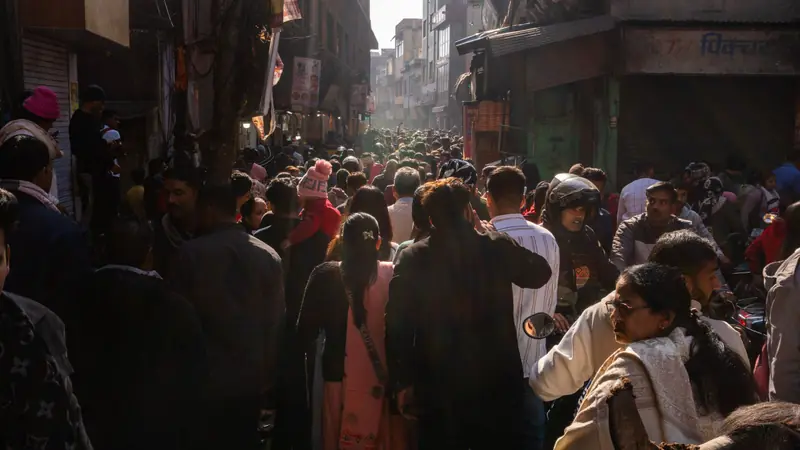
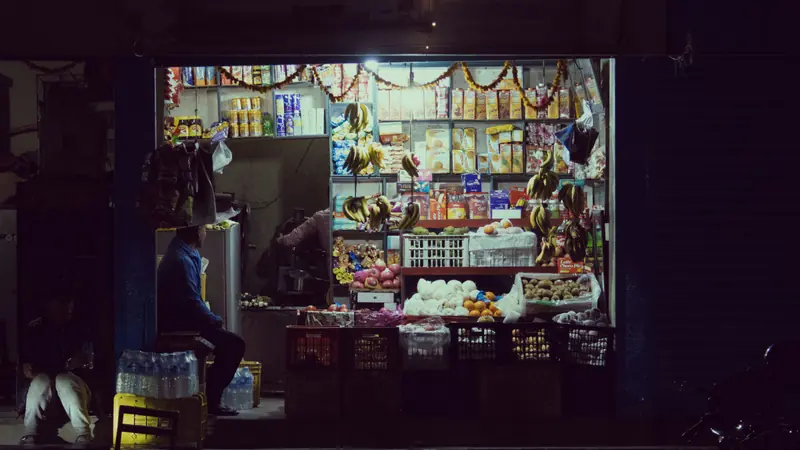
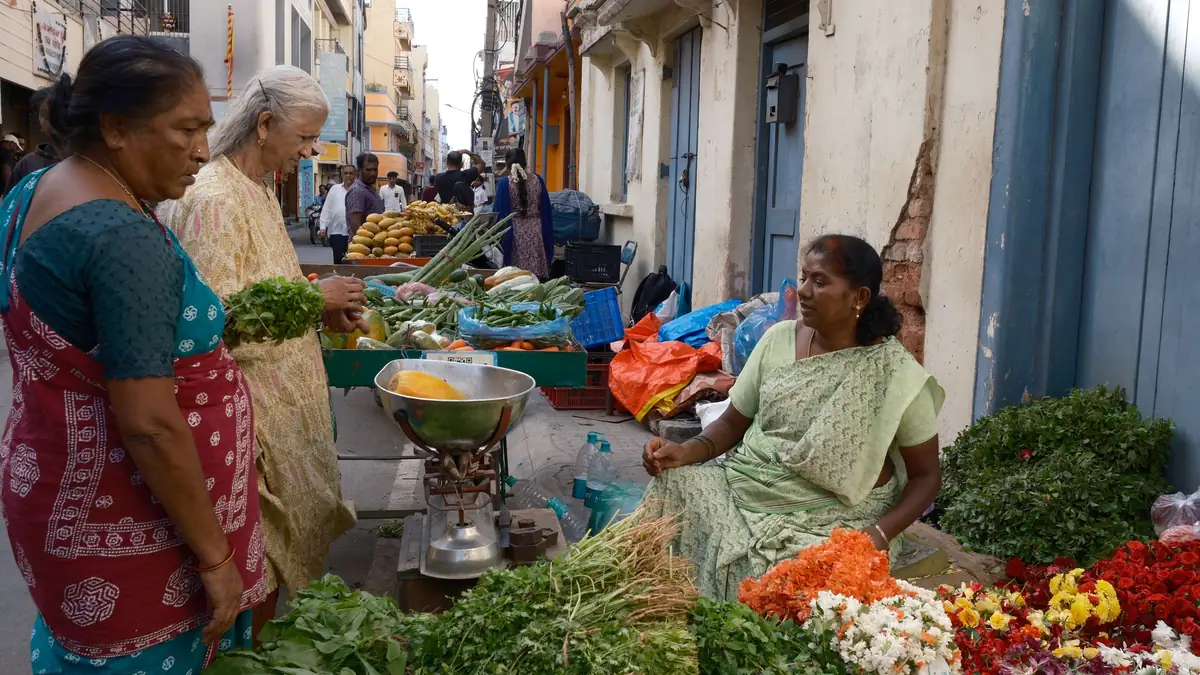
Selling to shoppers in tier-2 and tier-3 towns changes less about what you sell and more about how you earn trust. Shoppers outside the big metros are often newer to buying from small online brands, so they look harder for reassurance: pages in a language they read comfortably, cash on delivery, a clear delivery date for their PIN code, real photos and videos, and a way to talk to a person. Get those right and your store works for buyers from Hubballi to Hisar as well as it does in Bengaluru.
What is different about smaller-town shoppers?
Every town is different, and it is a mistake to treat “Bharat” as one market. Still, a few patterns are widely observed by sellers, and they shape how you design your store:
- Language: many shoppers are more comfortable in Hindi or a regional language than in English, especially when reading details and policies.
- Trust: buying from an unfamiliar brand feels riskier, so cash on delivery, reviews and easy contact matter more.
- Value: shoppers compare carefully and want to know exactly what they get for the price.
- Phones and data: budget phones and patchy connections are common, so a heavy store loses people before it loads.
- Discovery: word of mouth, WhatsApp forwards and short videos often matter more than search ads.
- Delivery: some PIN codes take longer to reach, and a few couriers may not serve them at all.
UPI has made paying online normal across much of the country, so many smaller-town shoppers are comfortable paying digitally once they trust you.
How do you build trust with first-time buyers?
| Worry | What helps |
|---|---|
| “Will the product match the photo?” | Real photos in daylight, a short video, size and fabric details |
| “Will it even arrive?” | Cash on delivery, a clear delivery estimate for their PIN code, tracking updates |
| “What if it is wrong?” | A simple, visible return or exchange policy |
| “Is this a real business?” | Your address, phone or WhatsApp number, GST invoice, reviews from real buyers |
| “Can I ask someone?” | A WhatsApp chat button with quick replies |
Our guide to trust signals for a new store goes through each of these in detail.
Should you offer cash on delivery to smaller towns?
Usually yes, because it removes the biggest worry for a first-time buyer. But cash on delivery comes with a cost: orders refused at the door (RTO) cost you shipping both ways. Manage it with rules rather than switching COD off:
- Set a COD limit, so very large orders must be paid online.
- Set a minimum order value for COD, so tiny orders do not cost more to ship back than they earn.
- Allow or refuse COD by delivery zone, based on your own return experience.
- Confirm COD orders before shipping.
UpMinutes supports all four: a COD limit, a minimum order, COD allowed or refused per delivery zone, and an email asking the shopper to confirm their COD order if you switch it on. Undelivered and RTO courier statuses are flagged so you can follow up. Read reducing COD returns for more.
How do you handle delivery to remote PIN codes?
Be honest about where you deliver and how long it takes. Shoppers in smaller towns are used to longer delivery times; what upsets them is a promise that is broken.
- Set delivery zones by PIN code, city or state, each with its own charge and delivery estimate in days.
- Show a “Check delivery” box on product pages so shoppers can enter their PIN code and see whether you deliver and how long it will take, before they add to cart.
- Use more than one courier if one does not serve an area well; Shiprocket lets you book from several.
- Check addresses carefully. UpMinutes alerts you when a PIN code's state does not match the state the shopper chose.
Our guide to delivering to remote PIN codes covers courier coverage and pricing.
Does language really make a difference?
It can. A shopper who reads Kannada more easily than English will understand your size guide, delivery terms and return policy better in Kannada, and that reduces both hesitation and returns. UpMinutes storefronts work in English, Hindi, Tamil, Telugu and Kannada, with the buttons, checkout, emails and policies translated, and WhatsApp order updates can go in the customer's language. You translate your own products, by hand or with machine translation you review.
Search is also moving towards local languages and voice. See voice and vernacular search for how this affects how people find stores.
How should you price and present products?
- Show the full price early, including delivery. Surprise charges at checkout lose trust quickly.
- Offer sensible pack sizes: smaller packs and trial sizes lower the risk of a first purchase.
- Explain value plainly: fabric, weight, what is included, how long it lasts.
- Use EMI or pay-later options for higher-value items, where your gateway offers them.
- Bundles and free gifts often work better than percentage discounts.
How should returns and exchanges work?
A shopper who is unsure about size or colour is far more likely to order if they know an exchange is easy. Keep the policy short and written in plain words, in every language your store uses. Let customers ask for a return or exchange from their order page with a reason and a photo, and approve or answer within a day. For COD orders, refunds to the customer's UPI ID are quicker and cheaper than cash. Offering store credit as an option can keep the sale while still solving the problem. Our returns and exchange guide has sample wording.
How do you reach shoppers in smaller towns?
- WhatsApp: customers share links with family and friends. Make product pages easy to share, and use status and Channels for new arrivals.
- Short videos: Instagram Reels and YouTube Shorts showing the product in use, in the language of your audience.
- Local creators: smaller creators from the same region often have more trusted, closer audiences; see micro-influencer marketing.
- Google free listings: products show in Google Shopping results without ad spend.
- Your offline network: if you also have a shop, a card in every bag with your store link helps.
Does store speed matter more here?
Yes. On a budget phone with weak signal, every extra script and large photo adds seconds. Keep your homepage simple, use compressed photos, and avoid heavy pop-ups. UpMinutes stores have no page builders, plugins or app scripts, and photos are converted to WebP in three sizes automatically. Test your store on an older phone on mobile data, not just your office Wi-Fi.
A checklist for selling beyond the metros
- Store and policies in the languages your customers read
- COD on, with limits, a minimum and confirmation
- Delivery zones with honest estimates and a PIN code checker
- Real photos and a short video for best sellers
- WhatsApp button and quick replies ready
- Prices shown with delivery, and small trial packs
- Store tested on a budget phone on mobile data
Frequently asked questions
Are tier-2 and tier-3 shoppers less likely to pay online?
Many are comfortable with UPI, but first-time buyers from an unfamiliar brand often prefer cash on delivery. Offer both, and encourage online payment once they trust you.
Should I charge more for delivery to small towns?
Charge what it actually costs, by zone or weight, and show it early. A clear, fair delivery charge is better than free delivery you cannot sustain.
Which languages should I add first?
Look at where your orders and enquiries come from and the languages customers use when they message you, then start with the one that covers most of them.
How do I stop fake COD orders?
Set a COD limit and minimum order, refuse COD in zones with high returns, and confirm COD orders before you ship.