What a CMM report tells you
How to read the report that comes with every lot.
Aerospace and automotive work · First-article samples in 10 working days
SF 214, SIDCO Industrial Estate, Kurichi, Coimbatore 641021
Mon–Sat · 8.30 am – 6 pm · two shifts
Five small changes to a drawing that cut cost and lead time.
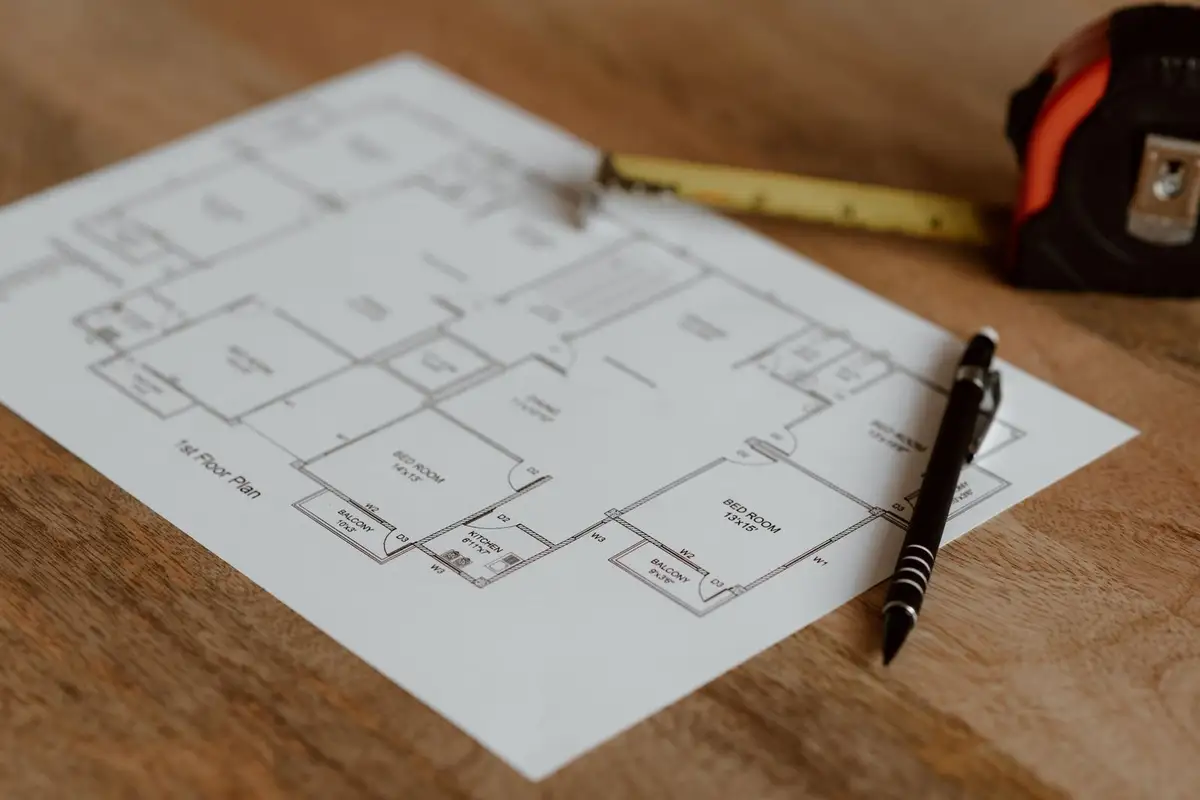
Most of the drawings we quote are good. A few small changes would make many of them cheaper to machine and quicker to deliver.
First, tolerance only what matters. A general tolerance of ±0.1 mm with tight limits on the bores and mating faces is cheaper than ±0.01 mm everywhere. Tight tolerances mean slower feeds, more inspection and sometimes a second set-up.
Second, give internal corners a radius. A cutter is round, so a sharp internal corner needs EDM or a very small tool. A 3 mm radius lets us use a robust 6 mm end mill.
Third, keep deep pockets in proportion. A pocket more than four times as deep as it is wide needs long, slender tools that chatter. If the depth is not functional, reduce it.
Fourth, standardise threads and holes. Using M6 and M8 throughout instead of five different sizes saves tool changes on every part.
Finally, send the 3D model with the 2D drawing. We program from the model and check against the drawing. If they disagree, we will ask before cutting metal.
Keep reading
How to read the report that comes with every lot.
Five-axis machining costs more per hour and can still be cheaper per part.
Strength, weight, machinability and cost per kilo: how the common grades compare for a milled housing.