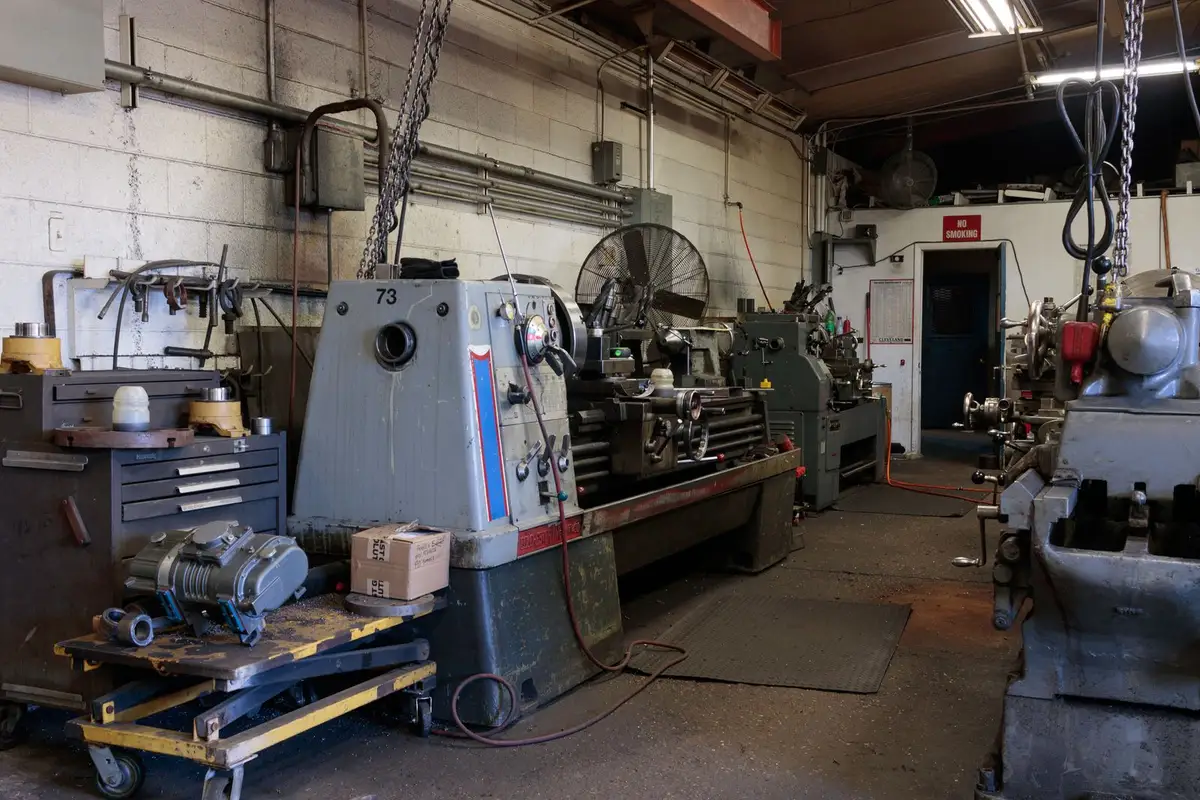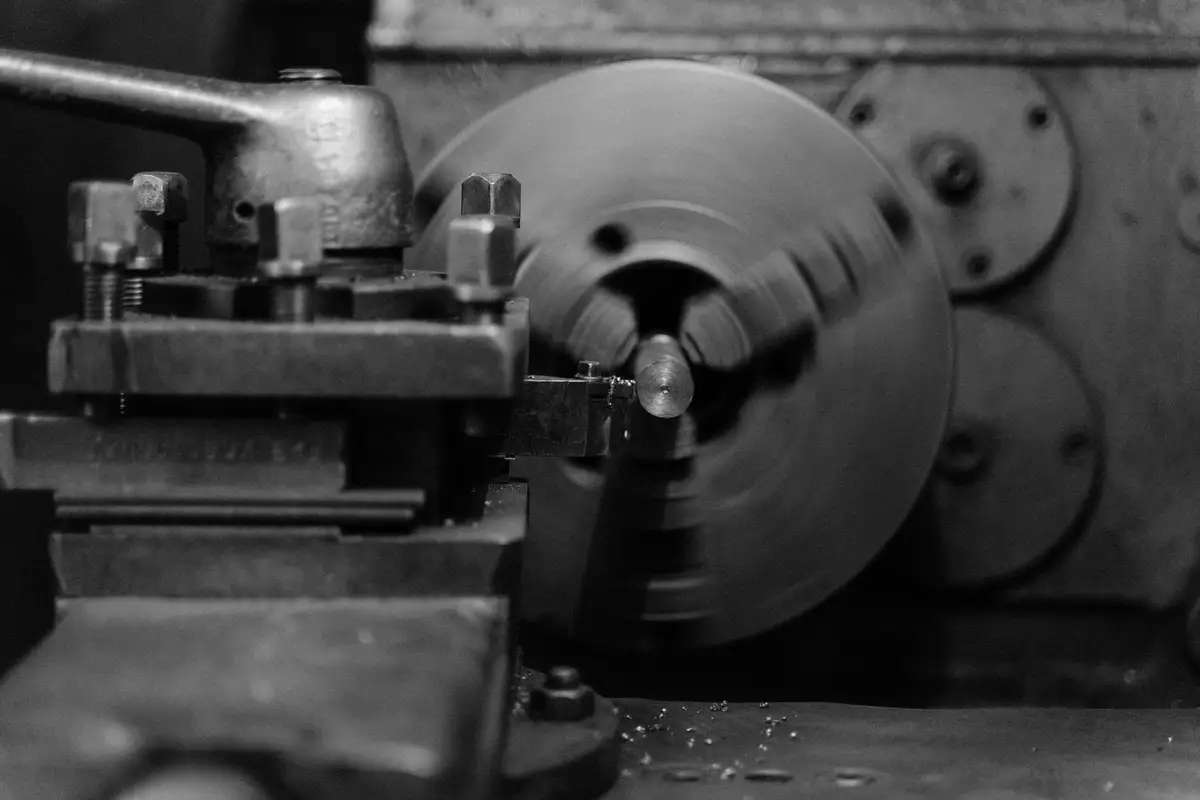
How a machining quote is built
Material, programming, set-up, cycle time, inspection and finishing: the six lines behind every price we send.
Aerospace and automotive work · First-article samples in 10 working days
SF 214, SIDCO Industrial Estate, Kurichi, Coimbatore 641021
Mon–Sat · 8.30 am – 6 pm · two shifts
Strength, weight, machinability and cost per kilo: how the common grades compare for a milled housing.
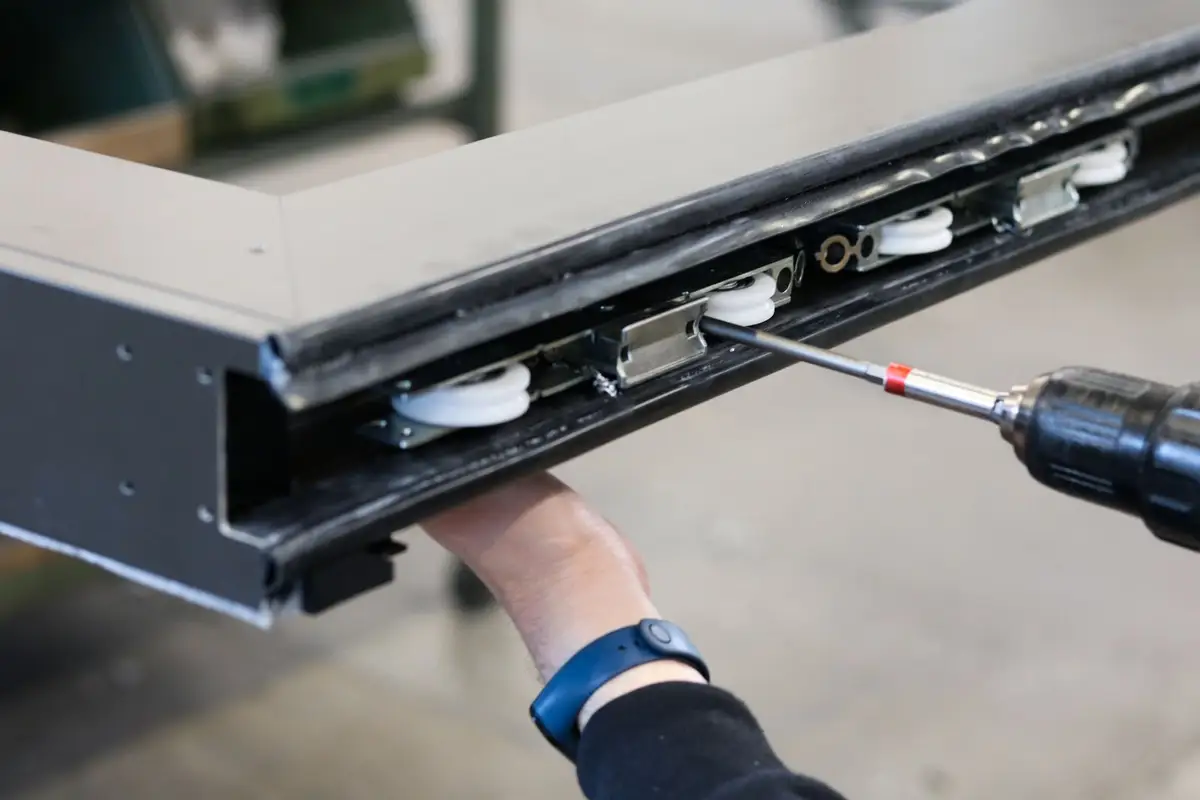
Many drawings we receive call for a material simply because the last part used it. Choosing deliberately can save weight, cost or lead time. Here is how the grades we machine most often in Kurichi compare for a typical milled housing.
Aluminium 6061-T6 is the default for good reason. It machines quickly and cleanly, takes anodising well, resists corrosion and is easy to find in Coimbatore in plate and bar. Its strength is moderate, around 290 MPa in tension. For brackets, covers, fixtures and most housings, it is enough.
Aluminium 7075-T6 is much stronger, about 570 MPa, close to some steels at a third of the weight, which is why aerospace drawings call for it. It machines well but costs two to three times as much per kilo as 6061, is harder to source in thick plate at short notice and is less resistant to corrosion, so it usually needs anodising or another coating. Choose it when strength-to-weight really matters.
Stainless steel 304 and 316 resist corrosion without coating and suit food, pharma and marine parts, but they are three times heavier than aluminium and slower to machine. Cycle times can be three to four times longer, and tool wear is higher, so a stainless housing can cost several times more than the same part in aluminium. 17-4 PH stainless gives higher strength after heat treatment. If you are unsure, send us the drawing with the load and the environment the part will see. Our engineers will suggest a grade and quote both options side by side.
Keep reading
Material, programming, set-up, cycle time, inspection and finishing: the six lines behind every price we send.
What to include, how long a quote takes, and what happens between your drawing and the first sample on your desk.
Bar feeders, guide bushes and a part every 40 seconds: what our Swiss-type section does between 6 am and 2 pm.