Sending us your first RFQ: what to expect
What to include, how long a quote takes, and what happens between your drawing and the first sample on your desk.
Aerospace and automotive work · First-article samples in 10 working days
SF 214, SIDCO Industrial Estate, Kurichi, Coimbatore 641021
Mon–Sat · 8.30 am – 6 pm · two shifts
Material, programming, set-up, cycle time, inspection and finishing: the six lines behind every price we send.
Buyers comparing quotes for the same part are sometimes puzzled by a wide spread in prices. Most of the difference comes from how each shop estimates six things. Here is how we build ours, so you can see what drives the number.
Material is the simplest line: the weight of the blank, including the stock we machine away, at the current price per kilo, plus cutting. For a milled aluminium housing from a 3 kg block, material might be 15 to 25% of the price.
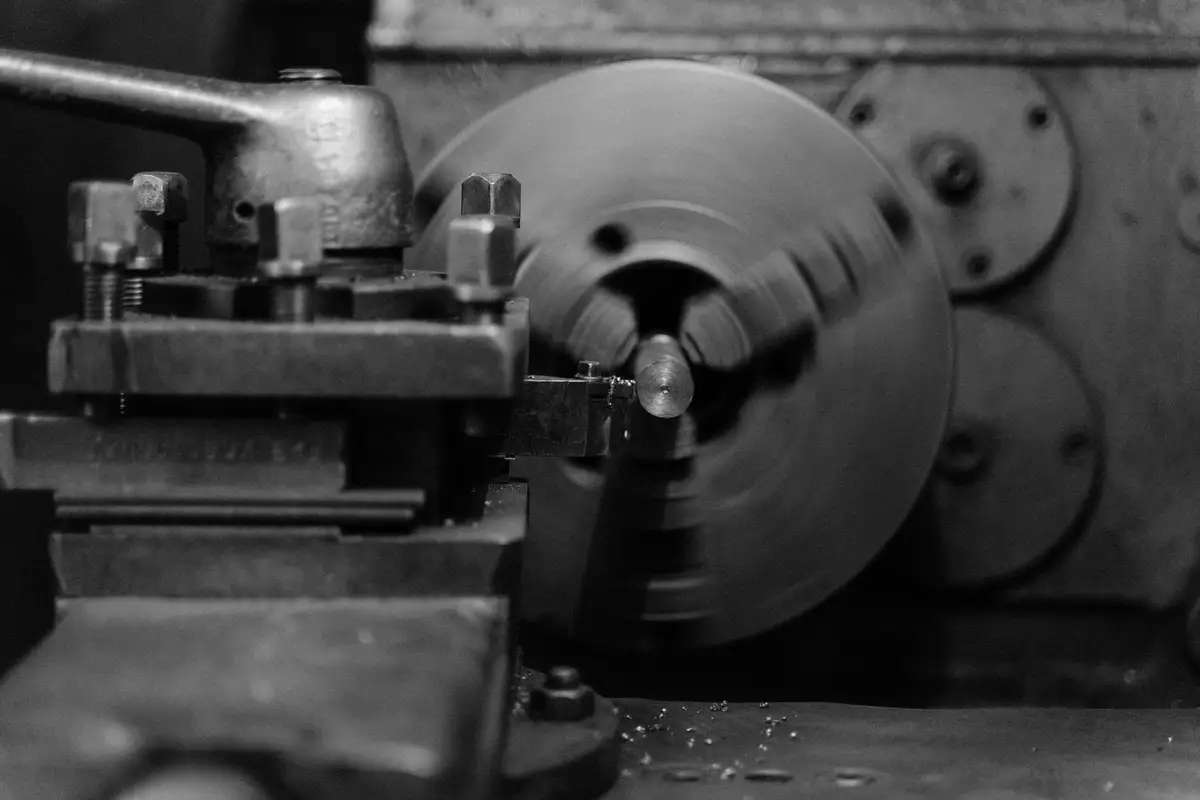
Programming and set-up are one-time costs. A programmer writes the CAM program and proves it, and a setter makes or adapts fixtures and touches off tools. On a new 5-axis part this can be four to ten hours. Spread over a batch of 10, it is a large part of each piece; over 1,000, it almost disappears. This is why a prototype costs so much more per piece than production.
Cycle time is the minutes each part spends in the machine, multiplied by the machine’s hourly rate. A 5-axis machine costs more per hour than a 3-axis one, but can finish a part in one set-up instead of three, so the total can be lower. Inspection covers the CMM time and the report; finishing covers deburring, washing, and any anodising, plating or heat treatment we arrange with partners. Packing and freight come last. Every quote we send shows these lines separately, along with the batch size it assumes. Ask us to price two batch sizes, and you will see exactly how set-up cost spreads.
Keep reading
What to include, how long a quote takes, and what happens between your drawing and the first sample on your desk.
Bar feeders, guide bushes and a part every 40 seconds: what our Swiss-type section does between 6 am and 2 pm.
From textile mills and pumps to aerospace parts: why so many machine shops grew up along the Noyyal river.