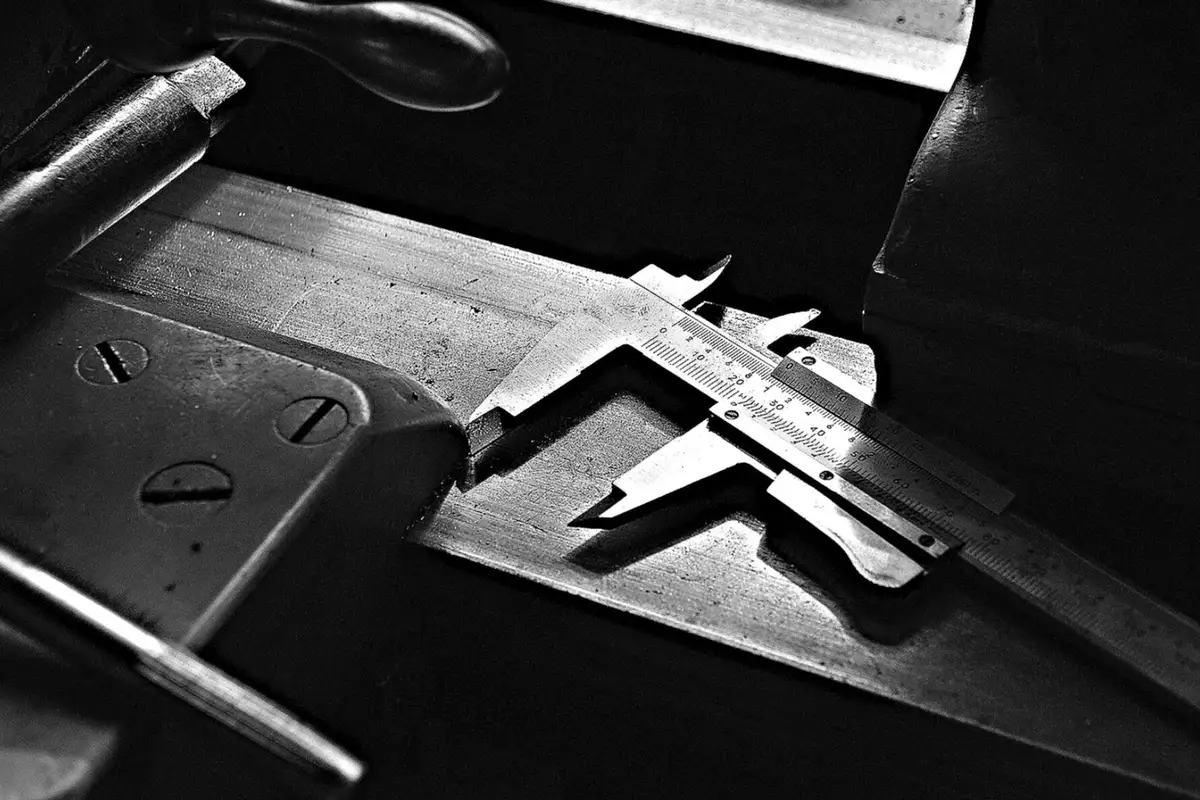
Why tighter tolerances are not always better
Each extra decimal place on a drawing costs time and money. How to tell which dimensions really need ±0.01 mm.
Aerospace and automotive work · First-article samples in 10 working days
SF 214, SIDCO Industrial Estate, Kurichi, Coimbatore 641021
Mon–Sat · 8.30 am – 6 pm · two shifts
From textile mills and pumps to aerospace parts: why so many machine shops grew up along the Noyyal river.
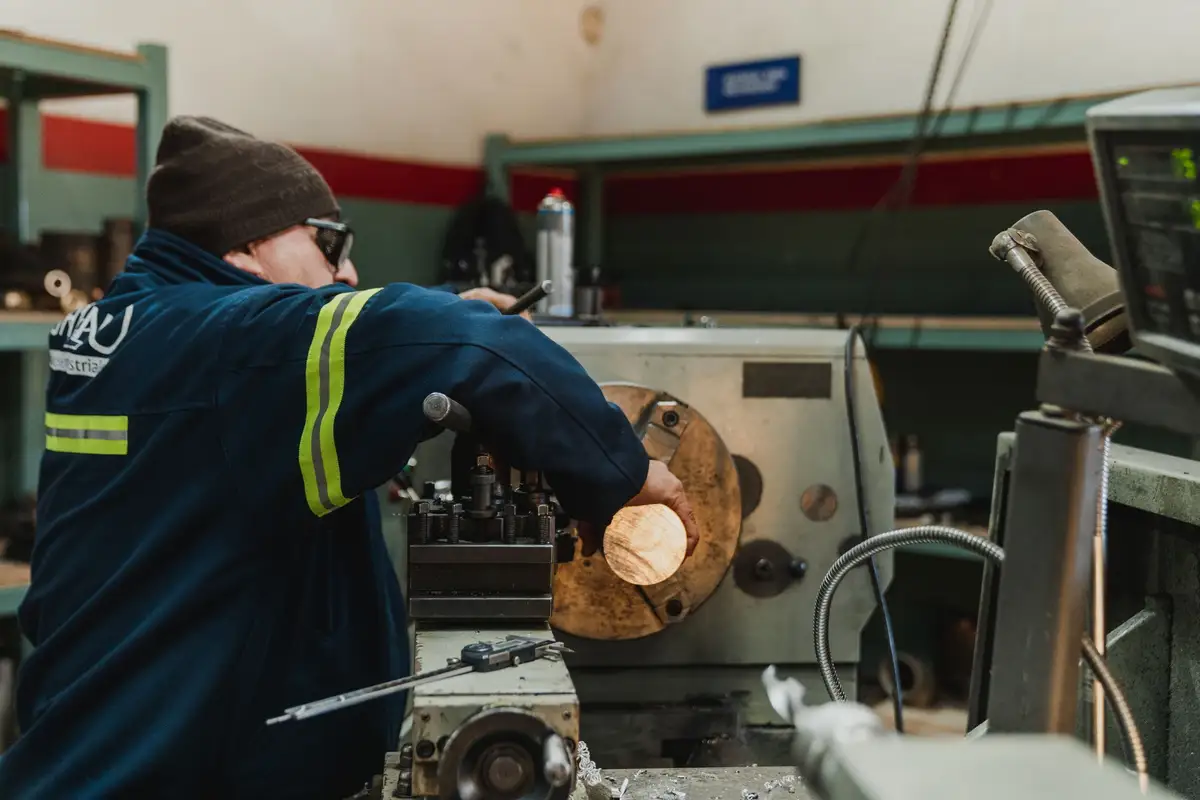
Customers visiting us from abroad often ask why so much precision machining happens in Coimbatore, a city better known for textiles. The answer lies in a century of industry that grew in layers, each one feeding the next.
In the early twentieth century, Coimbatore’s textile mills needed spare parts and repairs, and small foundries and workshops grew up to supply them. From the 1930s, local entrepreneurs began making textile machinery itself. That gave the city a deep pool of fitters, turners and pattern makers.
The second layer was pumps and motors. With farms across western Tamil Nadu depending on borewells, Coimbatore became one of India’s main centres for agricultural pumps. Pump makers needed shafts, impellers, housings and castings by the thousand, and hundreds of small machine shops, like the one our founder started in 2003 with two lathes, grew to serve them.
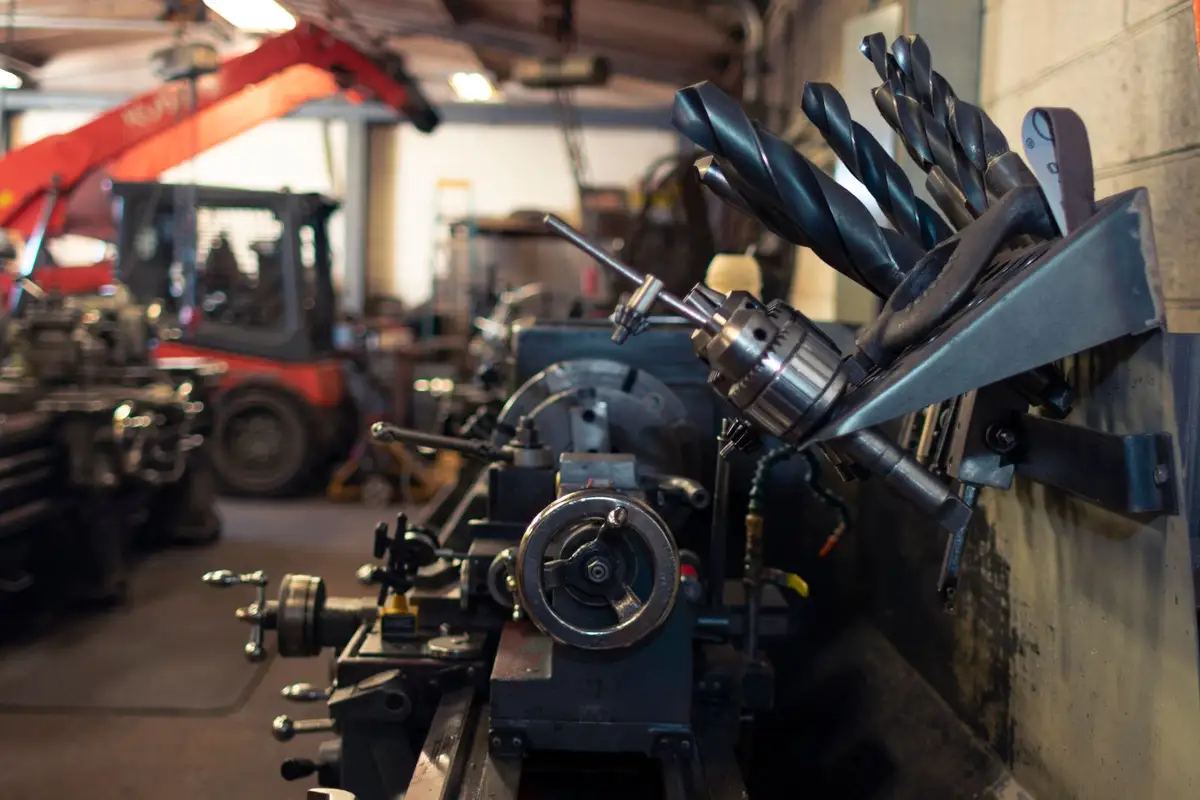
The third layer came with CNC machines and the auto and engineering industries of the 1990s and 2000s. Shops in industrial estates at Kurichi, Ganapathy and the SIDCO areas bought CNC lathes and machining centres and began supplying automotive and later aerospace and medical customers. Today the cluster includes foundries, heat treaters, platers, tool sellers and machine dealers within a short drive of each other. For a buyer, this matters in practical ways. We can source most materials within a day, send parts for heat treatment or plating nearby and inspect them on return. And when we hire, we find people who grew up around machines.
Keep reading
Each extra decimal place on a drawing costs time and money. How to tell which dimensions really need ±0.01 mm.
Our holiday calendar, how supplier closures ripple through lead times and when to place orders for November and January.
Five small changes to a drawing that cut cost and lead time.