Breaking in a pair of Kolhapuris
Real bark-tanned Kolhapuris start stiff and end up shaped to your foot: here is how to get through the first week.
Free resizing within 15 days · Delivery across Maharashtra in 2 days
17 Laxmi Road, Kasba Peth, Pune 411011
Mon–Sat · 10.30 am – 8.30 pm · Sun 11 am – 4 pm
Leather, bark, thread, three days of hand work and a shop on Laxmi Road. An open breakdown of where the money goes.
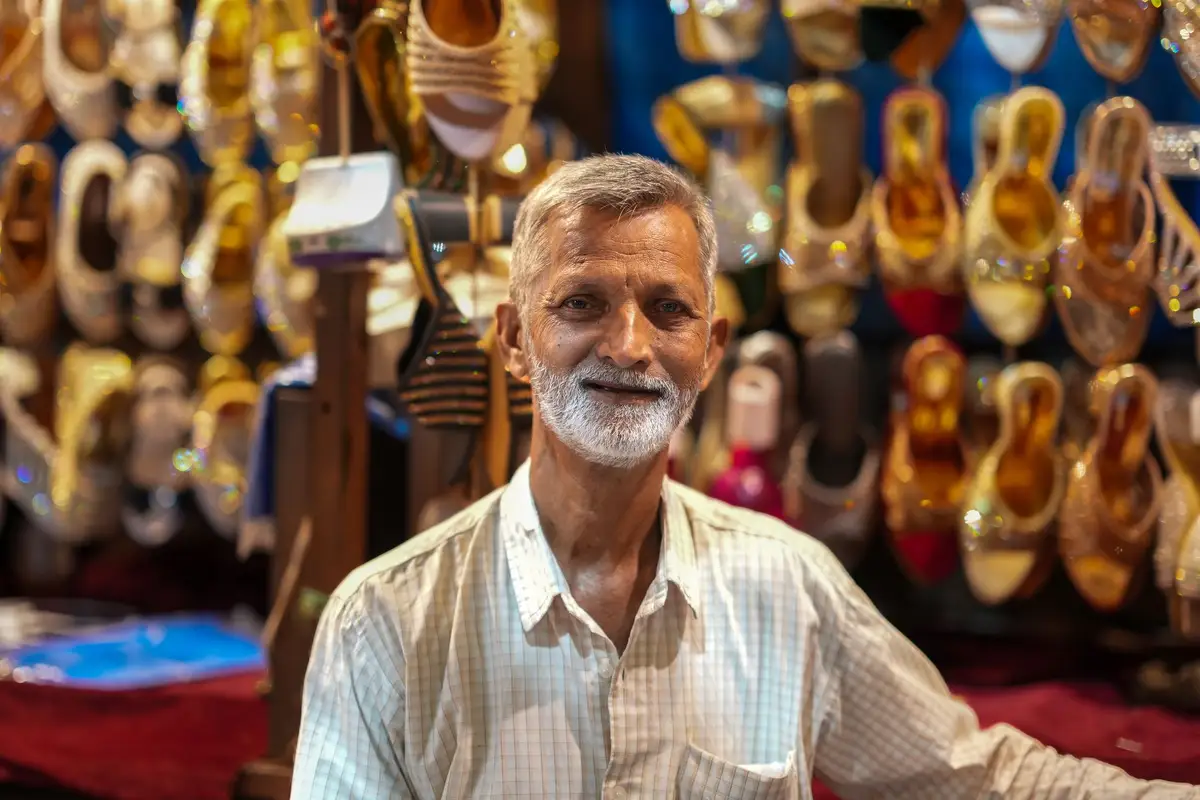
Our classic Kolhapuri sells for ₹1,650. On the highway you can find sandals that look similar for ₹400. Customers sometimes ask what the difference is, so here is roughly how our price adds up.
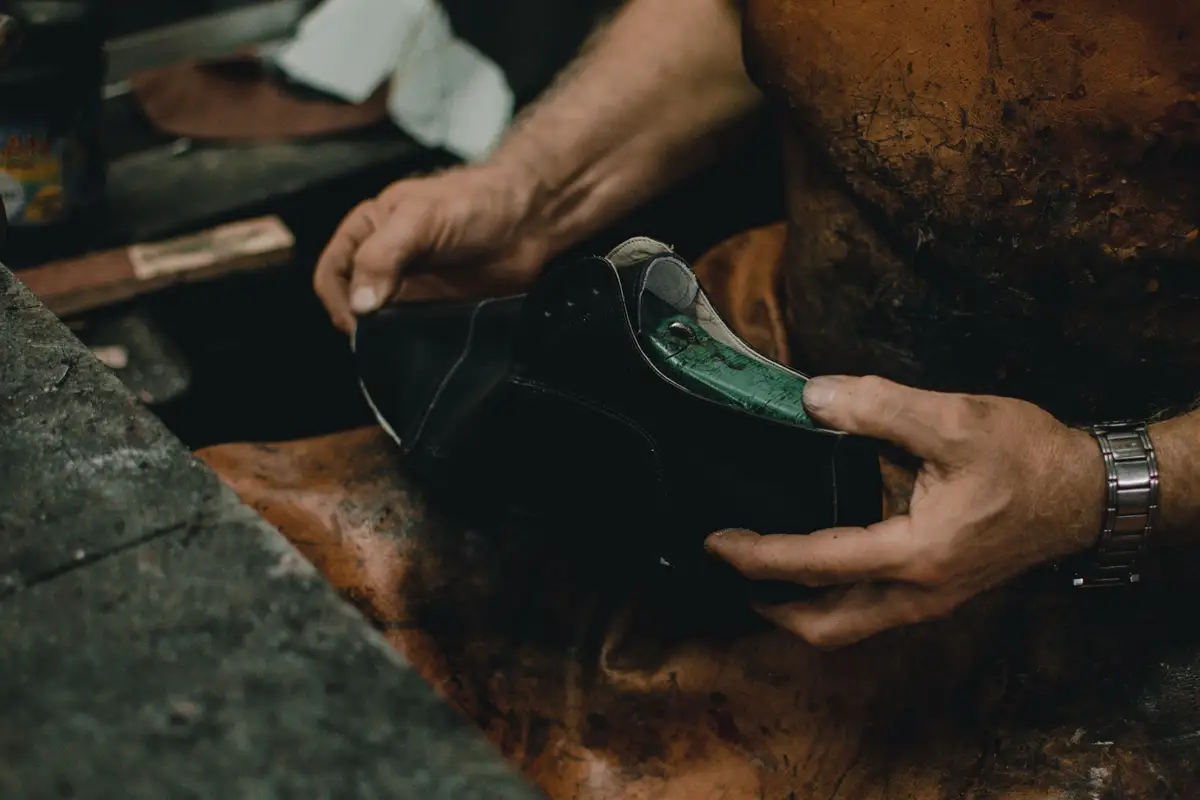
The bark-tanned buffalo leather for one pair costs us about ₹380. It takes six weeks to tan, and a single hide gives about 18 pairs. Thread, the cotton lining strip, natural dyes and a little brass for the eyelet add another ₹60. Then comes the work: cutting, plaiting the toe ring, hand-stitching the sole with leather thread and finishing the edges takes one karigar most of a day, spread over three. We pay ₹420 for that, which is above the piece rate in Kolhapur.
Rent on Laxmi Road, electricity, packaging and delivery across Maharashtra come to about ₹250 a pair. GST on footwear at this price is 12 percent, about ₹177. What remains, a little over ₹350, pays for free resizing, the pairs we remake when something goes wrong, and the shop.
The ₹400 sandal is usually chrome-tanned or synthetic, with a sole that is glued, not stitched. It may be fine for a season. Ours should last two to three monsoons and can be resoled for ₹650, which is why we think the price is fair. We are happy to show you both side by side in the shop.
Keep reading
Real bark-tanned Kolhapuris start stiff and end up shaped to your foot: here is how to get through the first week.
A glued sole cannot be replaced; a stitched one can be replaced many times. That is the whole difference.
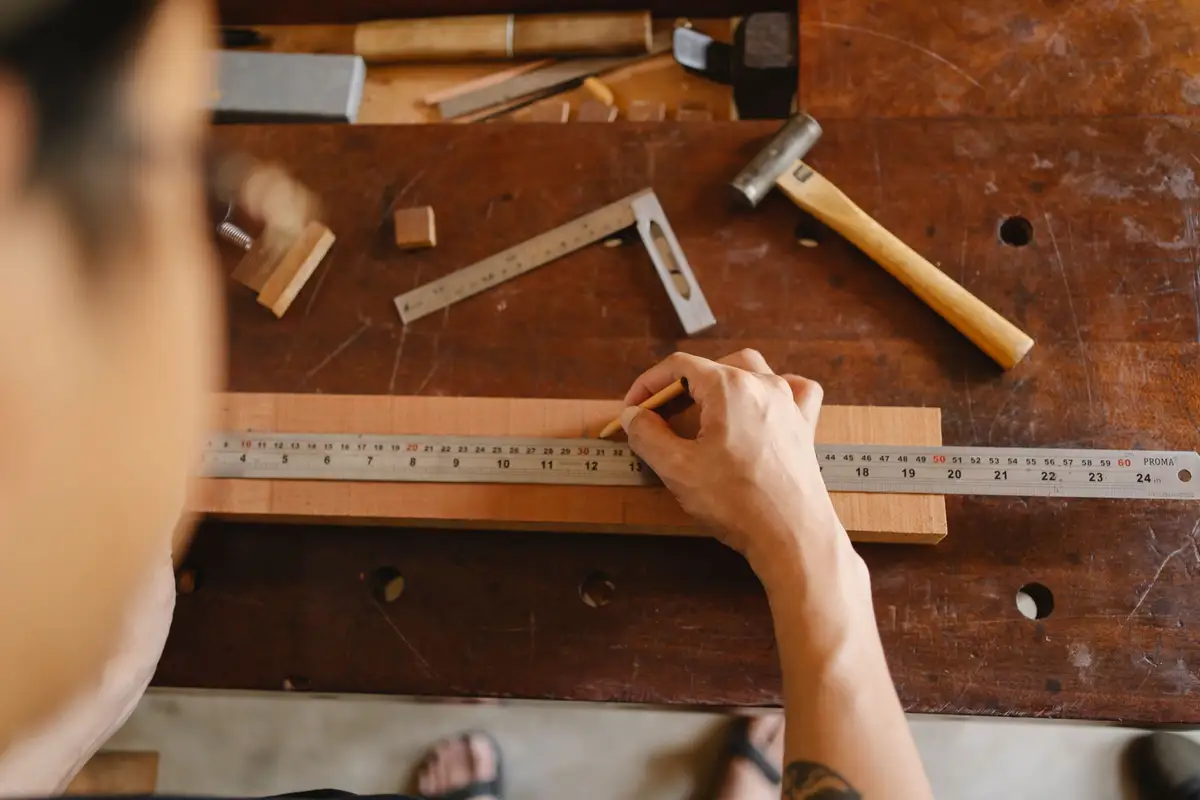
Five minutes, a sheet of paper and a ruler will tell you more than the size printed in your old shoes.