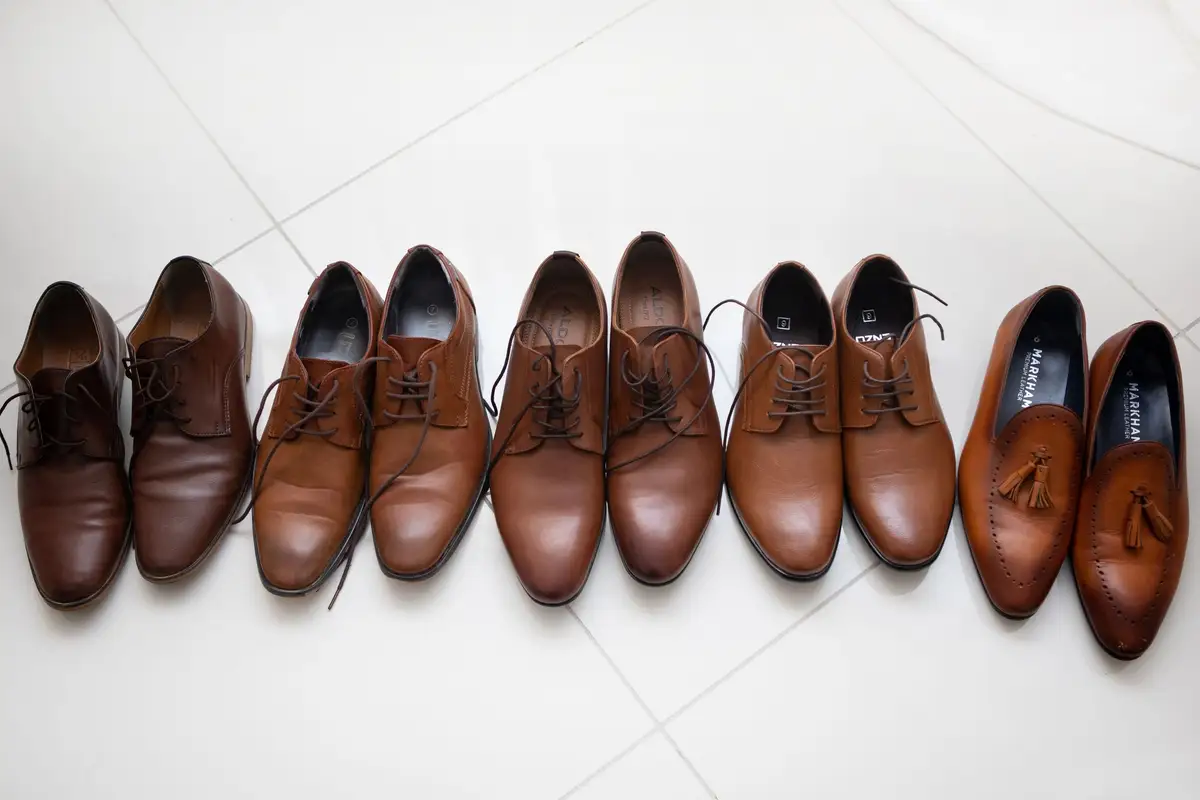
Derby, oxford, loafer or monk: which one to buy first
Four shapes cover almost every occasion. How they differ, what each suits, and which to choose if you can buy only one.
Free resizing within 15 days · Delivery across Maharashtra in 2 days
17 Laxmi Road, Kasba Peth, Pune 411011
Mon–Sat · 10.30 am – 8.30 pm · Sun 11 am – 4 pm
Four months of rain do more damage to leather than four years of walking. A simple routine for June to September.
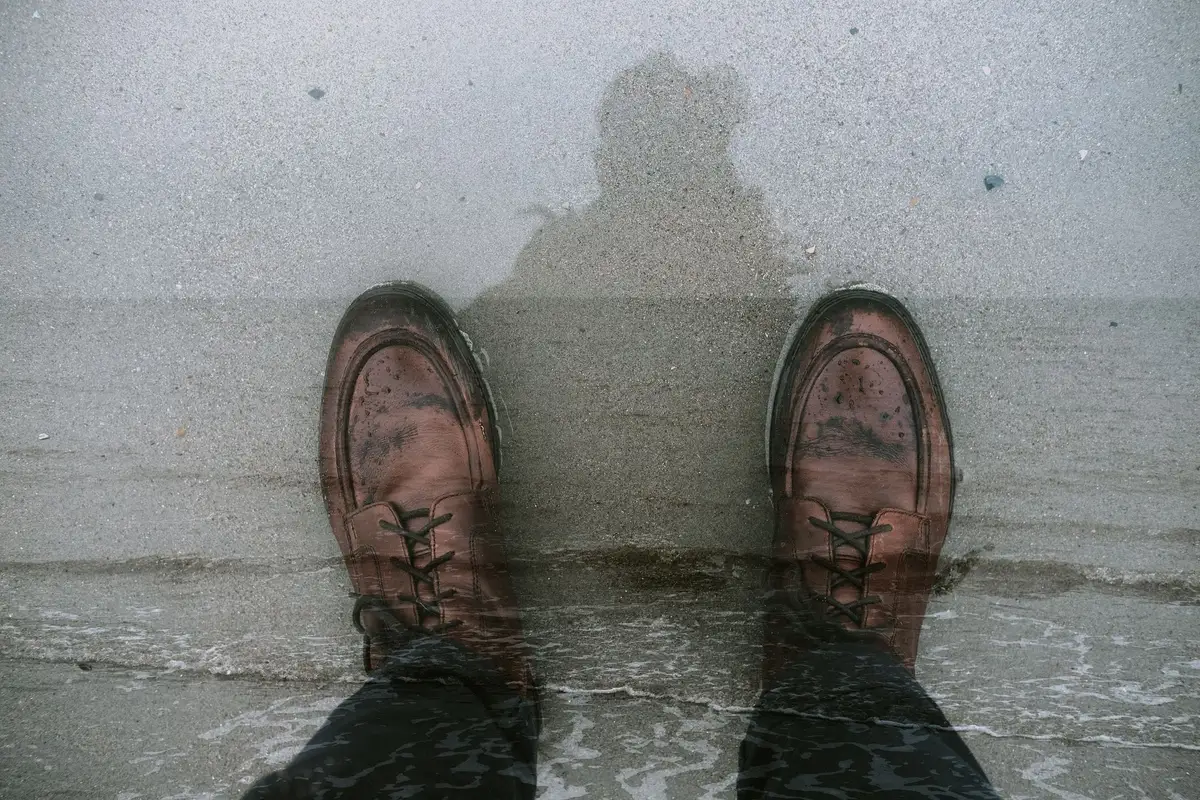
Pune gets most of its rain between June and September, and the damage is rarely the water itself. It is the drying. A wet leather shoe left near a heater or in the sun shrinks, cracks across the toe crease and loses the shape of your foot in a single afternoon.
When a pair comes home soaked, wipe off the mud with a damp cloth, stuff it loosely with newspaper and leave it on its side in a room with a fan. Change the paper after two hours. Let it dry for a full day, even two, before you wear it again. A cedar or plain wooden shoe tree, about ₹450 a pair, does the same job and holds the shape better.
Once dry, rub in a thin coat of neutral cream with a soft cloth. Leather that has been fed resists the next shower; leather that has not drinks it in. White salt lines from the roads come off with a cloth dipped in one part vinegar to three parts water.
Keep two pairs in rotation if you can, so each gets a day off. Store them in cotton bags, not plastic, and open the cupboard on dry days; mould loves a closed wardrobe in August. Kolhapuris are the exception to most of this. Bark-tanned leather does not like rain at all, so we suggest putting them away until Dussehra.
Keep reading
Four shapes cover almost every occasion. How they differ, what each suits, and which to choose if you can buy only one.
Haldi, sakharpuda, the wedding day and the reception each ask something different of your feet. A plan for all four.
Before a Kolhapuri is cut, its buffalo hide spends about six weeks in pits of babul bark. Here is what happens in that time.