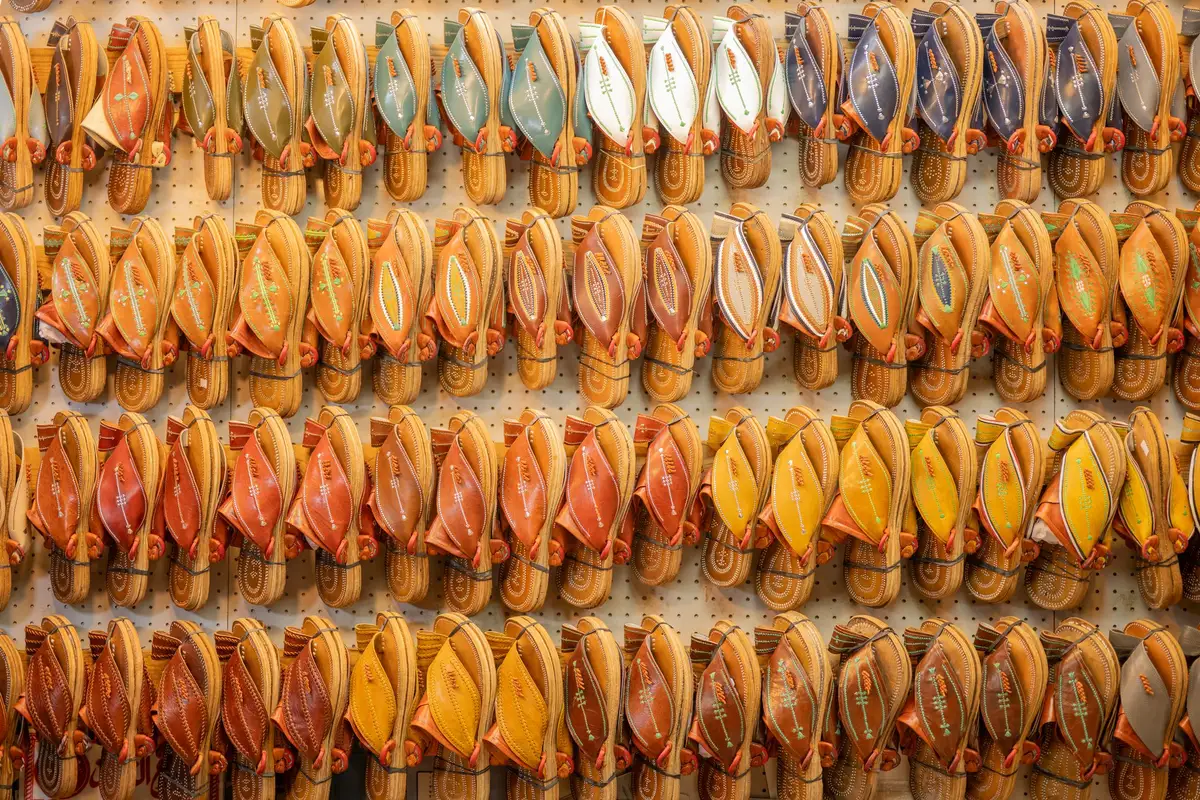
What goes into the price of a ₹1,650 Kolhapuri
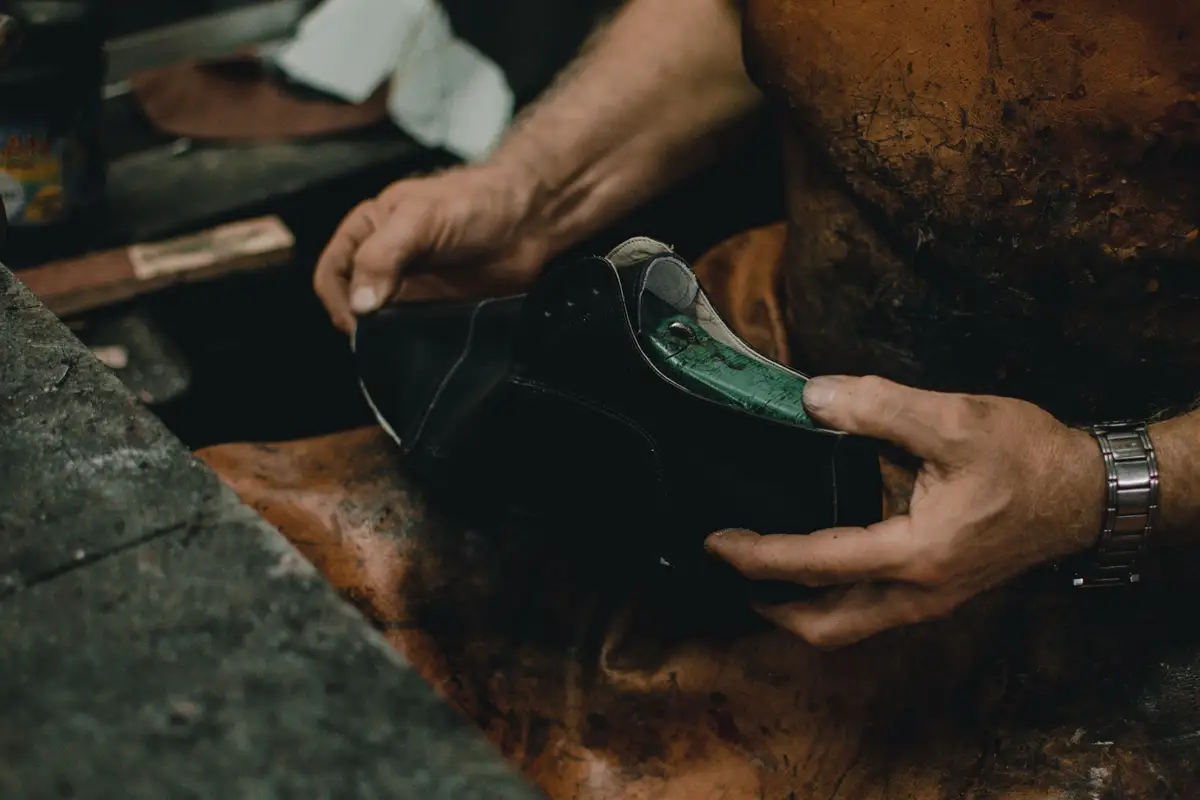
Leather, bark, thread, three days of hand work and a shop on Laxmi Road. An open breakdown of where the money goes.
Free resizing within 15 days · Delivery across Maharashtra in 2 days
17 Laxmi Road, Kasba Peth, Pune 411011
Mon–Sat · 10.30 am – 8.30 pm · Sun 11 am – 4 pm
Many customers switch to synthetic shoes in April to stay cool. Here is why that often has the opposite effect.
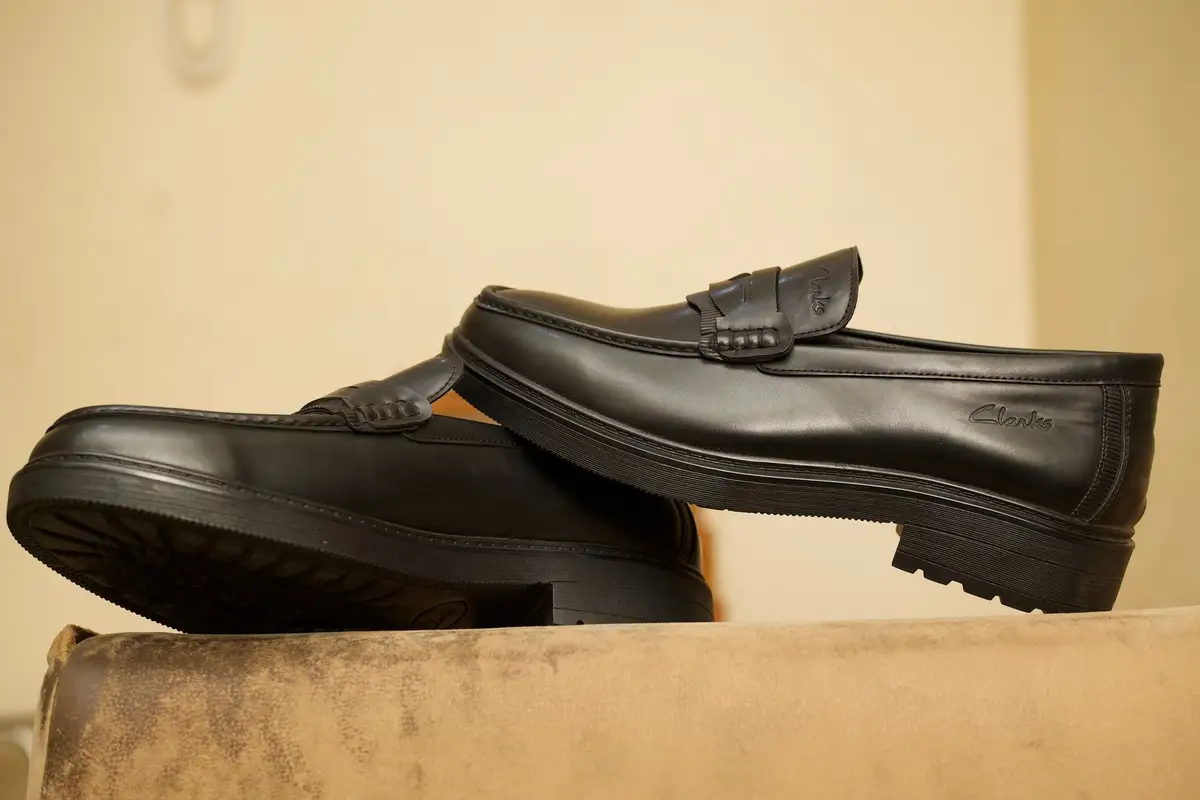
When the temperature in Pune climbs past 38°C in April, people ask us whether they should stop wearing leather until the rains. It is a fair question, and the honest answer is that good leather is usually cooler than what replaces it.
Leather is skin. It has pores that let moisture pass through, and it absorbs sweat and releases it slowly. Synthetic uppers made of PU or PVC do neither. Sweat stays on your foot, the shoe gets warm and damp inside, and that is where the smell and the itching come from. Rubber and foam soles add to it by trapping heat from hot roads.
The lining matters as much as the upper. Our loafers and derbies are lined with thin goat leather rather than fabric or foam, and the insole is leather too. An unlined suede moccasin, like our driving moccasin at ₹2,990, is about as airy as a closed shoe gets. A bark-tanned Kolhapuri, open on top and with a leather footbed, is cooler still.
A few habits help in May. Wear thin cotton or bamboo socks and change them at lunch if you can. Do not wear the same pair two days running; leather needs a night to dry out. And sprinkle a little talc inside once a week. Hot feet are usually a materials problem, not a leather one.
Keep reading
Leather, bark, thread, three days of hand work and a shop on Laxmi Road. An open breakdown of where the money goes.
Real bark-tanned Kolhapuris start stiff and end up shaped to your foot: here is how to get through the first week.
A glued sole cannot be replaced; a stitched one can be replaced many times. That is the whole difference.