What a pashmina costs, and why
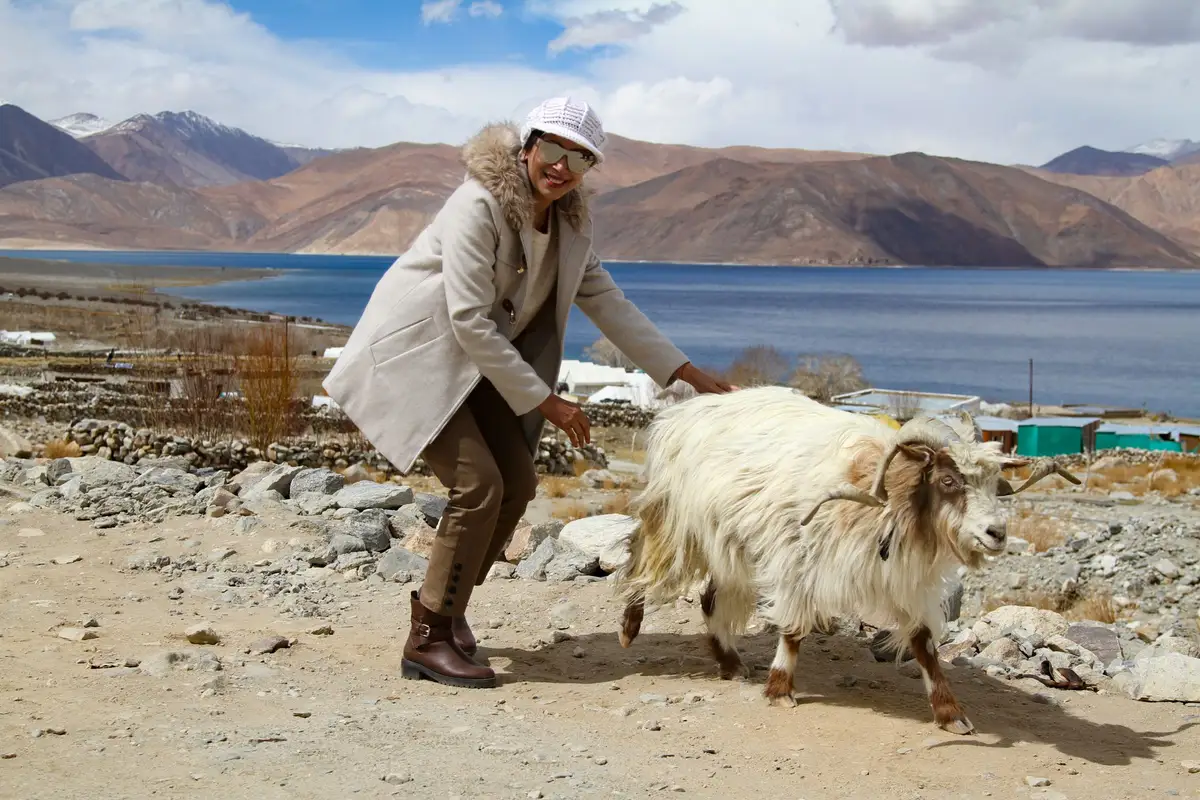
From goat to shawl: an honest breakdown of the ₹18,500 on our plain natural pashmina.
Shawls shipped across India in 3–5 days · Free monogram embroidery on stoles
22 Katra Jaimal Singh, near Hall Bazaar, Amritsar 143006
Mon–Sat · 10.30 am – 8.30 pm · Sun 12 – 6 pm
Clean, fold, breathe: how to keep moths and damp away from April to October.
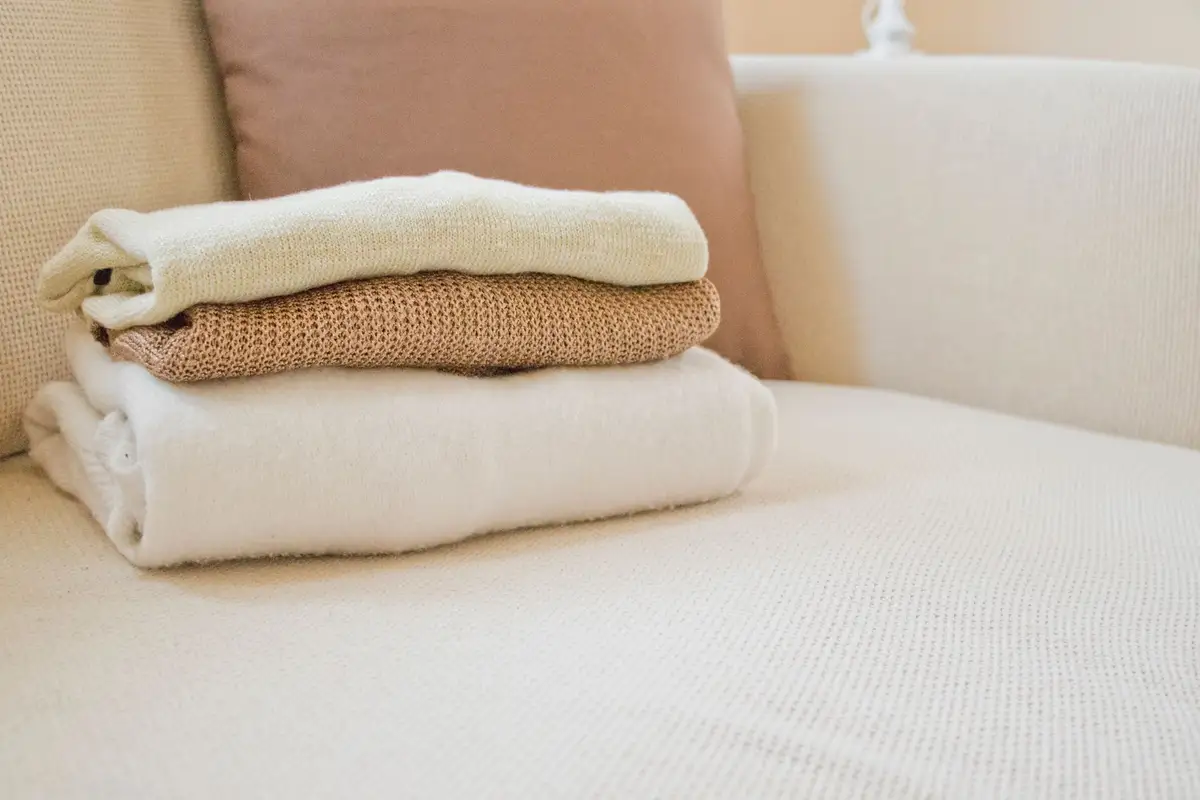
Moths are the main enemy of a good shawl, and they go for wool and pashmina that has been worn and put away unwashed. The traces of skin and food on a used shawl are what the larvae feed on. So the first rule is simple: clean before you store.
Dry clean pashmina and embroidered pieces in March, once the cold is over. Plain wool shawls can be hand washed in cold water with a little mild shampoo, pressed between towels and dried flat in the shade. Never wring them and never dry them in sun, which yellows natural colours.
Fold each shawl loosely and wrap it in muslin or an old cotton dupatta. Avoid plastic bags, which trap damp in the Punjab monsoon and cause mildew. Tuck a few dried neem leaves or a cedar block into the trunk. Naphthalene balls work, but the smell lingers into November.
Open the trunk twice over the summer, once in June and once in September. Shake each shawl out, air it in the shade for an hour, and refold it along different lines so the creases do not set. It takes an afternoon and saves you a shawl. If you do find a moth hole, bring it to us early: a small hole can be darned almost invisibly.
Keep reading
From goat to shawl: an honest breakdown of the ₹18,500 on our plain natural pashmina.
Colour, weight and embroidery: what to decide first when a shawl is going to the bride’s family.
What happens on the loom before a shawl reaches the counter in Amritsar.