Choosing a shawl as a wedding gift
Colour, weight and embroidery: what to decide first when a shawl is going to the bride’s family.
Shawls shipped across India in 3–5 days · Free monogram embroidery on stoles
22 Katra Jaimal Singh, near Hall Bazaar, Amritsar 143006
Mon–Sat · 10.30 am – 8.30 pm · Sun 12 – 6 pm
From goat to shawl: an honest breakdown of the ₹18,500 on our plain natural pashmina.
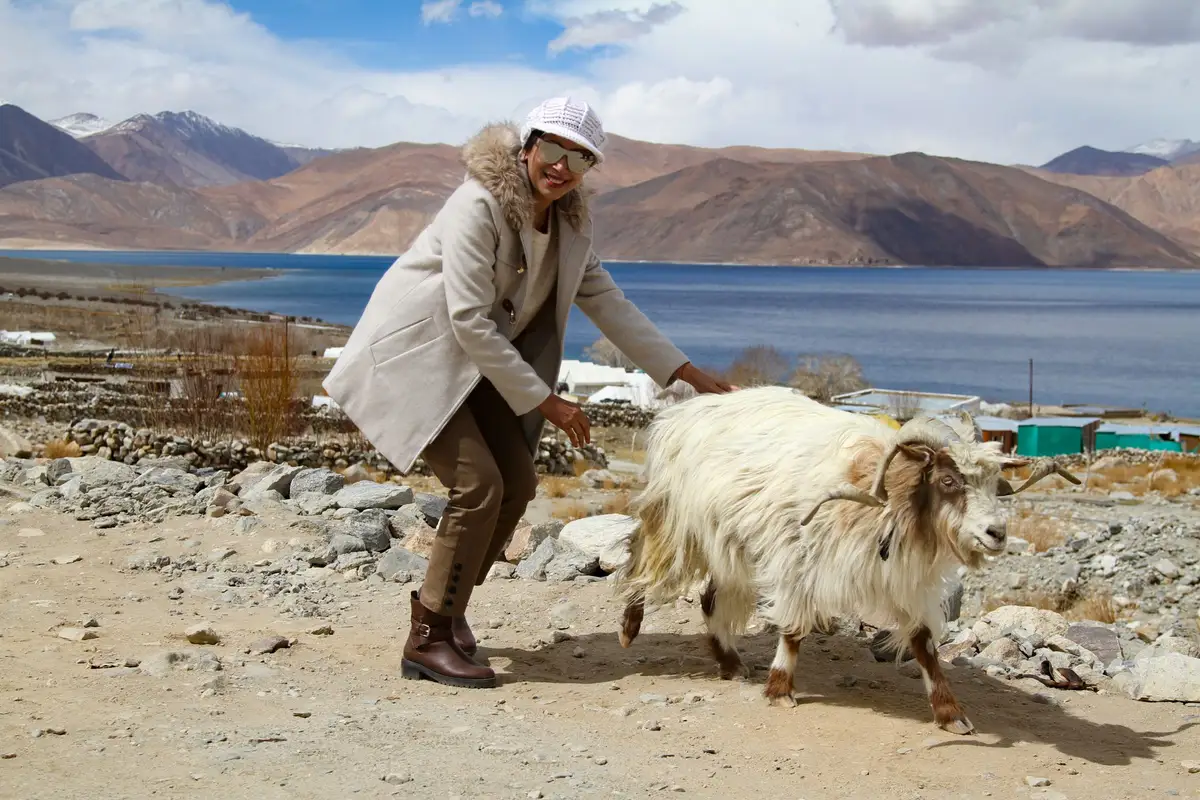
The fibre comes from the soft underfleece of goats raised at high altitude in Ladakh. It is combed out by hand in spring, when the goats moult. A single goat gives around 100 to 150 g of raw fibre a year, and after cleaning and dehairing, a good deal less. One plain shawl uses the year’s fleece of about three goats.
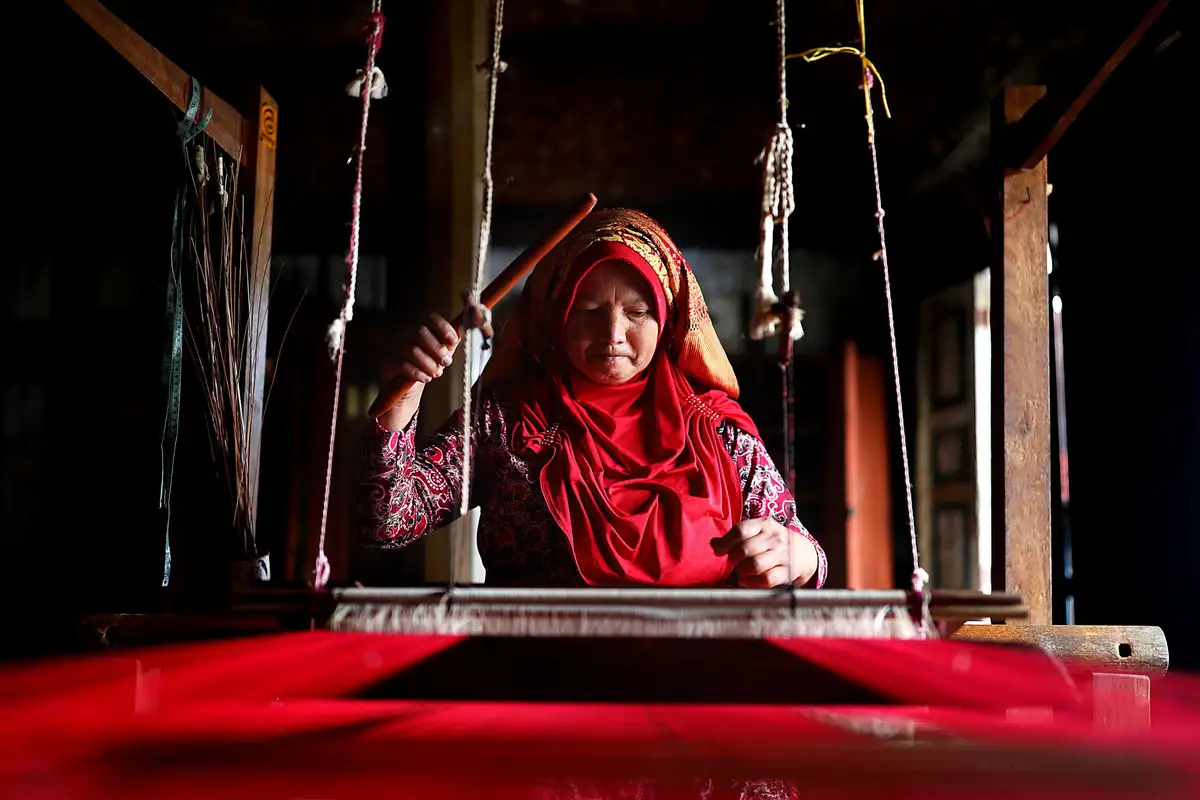
The cleaned fibre goes to Srinagar, where women spin it on charkhas. Spinning yarn this fine is slow: around a month of steady work for the yarn in one shawl. The weaver then sets up the loom and weaves for about three weeks. After that the shawl is washed, clipped and the fringe twisted by hand.
Of the ₹18,500, roughly ₹6,000 goes on the raw fibre, ₹4,500 to the spinners and ₹4,000 to the weaver and finishing. Travel to Srinagar, packing, courier and our counter in Amritsar account for the rest, with a margin that keeps the kothi open.
A shawl at ₹3,000 called pashmina is either machine-spun, a blend with silk or wool, or simply not pashmina. That shawl may still be lovely to wear. It should just be sold under its own name.
Keep reading
Colour, weight and embroidery: what to decide first when a shawl is going to the bride’s family.
What happens on the loom before a shawl reaches the counter in Amritsar.
From the first cold nights of November to the fog of January, a month-by-month guide.