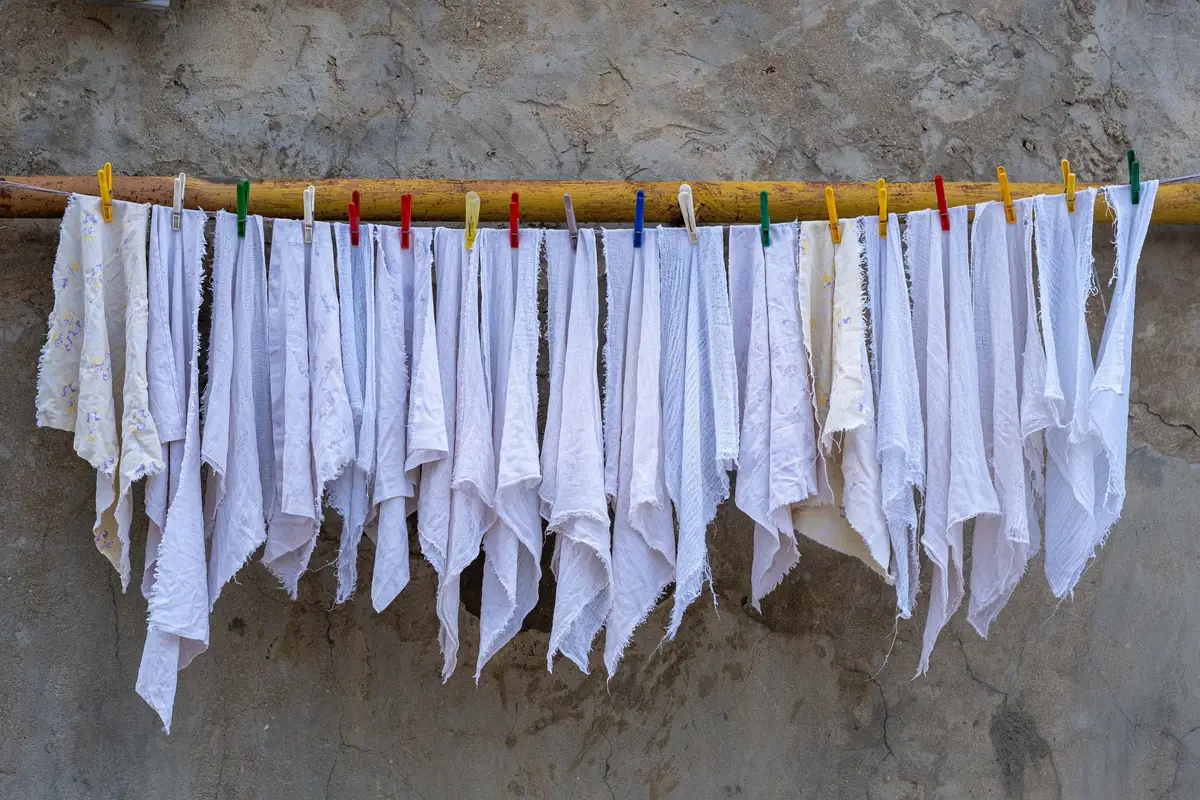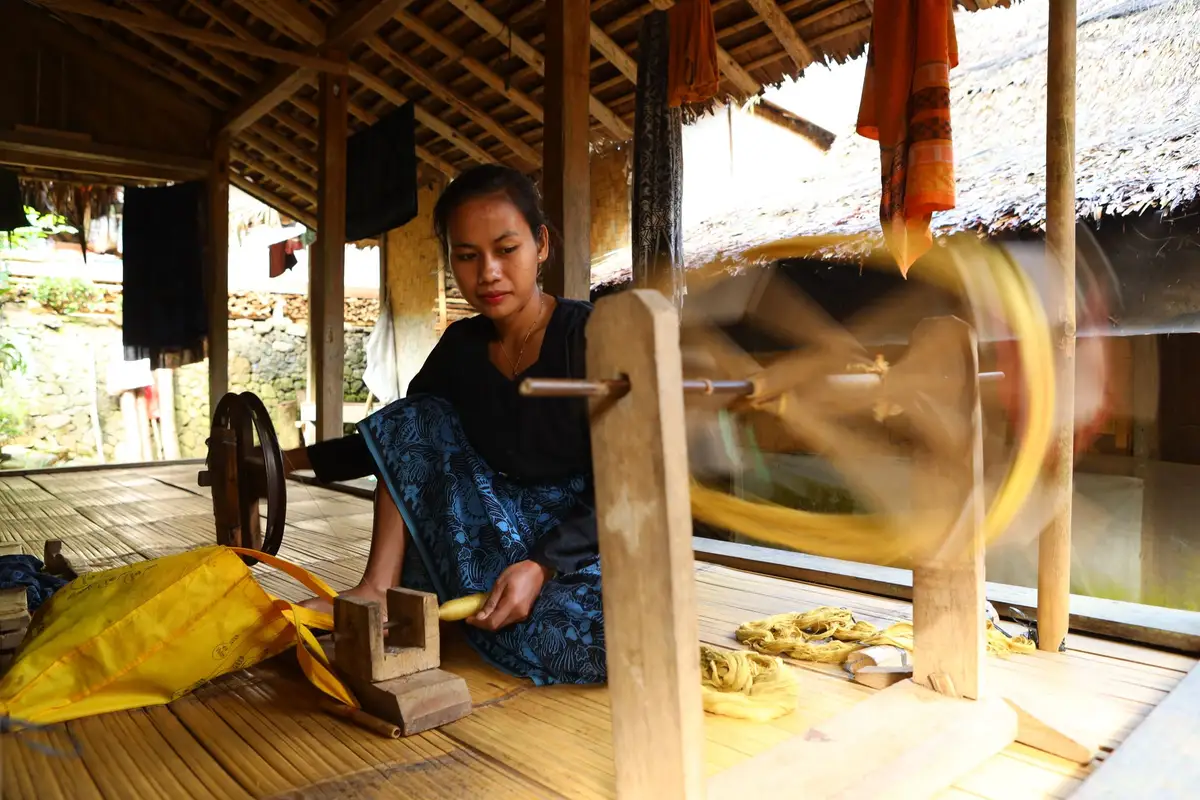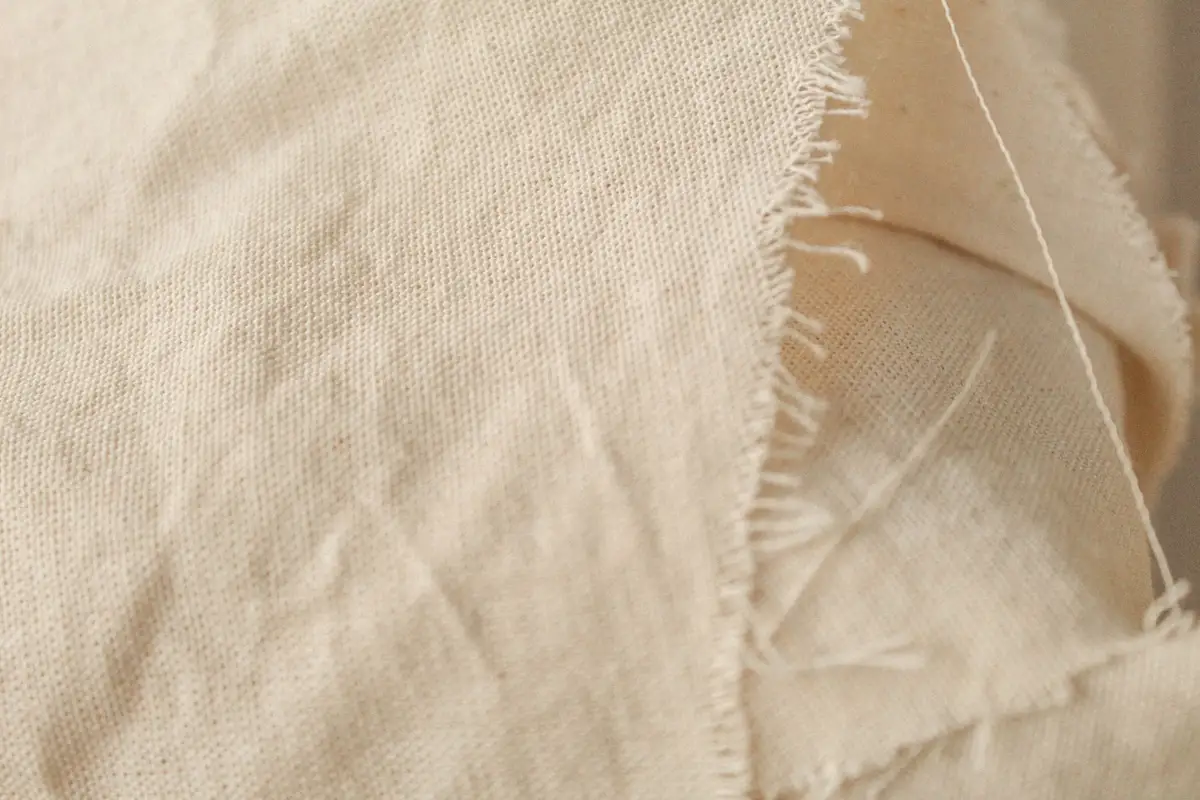
Khadi, handloom and powerloom: how to tell them apart
Three cloths that can look alike on a shelf, and what to check before you pay.
Hand-spun and handwoven · 10% off every Gandhi Jayanti week · Ships across India
41 Ashram Road, Navrangpura, Ahmedabad 380009
Mon–Sat · 10 am – 8 pm · Sun 10 am – 1 pm
Folds, airing and neem leaves: how to keep hand-spun sarees fresh from June to September.
Ahmedabad’s monsoon is short, but the damp it brings into cupboards can leave khadi with spots of mildew and a musty smell. A little care in June saves your sarees. First, make sure everything is completely dry before it goes into the cupboard. Khadi holds moisture in its thicker yarns, so a saree that feels dry on the surface may still be damp in the border. Give it an extra hour in a breezy room after drying.
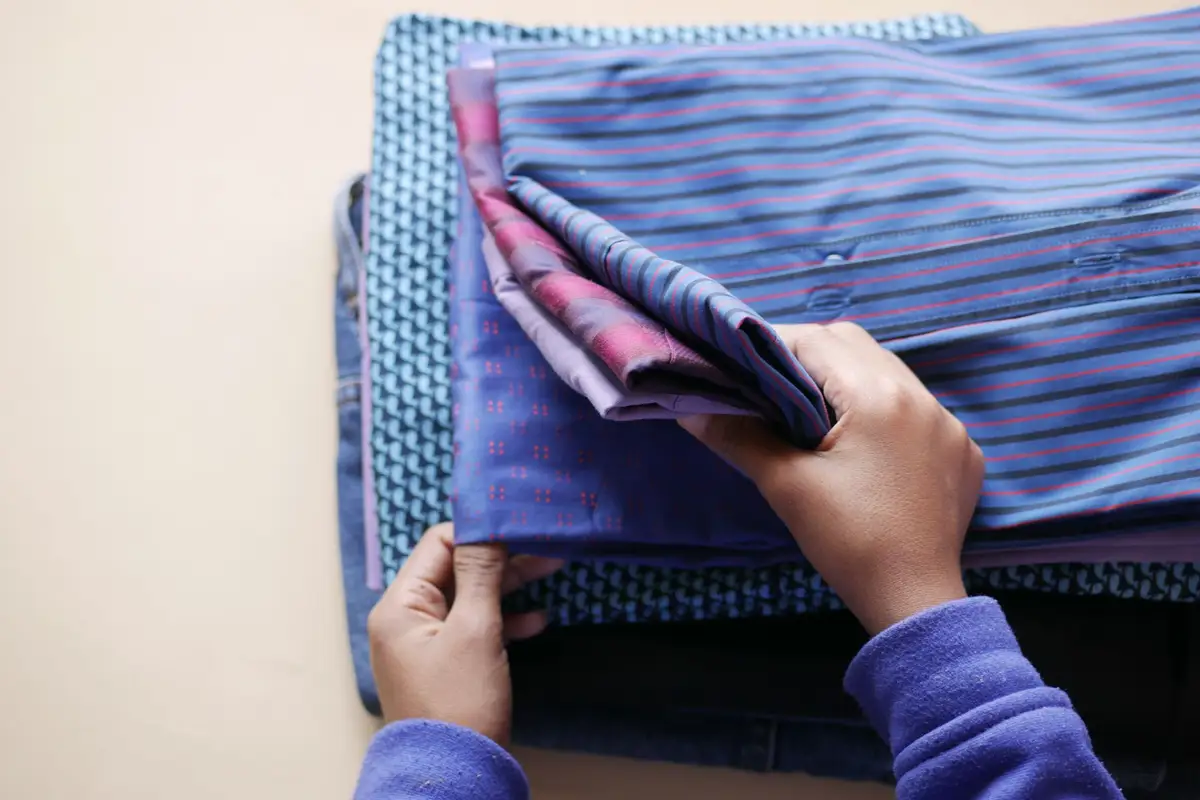
Fold sarees loosely, and wrap each one in a thin old cotton cloth or a muslin bag. Avoid plastic covers; they trap moisture and the cloth cannot breathe. Keep sarees on a middle or upper shelf, away from the outer wall of the house, which is the dampest part of a room.
Folds left in place for months weaken hand-spun yarn along the crease. Once a month, open each saree, shake it out and refold it a different way. Hang it in a shaded, airy spot for an hour while you are at it. For pests, we tuck a handful of dried neem leaves or a small cloth bag of cloves into each shelf. Naphthalene balls work too, but their smell clings to cotton, so keep them in a separate pouch and never touch them to the cloth.
If you do find mildew spots, wash the saree in cold water with mild soap and dry it in shade. Fresh spots usually lift; older stains may stay. When the rains end in September, air every piece for a day before Navratri.
Keep reading
Three cloths that can look alike on a shelf, and what to check before you pay.
Cold water, mild soap and a little starch keep khadi soft and crisp for years.
How a hank of yarn is spun, counted and paid for before it becomes cloth.