How to wash and care for khadi
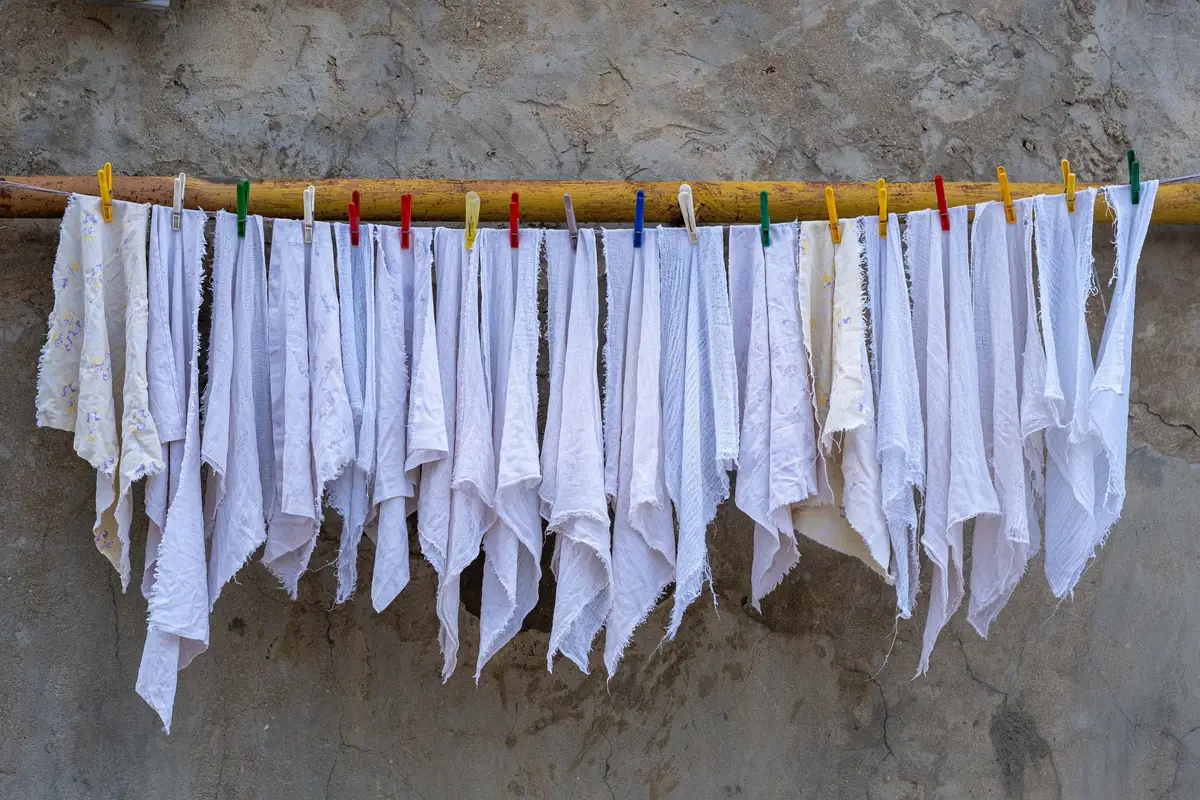
Cold water, mild soap and a little starch keep khadi soft and crisp for years.
Hand-spun and handwoven · 10% off every Gandhi Jayanti week · Ships across India
41 Ashram Road, Navrangpura, Ahmedabad 380009
Mon–Sat · 10 am – 8 pm · Sun 10 am – 1 pm
Three cloths that can look alike on a shelf, and what to check before you pay.
Many shops sell “khadi” that is neither hand-spun nor handwoven. The difference matters, both for the price and for the people who made the cloth.
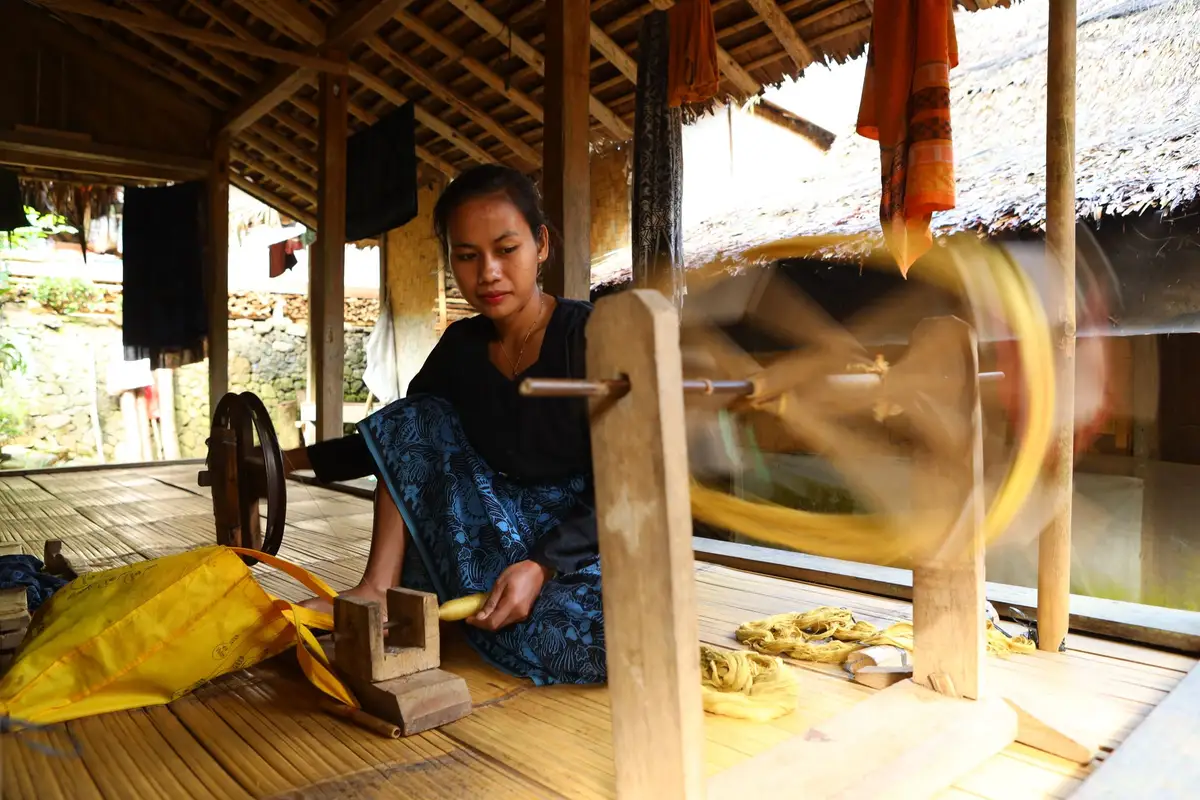
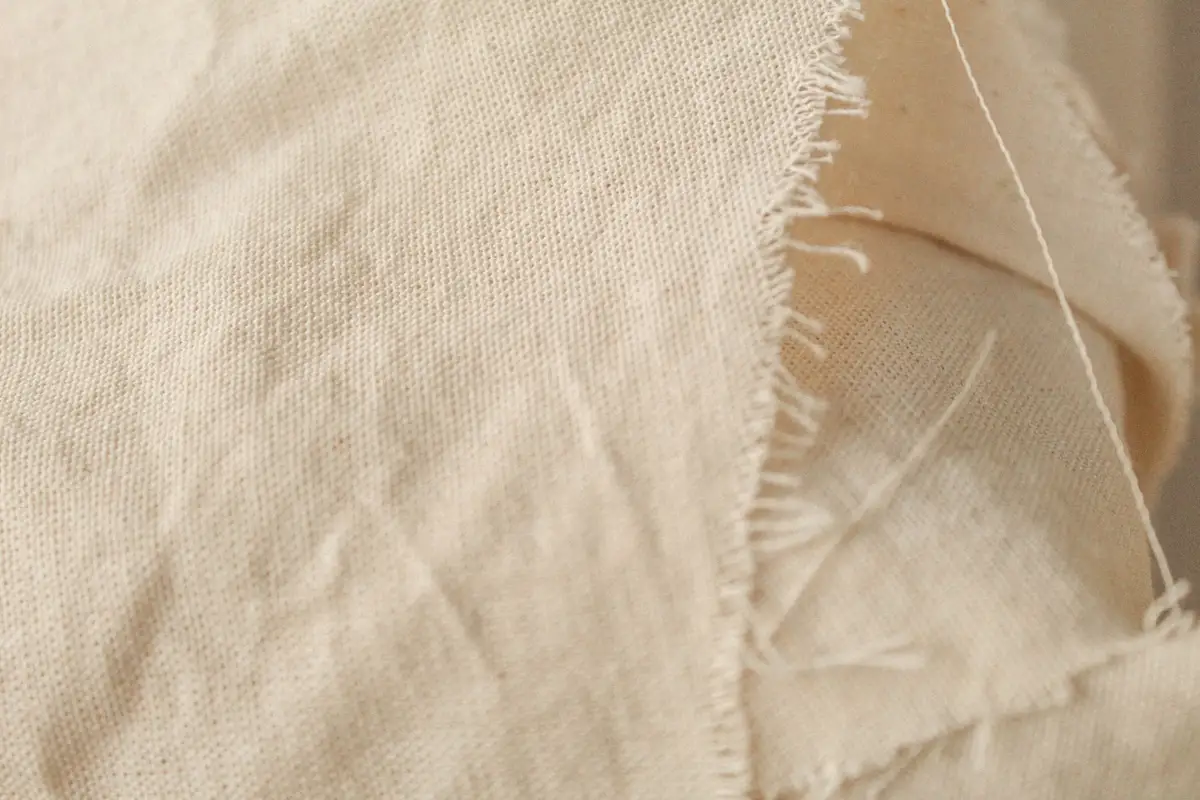
Khadi is spun by hand on a charkha and woven by hand on a loom. The yarn is slightly uneven, so the cloth has small slubs and variations in thickness. Hold it against the light and you will see the irregular texture. It breathes very well and softens with washing.
Handloom is woven by hand, but usually from mill-spun yarn. It is more even than khadi, and the edges often show small irregularities in the weave where the weaver threw the shuttle.
Powerloom cloth is woven by machine. It is perfectly even, the selvedge is straight and tight, and it is much cheaper. Powerloom fabric printed to look like khadi is common.
The simplest test is to ask where the yarn was spun and who wove it. A shop that sells real khadi will know the village and can tell you.
Keep reading
Cold water, mild soap and a little starch keep khadi soft and crisp for years.
How a hank of yarn is spun, counted and paid for before it becomes cloth.
Yarn count, weight and border: what to look at before you buy a saree you will wear in May.