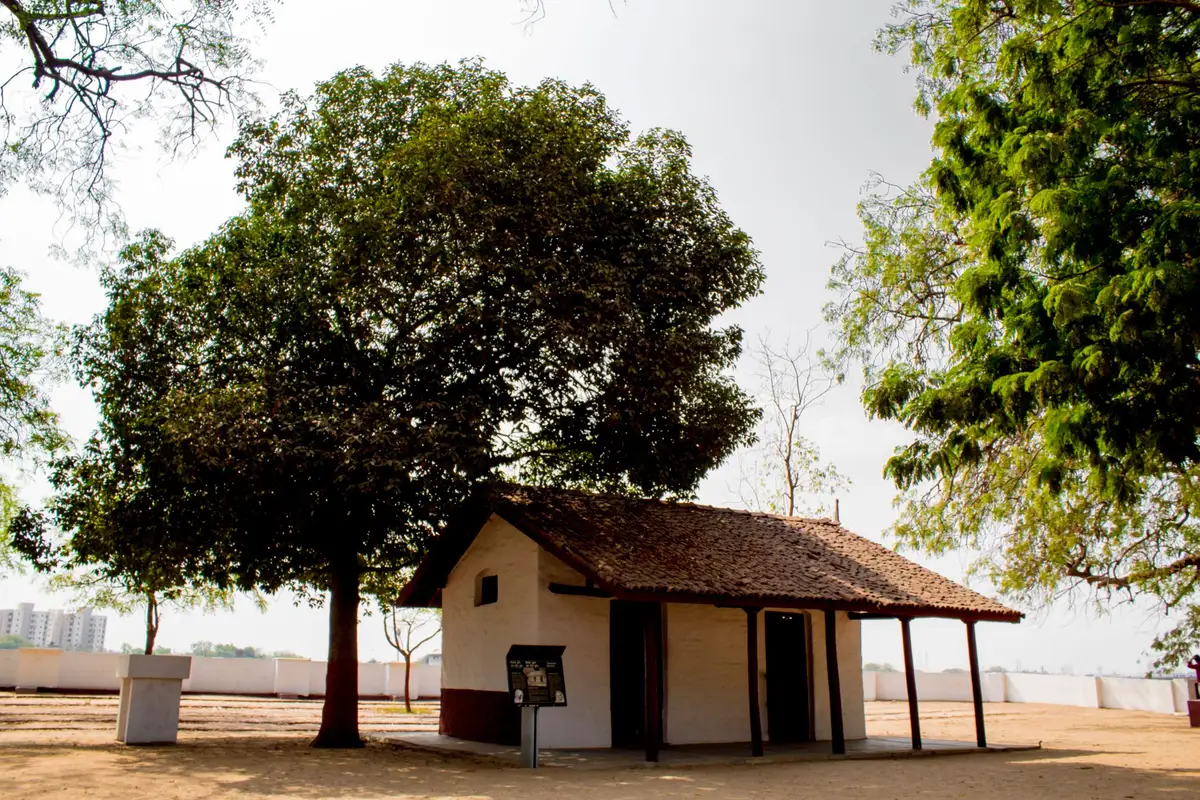
A khadi walk from the Sabarmati Ashram to Ashram Road
A half-day route through the Ahmedabad of Gandhi and the charkha, ending at our shop.
Hand-spun and handwoven · 10% off every Gandhi Jayanti week · Ships across India
41 Ashram Road, Navrangpura, Ahmedabad 380009
Mon–Sat · 10 am – 8 pm · Sun 10 am – 1 pm
Common doubts we hear at the counter about hand-spun cloth, and what actually happens when you wear it.
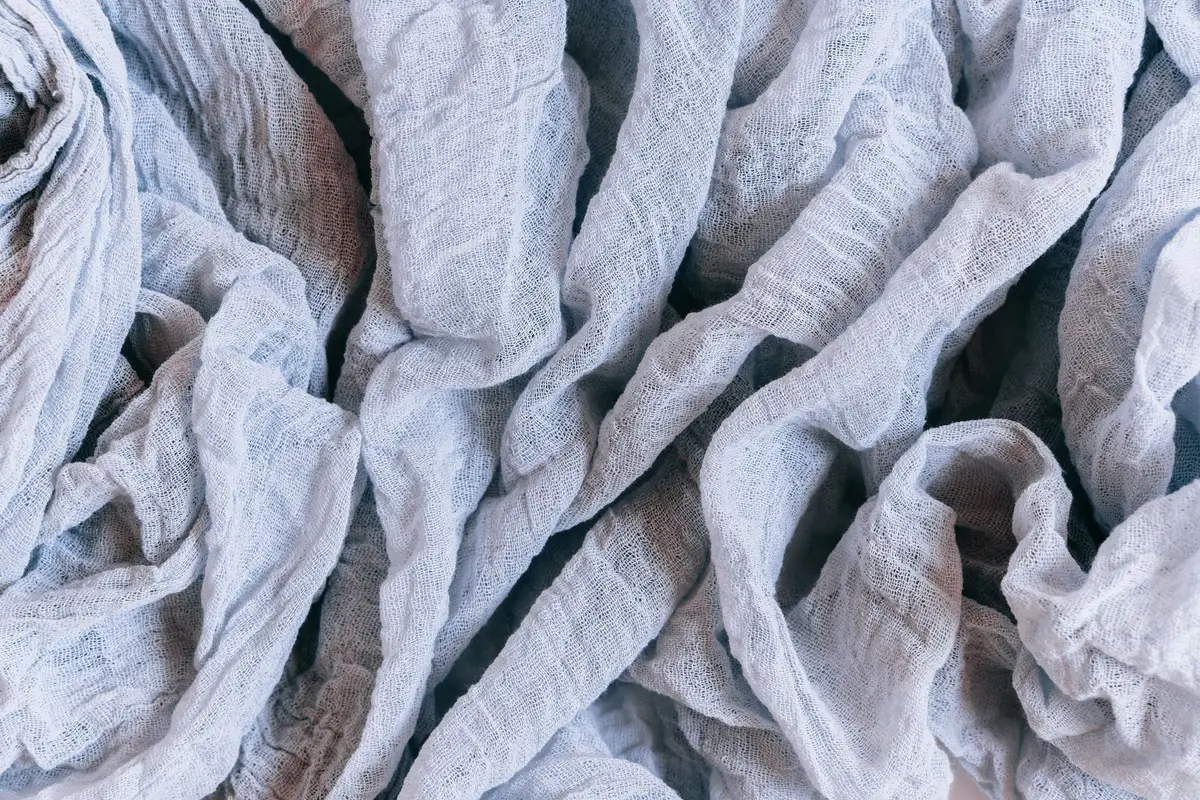
Customers who have not worn khadi before usually arrive with one of four worries. Here are honest answers.
“Khadi is rough on the skin.” New khadi can feel stiff, partly because of the sizing used on the loom and partly because hand-spun yarn has small slubs. After two or three washes the sizing goes and the fibres relax. Most of our regular customers say their khadi feels best in its second year. “Khadi is only for summer.” Khadi breathes well, which is why it is loved in May, but a heavier weave in 20s or 30s count is surprisingly warm. In December and January many people in Ahmedabad wear a thick khadi kurta with a sleeveless jacket or a shawl. Cotton quilts covered in khadi are also common in Kutch winters.
“It creases too much.” It does crease, like any natural cotton. Iron it while slightly damp and use a light rice starch if you want a crisp finish. Some people like the soft, lived-in look of uncreased khadi and simply let it be. “The colour will run everywhere.” Natural indigo does bleed a little in the first washes. Wash it alone in cold water with a spoon of salt, and after three or four washes the water runs almost clear. Undyed khadi has no dye to lose at all.
If you are still unsure, buy one metre of fabric for ₹320 and wash it a few times. It is the cheapest way to find out how khadi will feel for you.
Keep reading
A half-day route through the Ahmedabad of Gandhi and the charkha, ending at our shop.
Folds, airing and neem leaves: how to keep hand-spun sarees fresh from June to September.
Three cloths that can look alike on a shelf, and what to check before you pay.