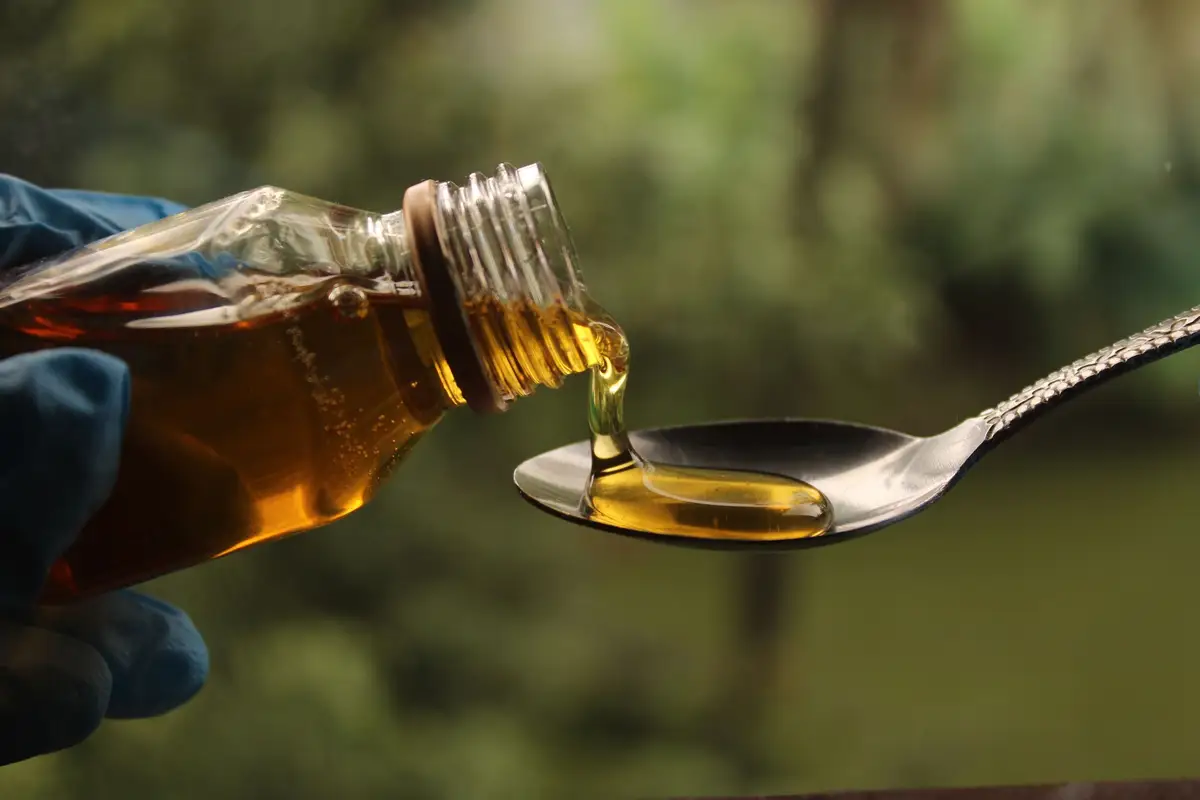
How to choose ghee: colour, grain and smell
What a good jar looks like, why colour changes with the seasons, and what the grain does and does not tell you.
Fresh dairy delivered in Rajkot every morning · Ghee shipped across India
7 Amin Marg, near Kotecha Chowk, Rajkot 360001
Daily · 7 am – 1 pm, 5 – 9 pm · Farm on Sundays
Twenty-eight litres of milk, two days and a wood fire: an honest breakdown of what goes into one jar.
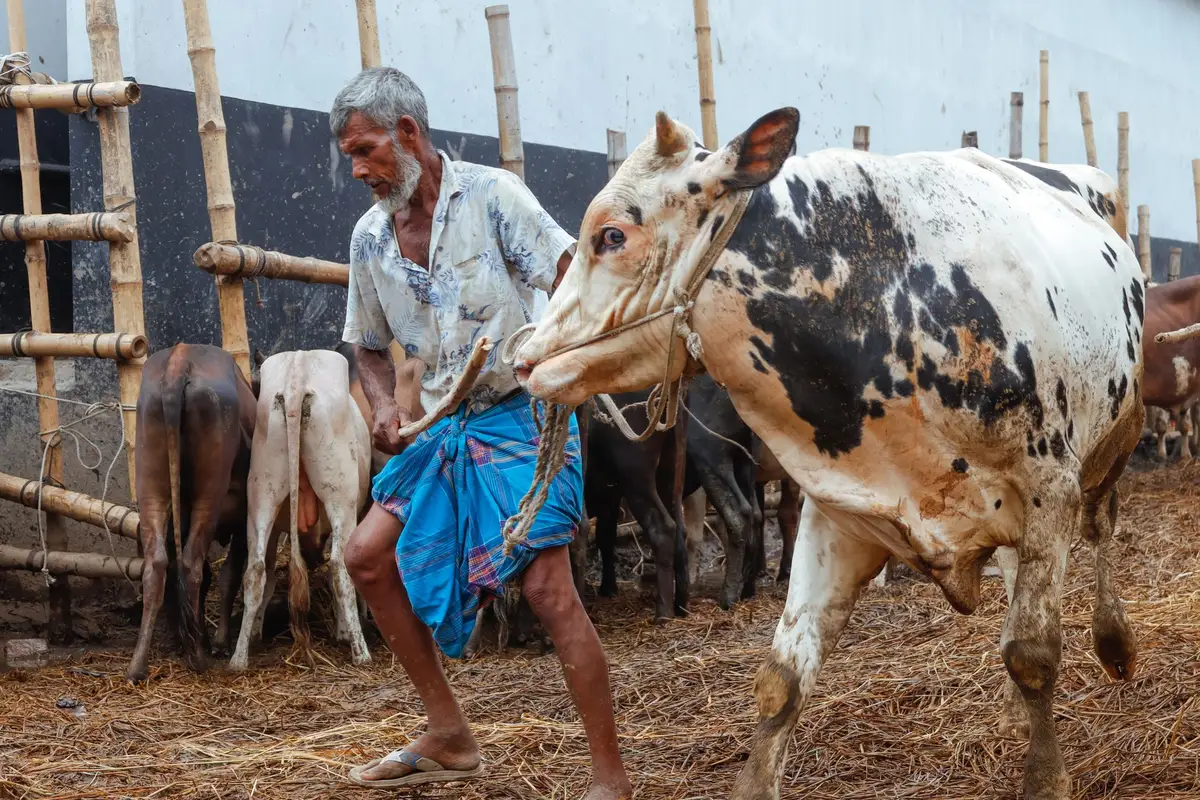
People sometimes ask why our ghee costs three times what a supermarket tin does. The short answer is milk. A Gir cow on our farm gives eight to ten litres a day, and it takes about 28 litres of her milk to make one litre of bilona ghee. Ghee made from cream separated by machine needs far less milk, because the cream comes from much larger volumes.
Those 28 litres would sell as milk in Rajkot for about ₹2,000. Then come the people: two helpers for the churning and cooking, a morning of work for each batch. Wood for the fire, clay pots that crack and need replacing, jars, labels and courier packing add around ₹300 a litre.
The chaas left after churning is sold separately, which brings the cost down a little. That is how we arrive at ₹2,780 for a litre and ₹1,450 for 500 ml. The small jar costs slightly more per gram because the jar and packing cost almost the same.
We do not run sales on ghee. The price changes once a year, in April, when we work out fodder and labour for the coming year, and we tell our WhatsApp list a month before it does.
Keep reading
What a good jar looks like, why colour changes with the seasons, and what the grain does and does not tell you.
Dates, quantities and how to plan gift boxes so they arrive before Dhanteras.
Why lunch in Saurashtra ends with a steel glass of buttermilk, and how we spice ours.