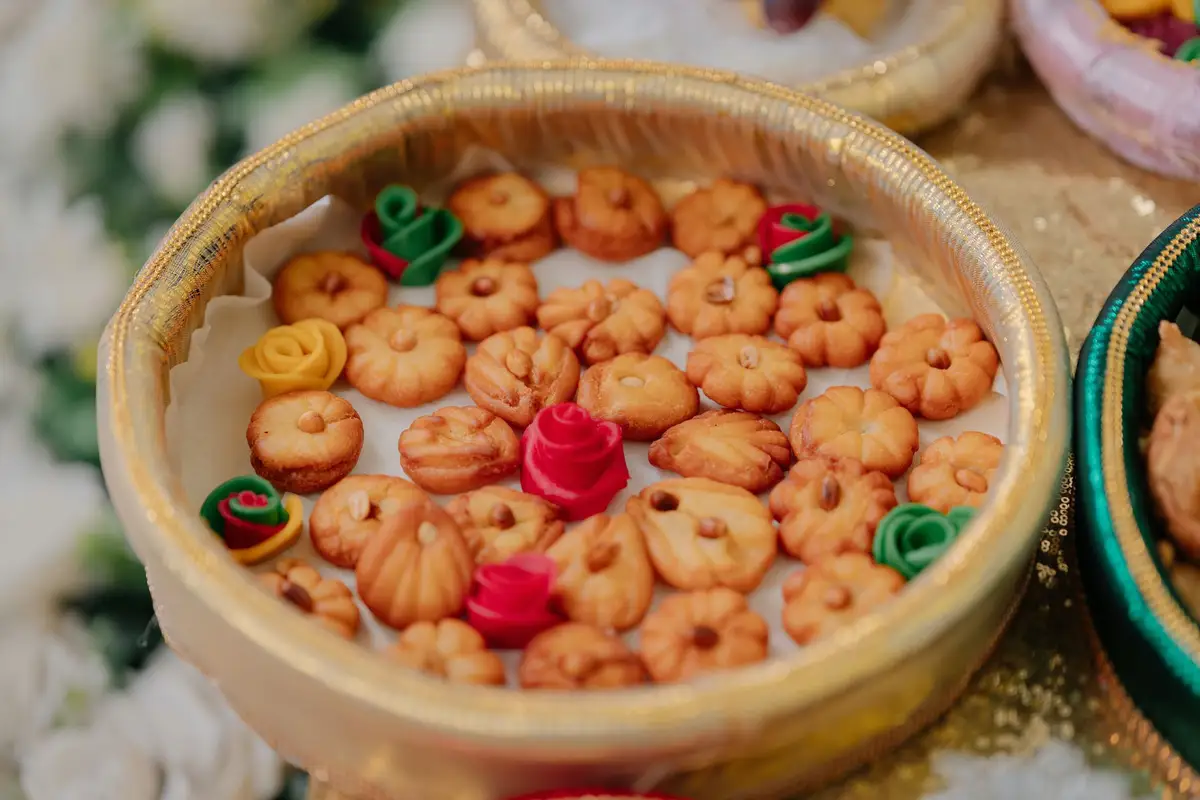
Ordering ghee and pedas for Diwali
Dates, quantities and how to plan gift boxes so they arrive before Dhanteras.
Fresh dairy delivered in Rajkot every morning · Ghee shipped across India
7 Amin Marg, near Kotecha Chowk, Rajkot 360001
Daily · 7 am – 1 pm, 5 – 9 pm · Farm on Sundays
What a good jar looks like, why colour changes with the seasons, and what the grain does and does not tell you.
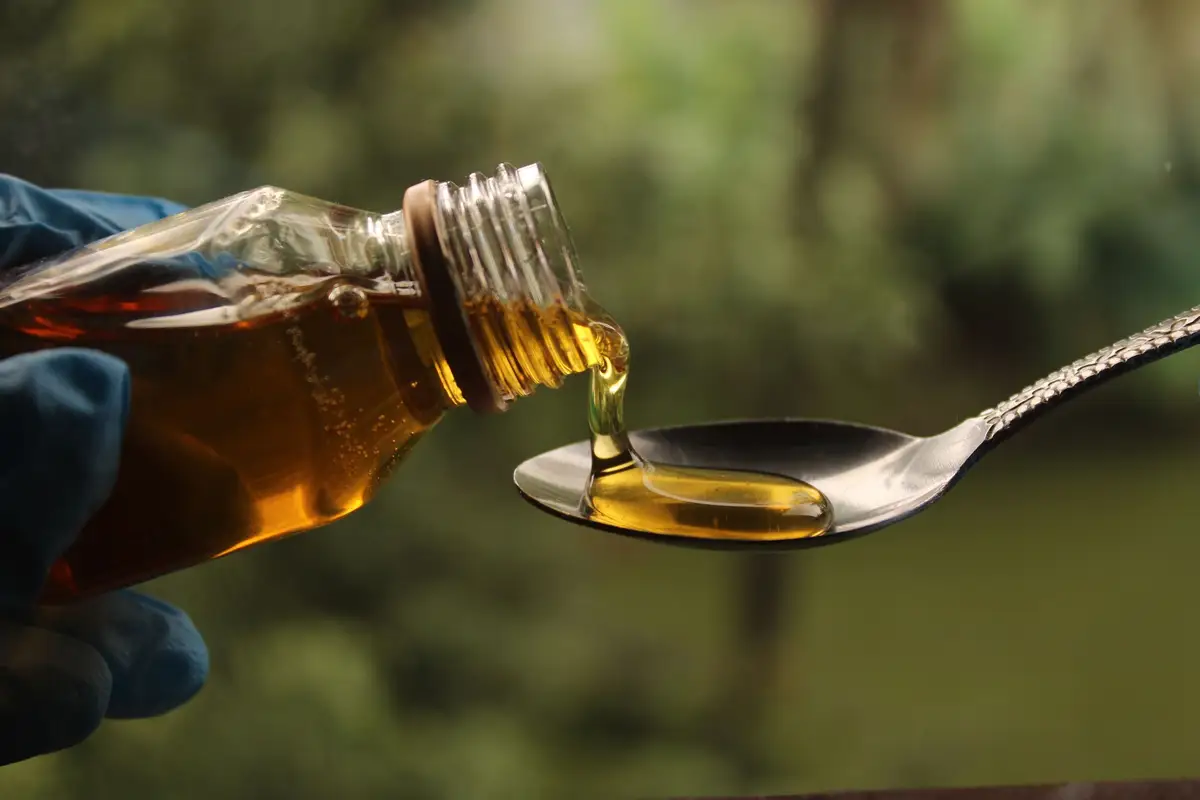
Open a jar of good ghee and the first thing you notice should be the smell: warm, nutty, a little like caramel. If it smells of nothing, or smells sharp, the makhan was either undercooked or old when it went onto the fire.
Colour depends on what the cows eat. After the monsoon, when they graze on green grass, our ghee is a deep yellow. In April and May, on dry fodder, it turns pale, almost cream. Both are the same ghee. A ghee that is bright yellow all year round is worth asking about.
Grain, the small crystals called danedar, forms when ghee cools slowly. Ours is grainy from November to February and smooth in summer. The grain tells you something about how it was cooled, not about whether it is pure. Some sellers stir ghee as it cools to force the grain.
Finally, taste a little on its own. It should taste clean and rich, with a faint tang from the curd in bilona ghee. Any burnt bitterness means the fire was too high. If you are in Rajkot, come to the shop and taste from three different batches side by side. You will notice the difference between a winter and a summer jar.
Keep reading
Dates, quantities and how to plan gift boxes so they arrive before Dhanteras.
Why lunch in Saurashtra ends with a steel glass of buttermilk, and how we spice ours.
A common worry, answered: what grain in ghee means, and what it does not.