Choosing cloth for a Delhi year
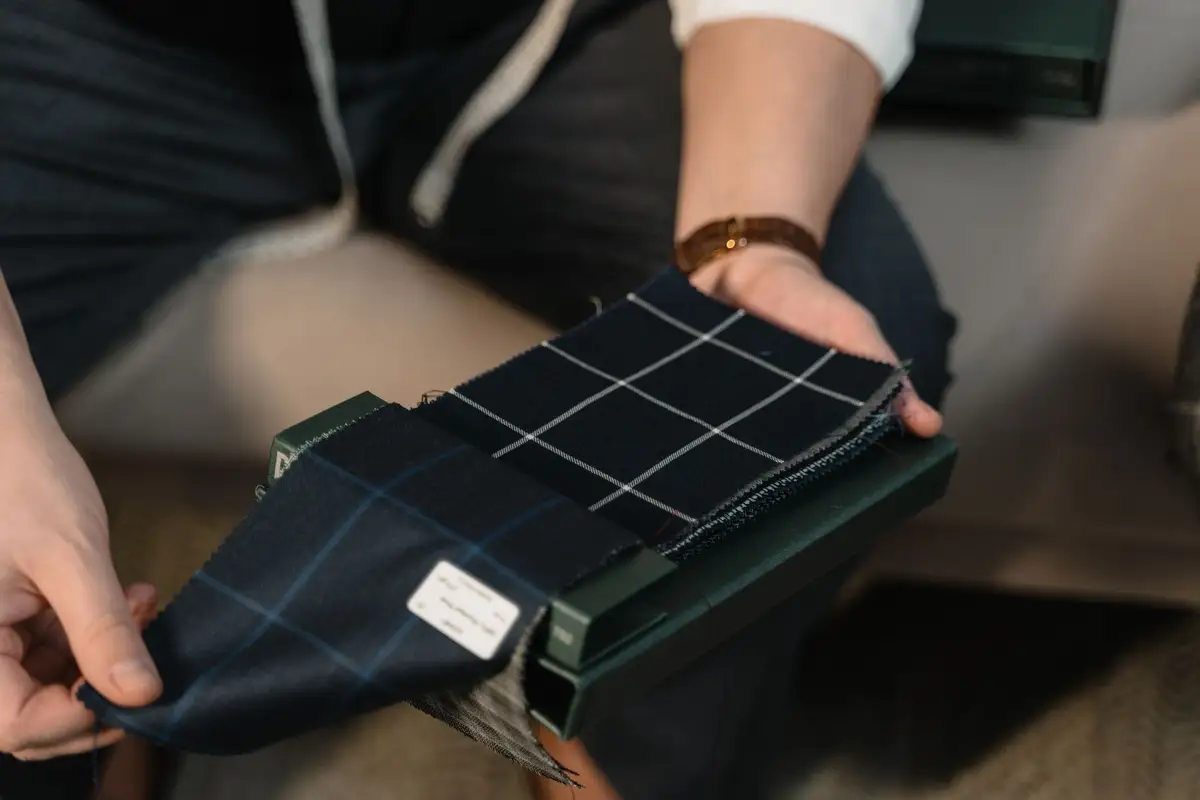
From a 2 °C January morning to a 45 °C May afternoon: the weights and weaves that cope with Delhi.
Wedding season fittings for November to February are open · Shahpur Jat, by appointment
28 Shahpur Jat, near Asiad Village, New Delhi 110049
Tue–Sun · 11 am – 8 pm · by appointment
The layer you never see decides how a jacket drapes and how long it lasts. Here is how the two methods differ.
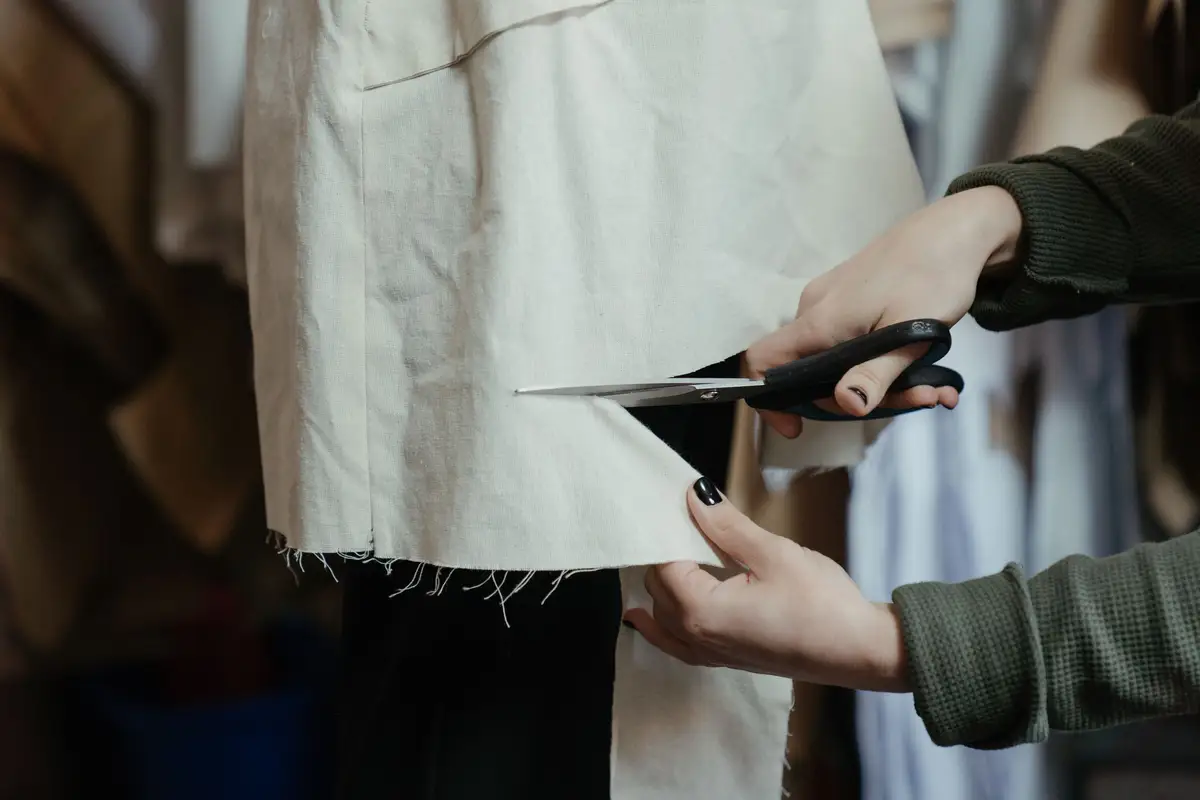
Inside the front of every tailored jacket is a layer that gives it shape. In most ready-made jackets that layer is fused: glued to the cloth with heat. It is quick and consistent, but the glue stiffens the front, and over time and dry-cleaning it can bubble.
A canvassed jacket uses a layer of horsehair and wool canvas that floats between the cloth and the lining, held in place by thousands of small stitches. Because it is not glued, the front moves with you and slowly takes the shape of your chest.
In a half-canvas jacket the canvas runs through the chest and lapels, where shape matters most, and the lower front is lightly fused. It gives most of the drape at a lower cost, and it is what most of our suits use. A full-canvas jacket carries the canvas all the way to the hem. The lapel is padded by hand with rows of tiny stitches so it rolls rather than lies flat.
The difference is about 25 hours of hand work, and around ₹40,000 in price for the same cloth. For a suit worn twice a week for many years, full canvas makes sense. For a first suit, or a linen one for summer, half canvas is usually the better choice.
Keep reading
From a 2 °C January morning to a 45 °C May afternoon: the weights and weaves that cope with Delhi.
Sherwani, bandhgala, a suit for the reception: what to order, and when, for a winter wedding.
Damp, not wear, is what ruins a good suit in Delhi. A few habits keep it in shape.