Combed or carded: which yarn for your fabric
Combing costs more and loses fibre. Here is when it is worth it.
Mill-direct yarn for knitters and weavers · Minimum order 1 tonne · Despatch from Salem
SF 118/2, Omalur Main Road, Karuppur, Salem 636012
Office Mon–Sat · 9 am – 6 pm · mill runs 24 hours
What count CV, CSP, U% and imperfections tell you about how a yarn will run.
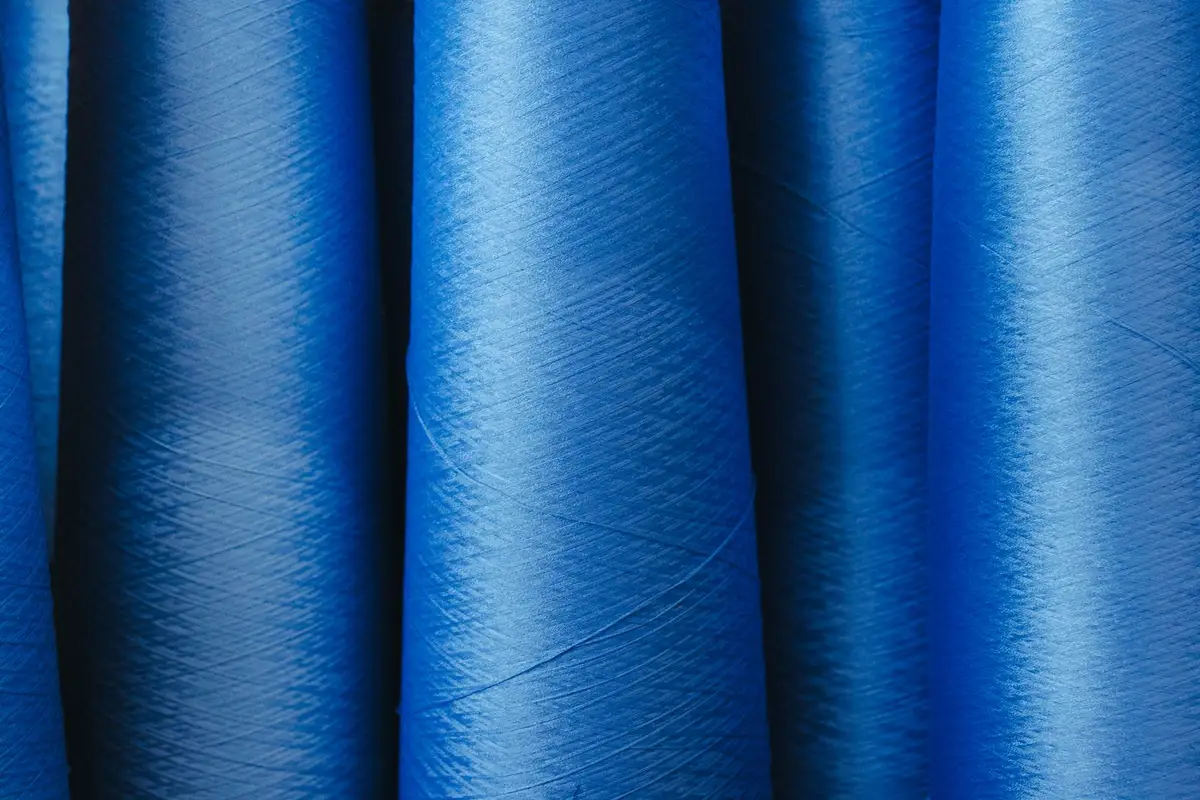
Every lot that leaves our mill carries a one-page lot sheet with our own readings. Most buyers look at the count and file it. A few minutes more with it can save a production run.
Start with count CV. It tells you how much the count varies from cone to cone. Below 1.5% is good for knitting; above 2.5% you may see barre, faint horizontal stripes, in dyed fabric. CSP, the count strength product, is a measure of strength. For 40s combed knitting yarn we aim above 2,600.
U% measures evenness along the length of the yarn. Lower is better; for 40s combed, around 9% is normal. Imperfections are counted per kilometre as thin places, thick places and neps. A high nep count shows up as white specks after dyeing, so it matters most for dark shades.
Hairiness affects pilling and how clean the fabric looks. Compact spinning lowers it, which is why we spin our knitting counts on compact frames. If two sheets look similar, ask for a knitted sample from each lot. Your machine and your dye house will tell you more than any number.
Keep reading
Combing costs more and loses fibre. Here is when it is worth it.
Why yarn prices move between October and March, and how to plan around it.
Moisture, sunlight and stacking height: how to keep yarn running well between delivery and the knitting floor.