How the cotton season sets your yarn price
Why yarn prices move between October and March, and how to plan around it.
Mill-direct yarn for knitters and weavers · Minimum order 1 tonne · Despatch from Salem
SF 118/2, Omalur Main Road, Karuppur, Salem 636012
Office Mon–Sat · 9 am – 6 pm · mill runs 24 hours
Combing costs more and loses fibre. Here is when it is worth it.
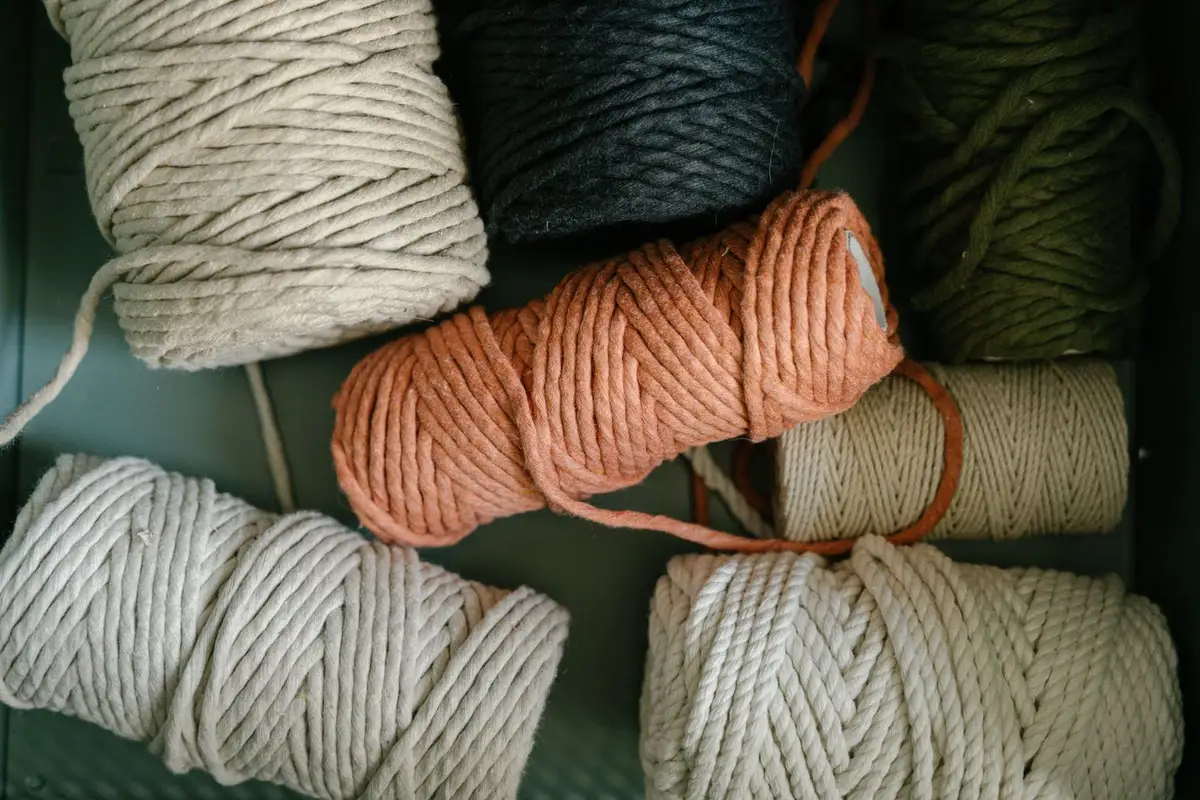
Every bale of cotton is carded. Carding opens the fibres and lays them roughly parallel. Combing is an extra step: it removes the shortest fibres, about 15–18% of the weight, and straightens what is left.
The result is a smoother, stronger, more even yarn with fewer neps. It dyes more evenly and pills less. That is why combed yarn is used for fine counts, light shades and fabric that sits next to the skin, like T-shirts, babywear and shirting.
Carded yarn costs less and has more character. It suits coarser counts, heavier fabric, towels, denim and basics where a slight texture is welcome. A carded 30s single jersey for a promotional T-shirt makes sense. A combed 40s is better for a brand that sells on handfeel.
If you are unsure, ask us for both. We will send cones of each in the same count so you can knit them on your own machine and compare the fabric after washing. The difference in price is usually ₹20–30 a kilogram, and the right choice depends on what your customer notices.
Keep reading
Why yarn prices move between October and March, and how to plan around it.
Moisture, sunlight and stacking height: how to keep yarn running well between delivery and the knitting floor.
Three ways to spin cotton, how the yarns differ in strength, hairiness and cost, and which suits your fabric.