What to expect at a private diamond viewing
How long it takes, what we lay out, what to bring and what you will understand by the end of an hour.
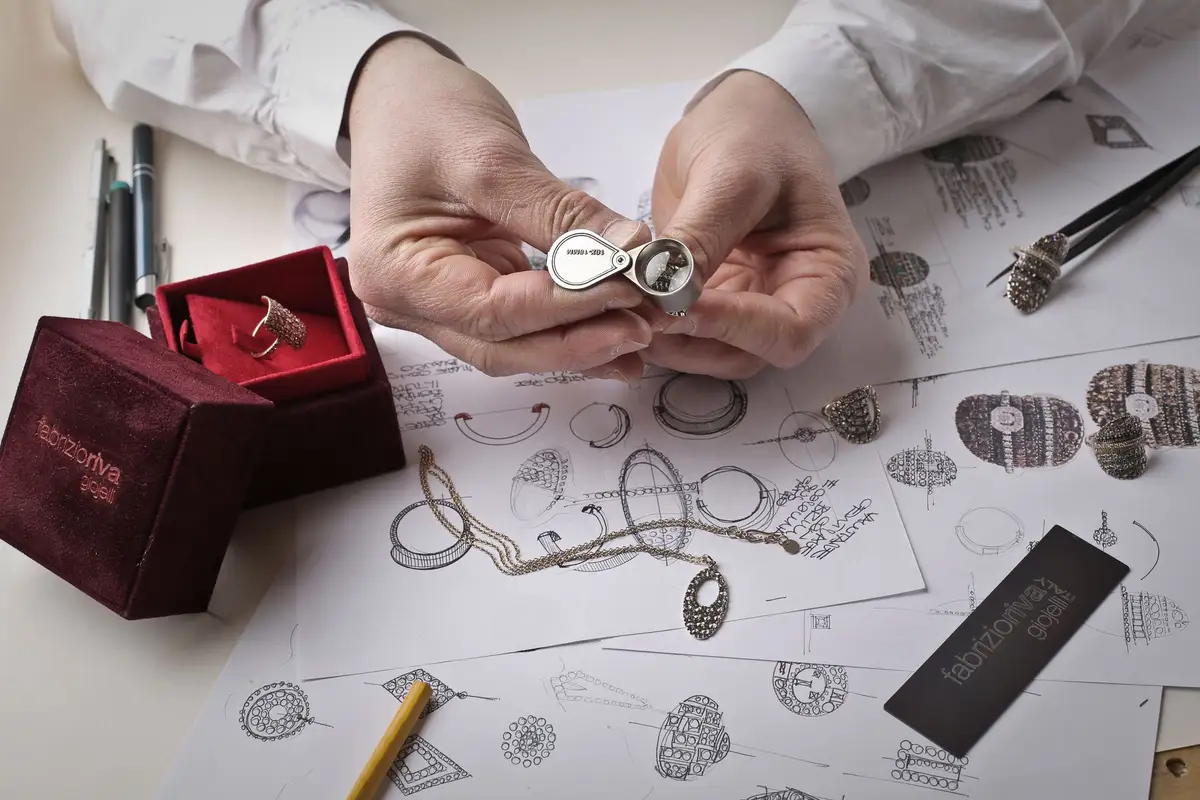
Every stone shown under a loupe before you pay · Natural and lab-grown, clearly labelled
14 Ghod Dod Road, Athwalines, Surat 395007
Mon–Sat · 11 am – 8 pm · Sun by appointment
What a diamond is worth after you buy it, why resale is lower than you expect, and how our exchange works.
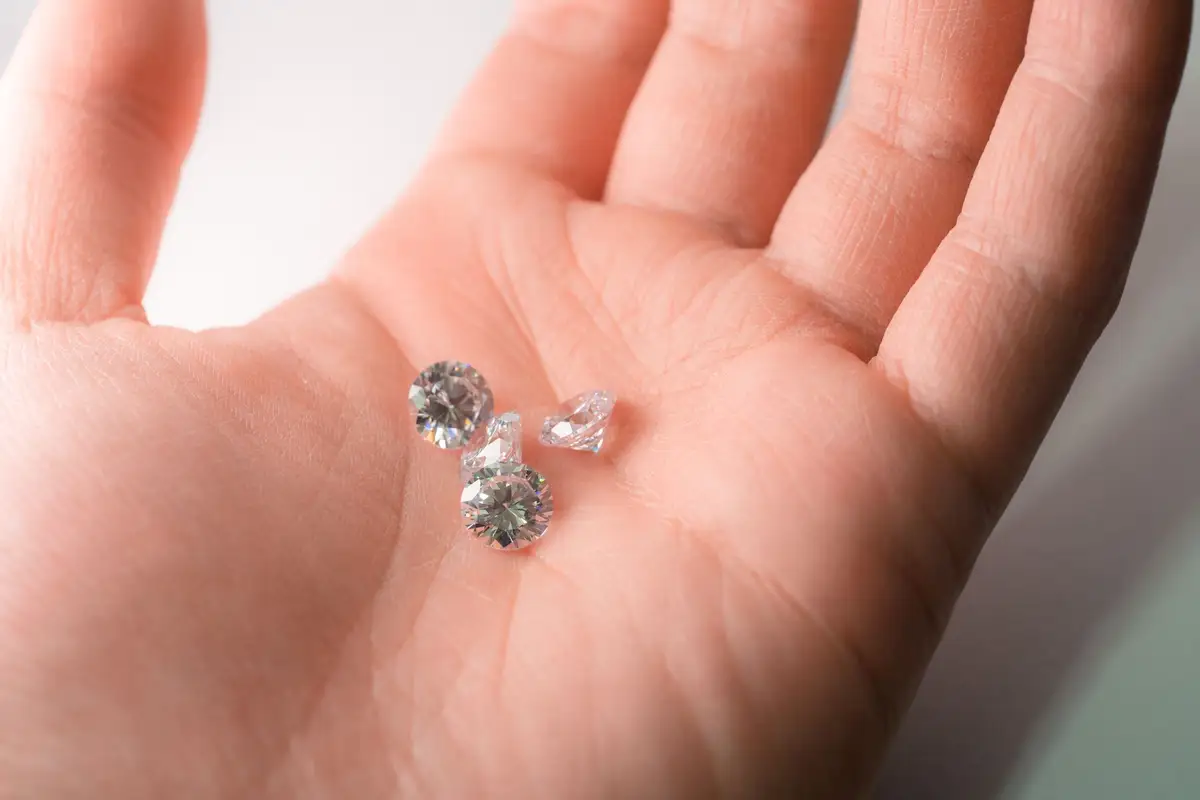
Customers sometimes tell us they are buying a diamond partly as an investment, the way families buy gold. We think it is fairer to explain how diamond value really behaves before you spend.
Gold has a single daily price that every jeweller in India follows, so selling it is simple. Diamonds do not. Each stone is priced on its own weight, colour, clarity and cut, and a buyer will offer you the wholesale price, not the retail price you paid. For a natural stone, that usually means getting back 50 to 70 per cent of the purchase price, depending on size and grade, and less for small stones under 0.30 ct.
Lab-grown diamonds are different again. Their prices have fallen steadily as production has grown, so a lab-grown stone bought today will almost certainly be worth less in five years. That does not make it a poor choice for a ring you love; it simply means it is not a store of value.
What we can offer is an exchange. Any Tapti diamond can be brought back at any time and its current value counted against a new piece, so you pay only the difference. Bhavesh from Vadodara did this with his wife’s pendant after ten years. It is a fair way to upgrade, but it is not the same as selling for cash. Our view: buy a diamond because you want to wear it. If your aim is to save for the future, gold coins or a bank deposit will serve you better.
Keep reading
How long it takes, what we lay out, what to bring and what you will understand by the end of an hour.
When to order so a ring or pair of studs is ready in time, and what tends to sell out in October and November.
How a ring price splits between stone, gold and making, and what one lakh gets you in natural and lab-grown.