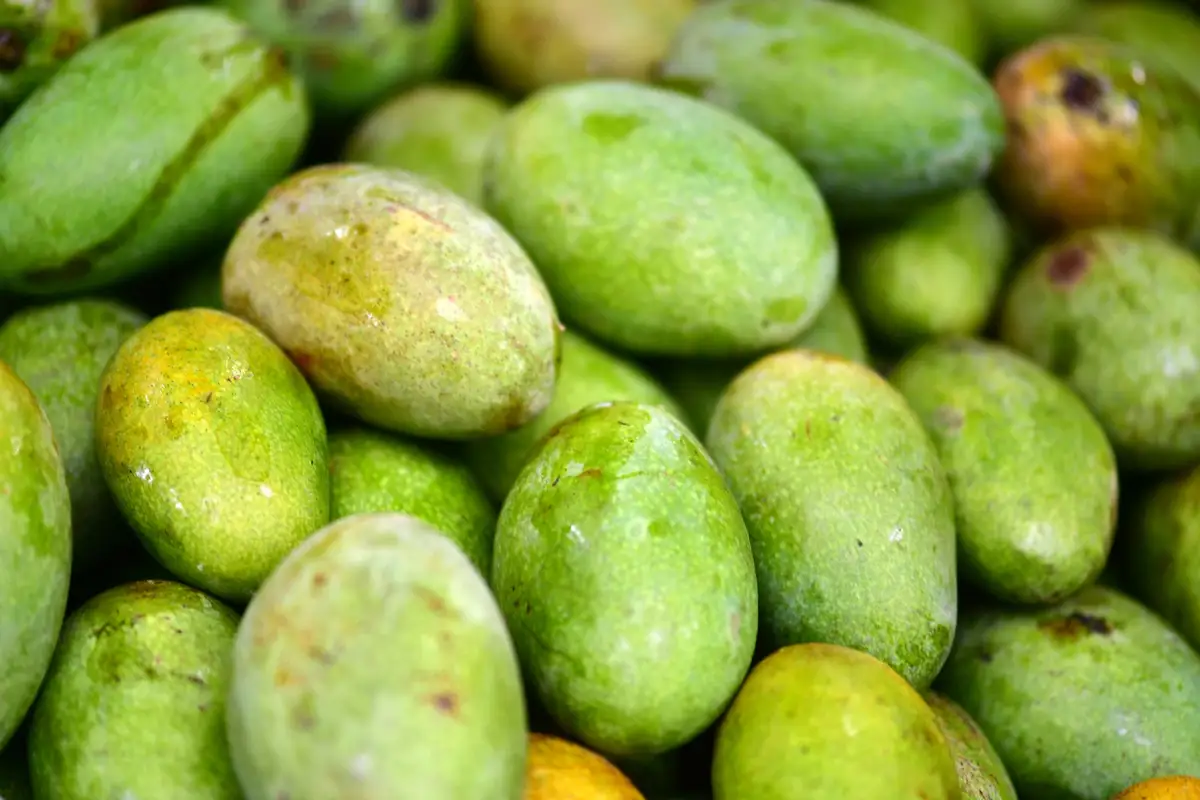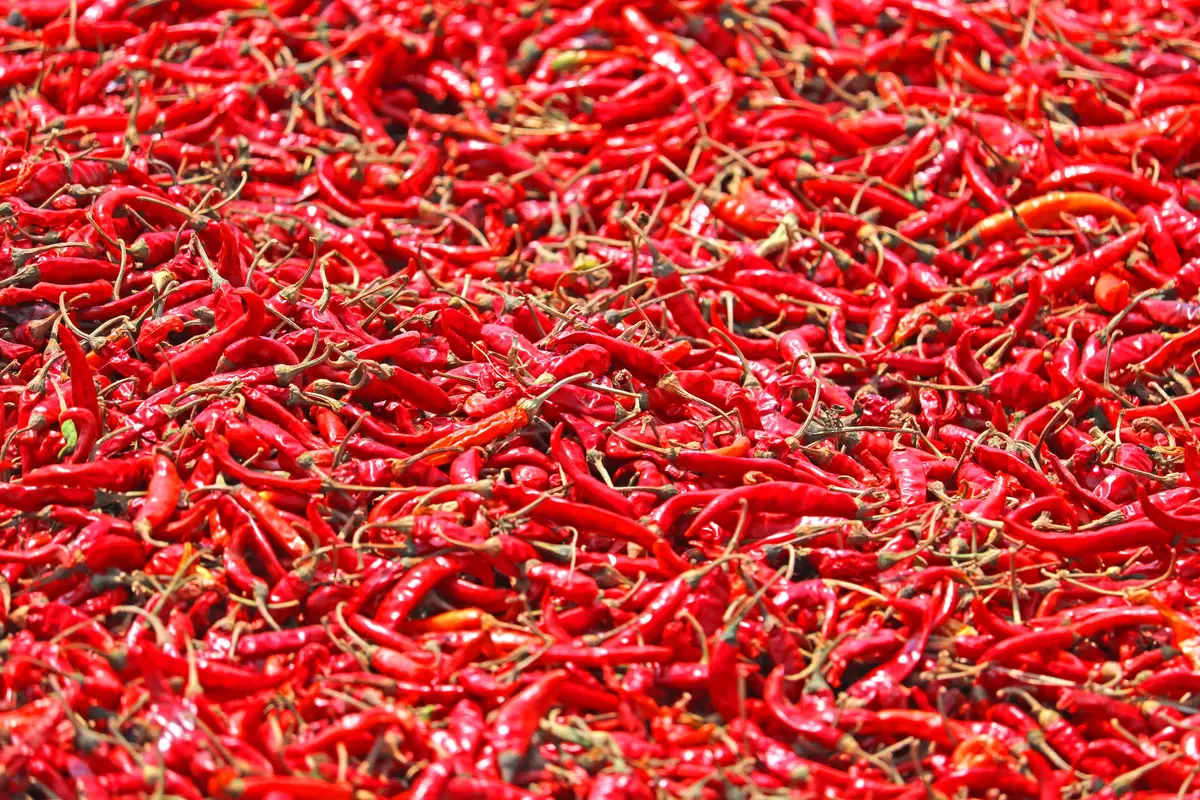
Mangoes, chillies and oil: a buyer’s walk around Vijayawada
Where our ingredients come from, and where to buy your own if you make pickle at home this summer.
This summer’s avakaya is ready · Shipped in leak-proof jars across India
27-14-52 Eluru Road, Governorpet, Vijayawada 520002
Mon–Sat · 9 am – 8 pm · Sun 9 am – 1 pm
Bright red in June, brick red by December: what changes inside a jar of avakaya, and when to worry.
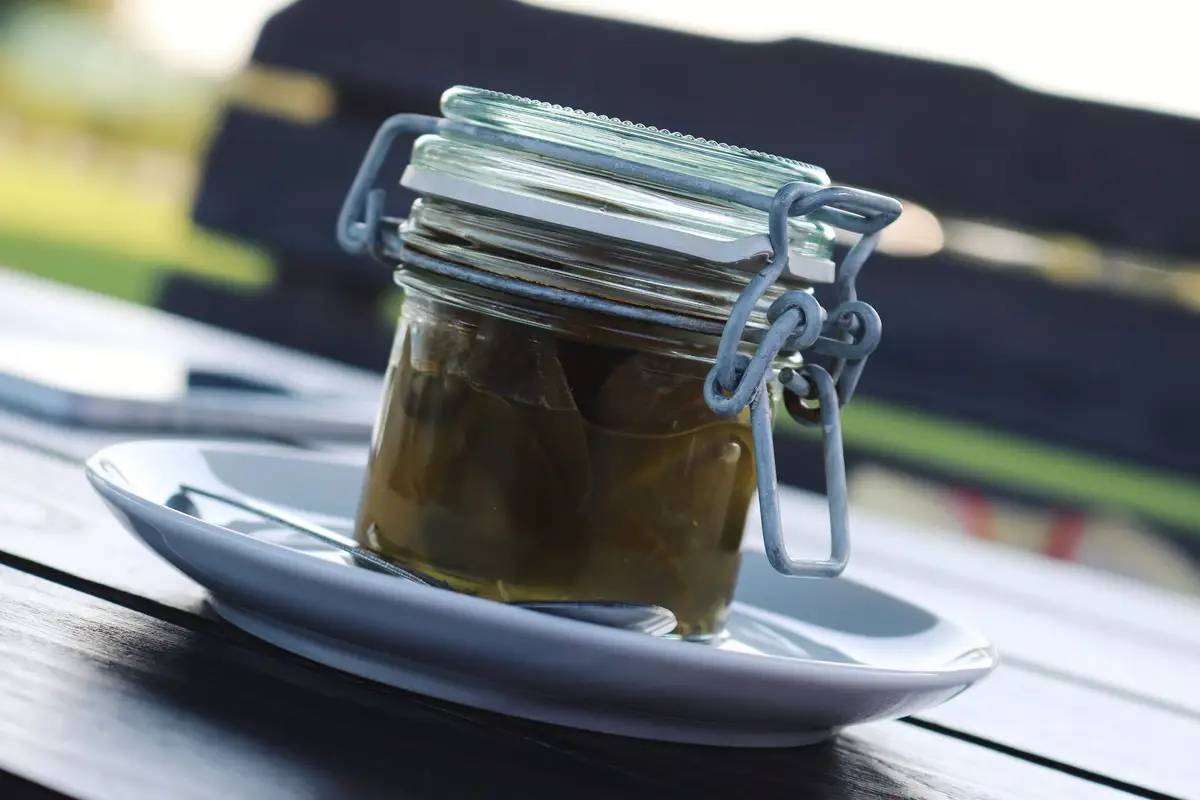
Customers who order in June and again in December sometimes write to ask whether the second jar is from a different batch. Usually it is not. Pickle changes as it ages, and that is expected.
In the first weeks, avakaya is bright red and the mango pieces are pale and firm. Over the following months the chilli darkens to a deep brick red, the mustard mellows and the mango absorbs oil and salt and turns golden brown. The taste becomes rounder and less sharp. Many Andhra families actually prefer pickle at six or seven months old for this reason, and keep a jar from last year to mix with the new one.
The oil on top also darkens and thickens slightly. That is just chilli and mustard colouring it. Some pieces may soften a little, especially the thinner slices near the top.
What is not normal is white or green fuzzy mould on the surface, a smell like alcohol or vinegar, pieces poking above the oil and turning dry and dark, or foam when you open the lid. These usually mean moisture got in, often from a wet spoon or a lid left loose in humid weather. If you see these signs, do not eat it. A clean, dry spoon every time, a tight lid and enough oil to cover the pieces will keep a jar in good condition for twelve months. If anything looks wrong in a new jar within a week of arriving, send us a photo.
Keep reading
Where our ingredients come from, and where to buy your own if you make pickle at home this summer.
Oil on the lid, a cloth under the cap and a lot of chilli: what arrives in the box and what to do first.
Mango, oil, mustard, chilli and many hours by hand: a plain costing of our best-selling pickle.