How we roast and grind kandi podi
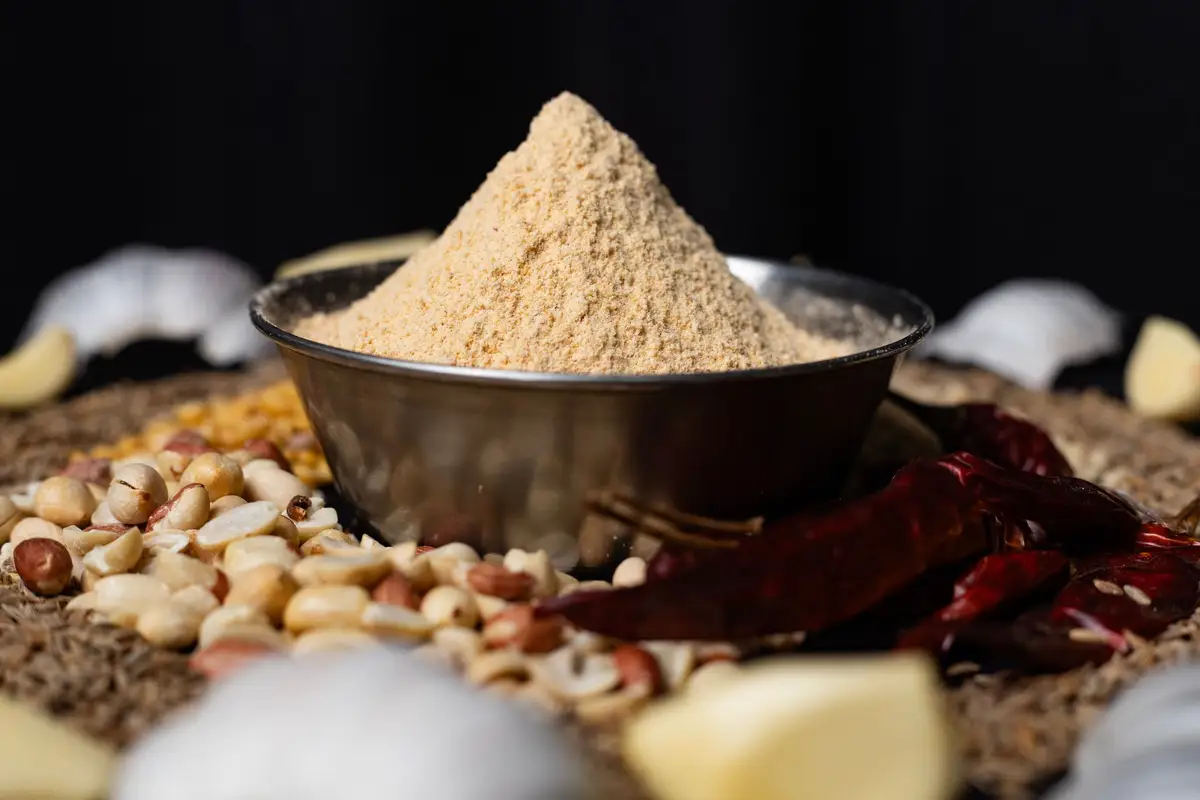
Toor dal, red chillies and garlic in an iron kadai: a morning on the podi side of our kitchen.
This summer’s avakaya is ready · Shipped in leak-proof jars across India
27-14-52 Eluru Road, Governorpet, Vijayawada 520002
Mon–Sat · 9 am – 8 pm · Sun 9 am – 1 pm
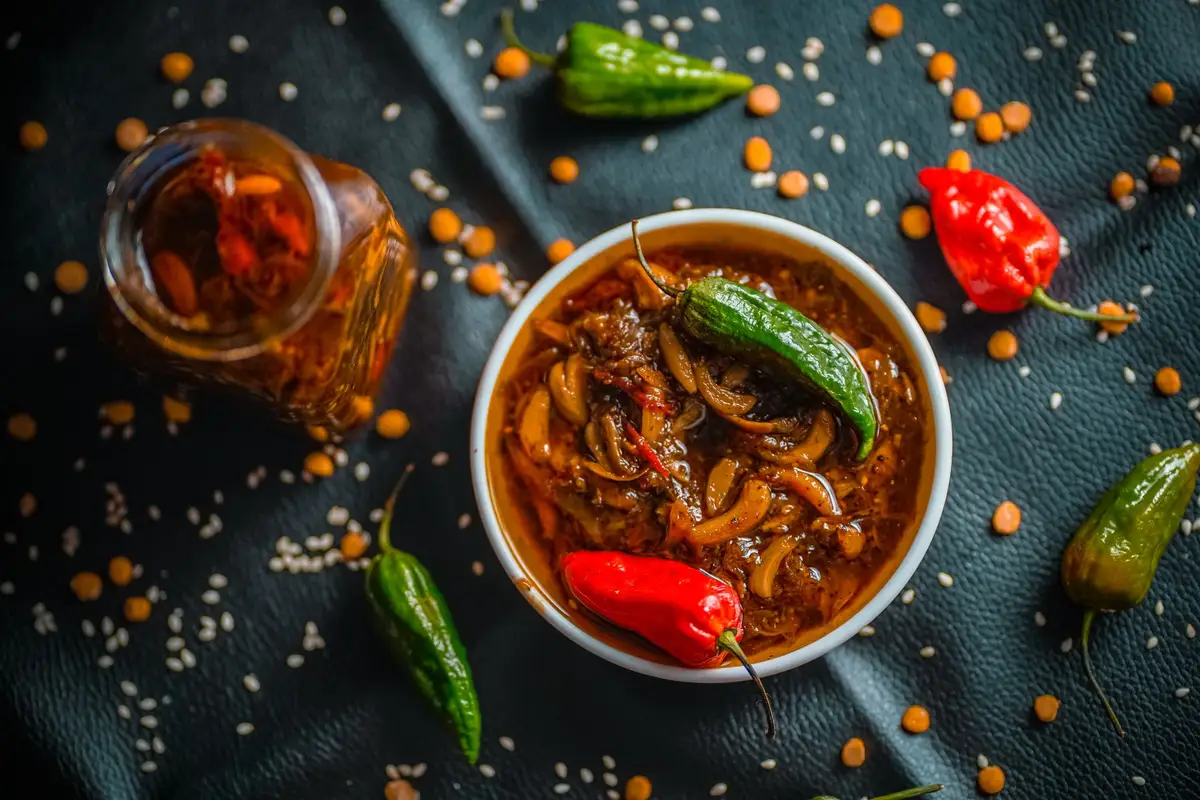
Mango, oil, mustard, chilli and many hours by hand: a plain costing of our best-selling pickle.
Avakaya can be bought for much less than ₹380 for 500 g, and people sometimes ask us why ours costs what it does. Here is roughly how that price breaks down.
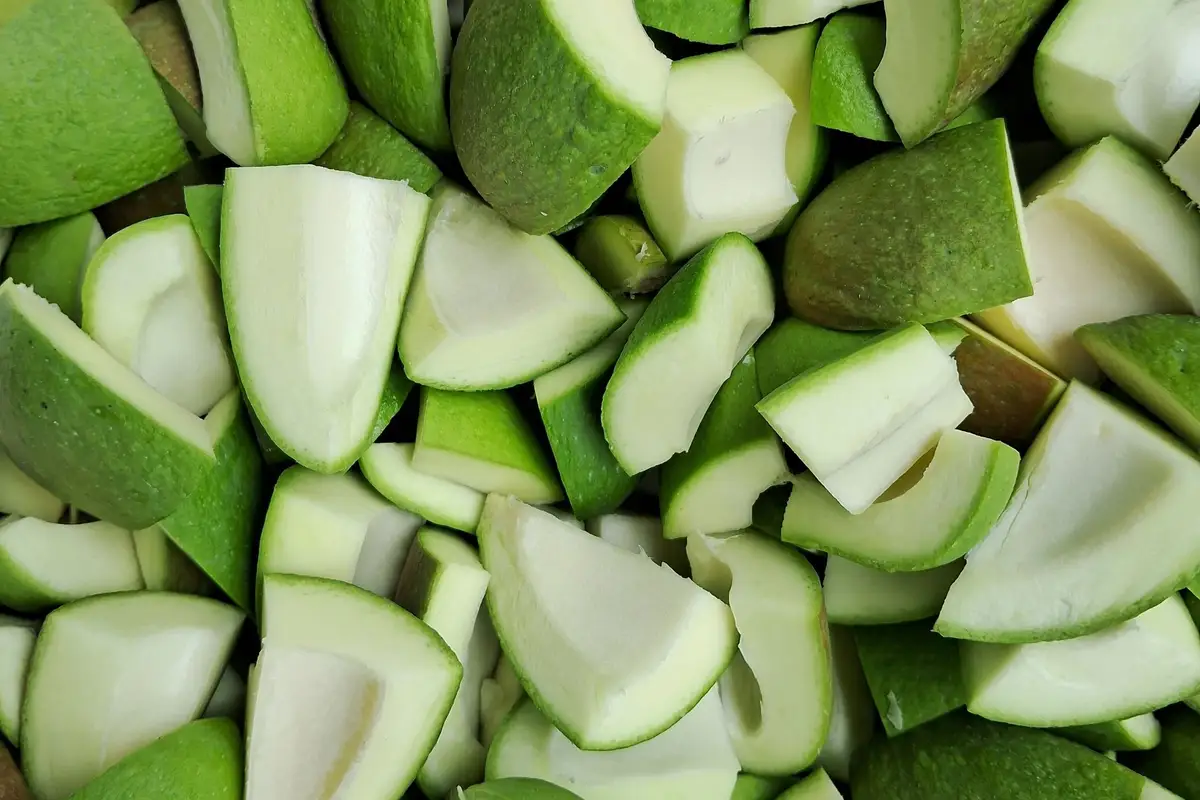
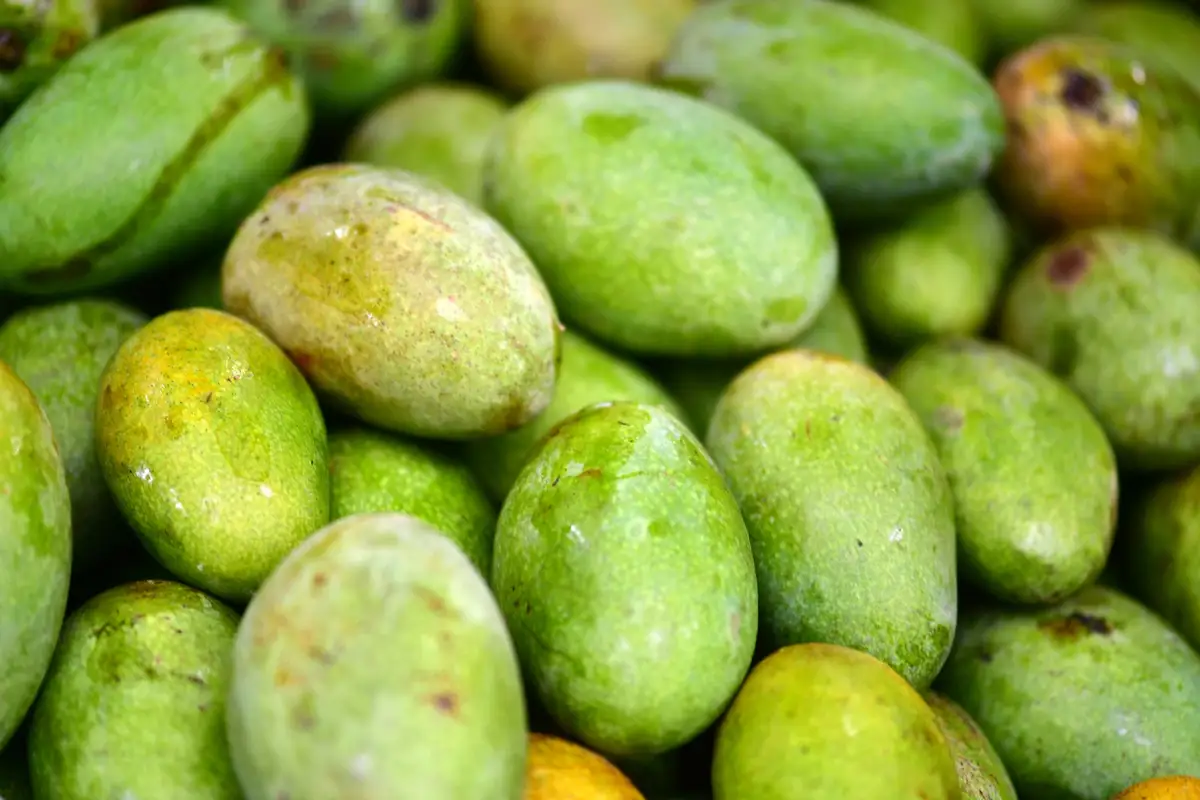
The largest single cost is oil. A 500 g jar holds around 150 ml of cold-pressed gingelly oil, which costs about two and a half times as much as refined oil. That is roughly ₹70 of each jar. The mangoes are next. Nuzvid pickle mangoes in season cost ₹30 to ₹50 each, and after cutting away the seed we get about 300 g of usable pieces from three mangoes, around ₹60 a jar.
Mustard, Guntur chilli, salt, fenugreek and garlic add about ₹40. The glass jar, cloth seal, label, sleeve and box add another ₹35. Labour is the part people forget. Cutting mangoes with the shell intact is slow, careful work, and the six women who make our pickle are paid fairly for it. Together with stirring, jarring and checking each batch, labour is about ₹80 a jar.
The rest covers rent, electricity, the grinding mill and the small share of batches that do not pass our tasting and are thrown out, plus our margin. Shipping is charged separately at checkout. Cheaper pickles usually save money on oil, using refined oil, or on mango, using softer fruit that is more flesh than shell. Both change the taste and how long the jar keeps.
Keep reading
Toor dal, red chillies and garlic in an iron kadai: a morning on the podi side of our kitchen.
Hard mangoes, a sharp knife and three weeks of patience.
A dry spoon, a tight lid and enough oil: the three rules that matter.