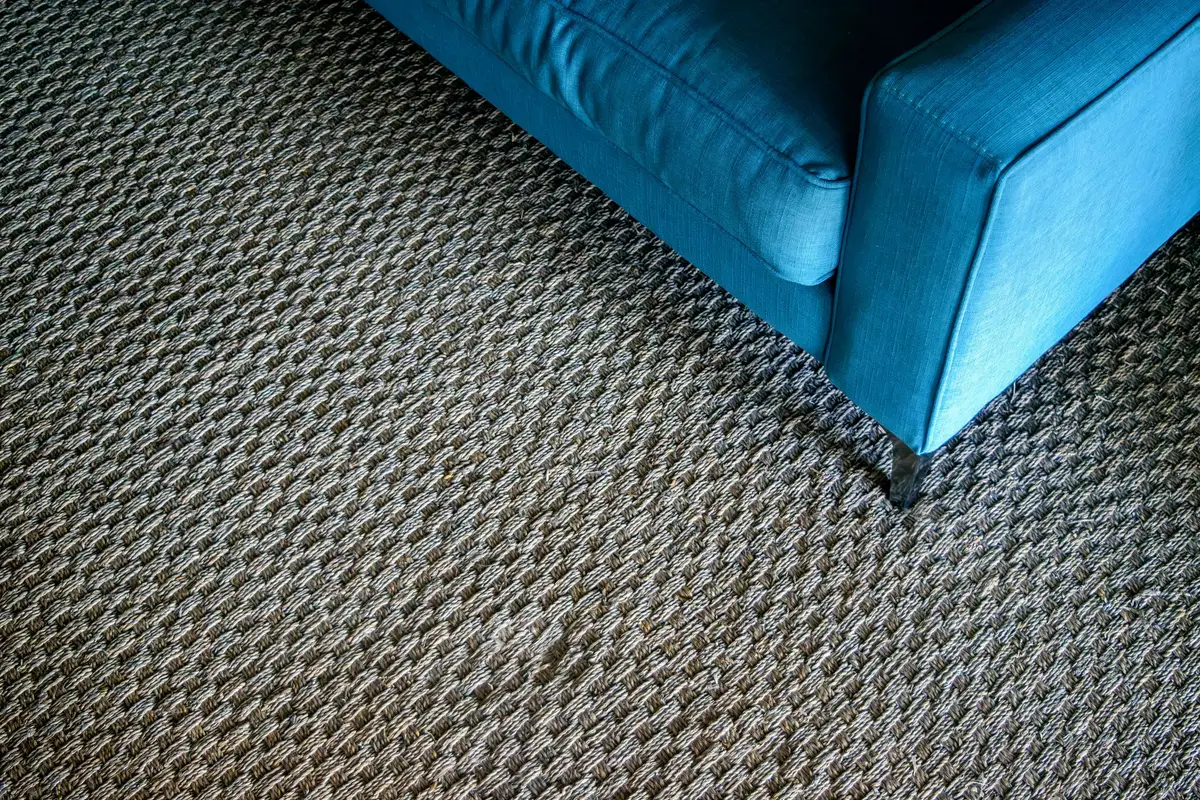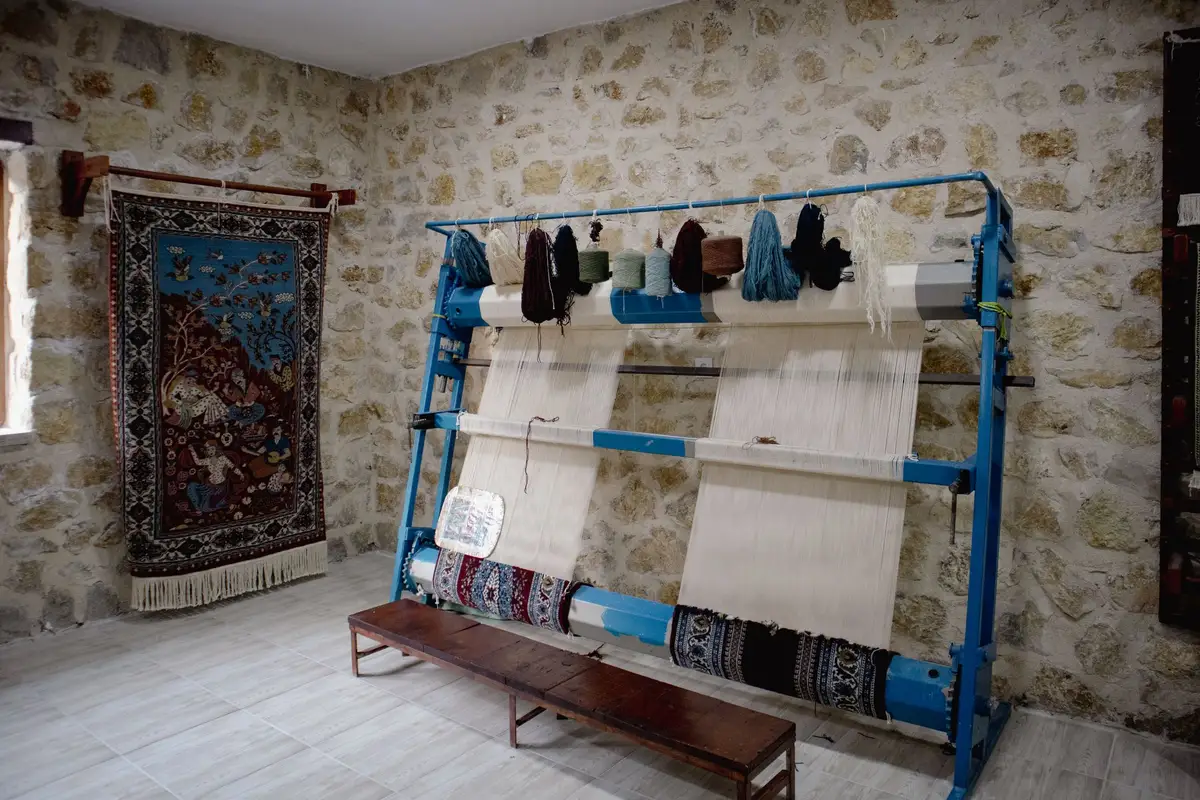
What a custom rug costs, and why
How we price a rug by the square foot, what changes the price and where the money goes.
Showroom open in Mansarovar · Custom sizes in 14–20 weeks · Insured delivery across India
24 Kiran Path, Mansarovar, Jaipur 302020
Mon–Sat · 10 am – 7.30 pm · Sun by appointment
A common source of confusion in rug buying, explained plainly, with what each fibre is good for.
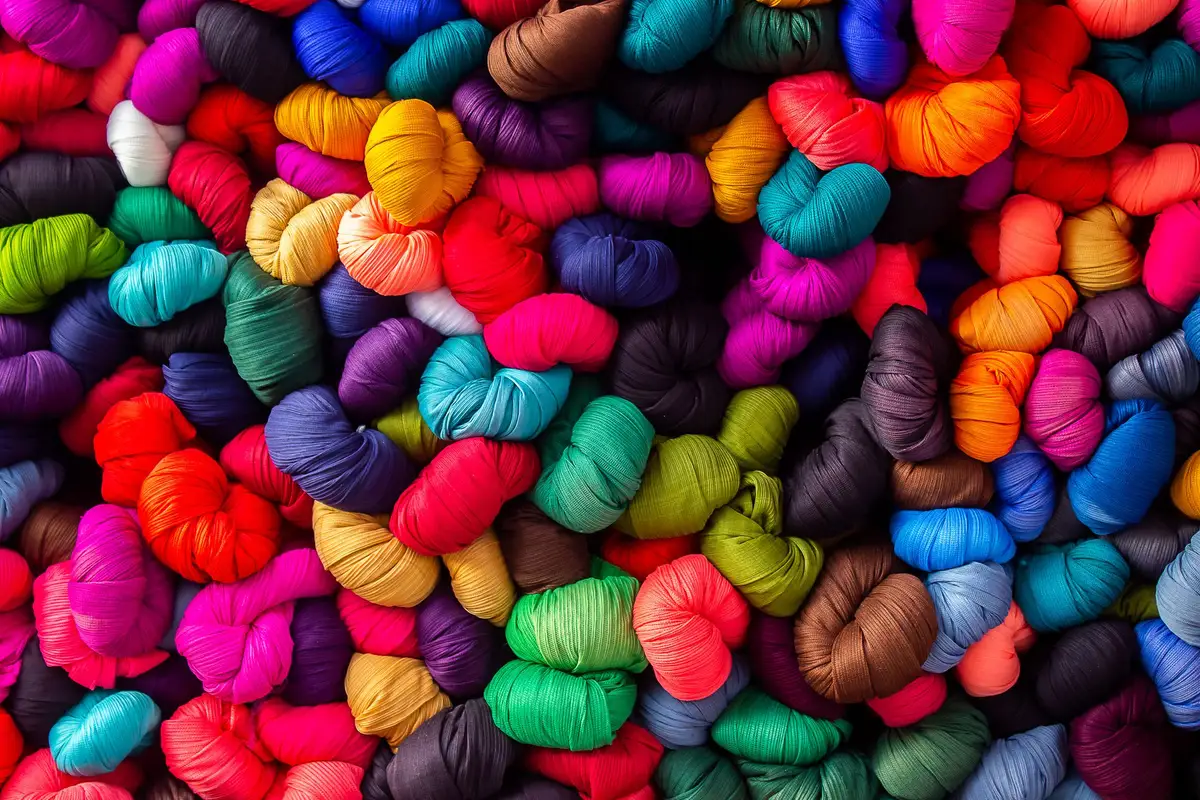
The word silk is used loosely in the rug trade, and it is worth knowing what is meant.
Real silk comes from the silkworm cocoon. In rugs, it is usually mulberry silk. It is very strong, fine enough to tie very small knots and has a natural sheen that changes with the light. It is also expensive and marks with water, so silk rugs suit rooms with little foot traffic.
Bamboo silk, art silk and viscose are names for a fibre made from wood or bamboo pulp. It is shiny and cheaper than silk, and looks lovely when new. But it is weak when wet, flattens under feet and stains easily. We do not use it in our rugs, and if you buy one elsewhere, ask the seller to say clearly on the bill what the fibre is.
Wool is still the best fibre for most homes. It is springy, so the pile recovers after you walk on it. It resists stains, because of its natural lanolin, and takes dye well. Rajasthani hand-spun wool is coarser and more textured; New Zealand wool is softer and more even. Many of our rugs mix the two: a wool pile with the pattern picked out in silk. You get the strength of wool where feet go and the sheen of silk in the motifs.
Keep reading
How we price a rug by the square foot, what changes the price and where the money goes.
A common worry answered: where flatweaves work best, how to make them comfortable and when to choose a pile rug.
When to roll up a pile rug, how to store it safely and what to do if a rug gets damp in the rains.