Summer and monsoon: storing and swapping your rugs
When to roll up a pile rug, how to store it safely and what to do if a rug gets damp in the rains.
Showroom open in Mansarovar · Custom sizes in 14–20 weeks · Insured delivery across India
24 Kiran Path, Mansarovar, Jaipur 302020
Mon–Sat · 10 am – 7.30 pm · Sun by appointment
A common worry answered: where flatweaves work best, how to make them comfortable and when to choose a pile rug.
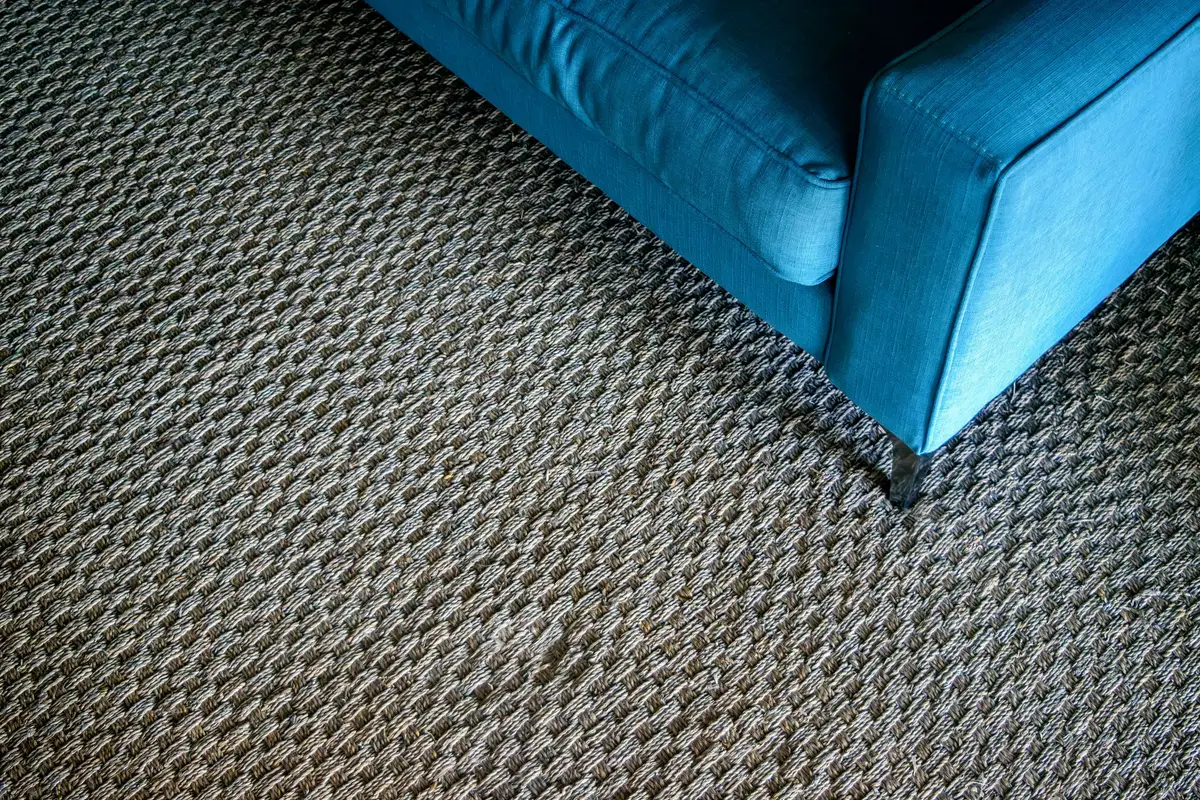
People often like the look of a dhurrie but worry it will feel thin or slip on the floor. It is a fair question, and the answer depends on the room.
A dhurrie is a flatweave: there is no pile, only the weave itself. A cotton dhurrie is about 4 to 6 mm thick; a panja wool dhurrie closer to 8 mm. It will never feel as soft underfoot as a knotted rug.
But it has real advantages. It is reversible, so you can turn it over when one side wears. It is light enough to lift and shake, and cotton dhurries can be washed. Chairs slide easily and dust does not settle into it. In Jaipur summers, a flatweave feels cooler than a pile rug, which is why many families swap rugs for dhurries from April to September.
For a living room, a dhurrie works well if you put a thin rubber or felt pad under it. The pad stops slipping, adds cushioning and protects the floor. A wool panja dhurrie on a pad feels firm and comfortable. If you sit on the floor a lot, or have small children who play there, a pile rug is softer. Many homes use both: a hand-knotted rug in the sitting area, and dhurries in the dining room, veranda and bedrooms.
Keep reading
When to roll up a pile rug, how to store it safely and what to do if a rug gets damp in the rains.
Two ways of making a pile rug, why one costs three times the other, and how to tell them apart.
Knot count, fibre, size, dye and the weaver’s name: what each line on our label means.