
How we test and pack a batch of saffron
From the grower’s weighing scale to a sealed tin with a batch number: the steps every lot goes through.
New season saffron from Pampore is in · Free delivery across India above ₹1,500
22 Residency Road, Lal Chowk, Srinagar 190001
Mon–Sat · 10 am – 7 pm · Sun 11 am – 4 pm
About 1,50,000 flowers for one kilo, picked by hand at dawn: the arithmetic behind a ₹1,190 tin.
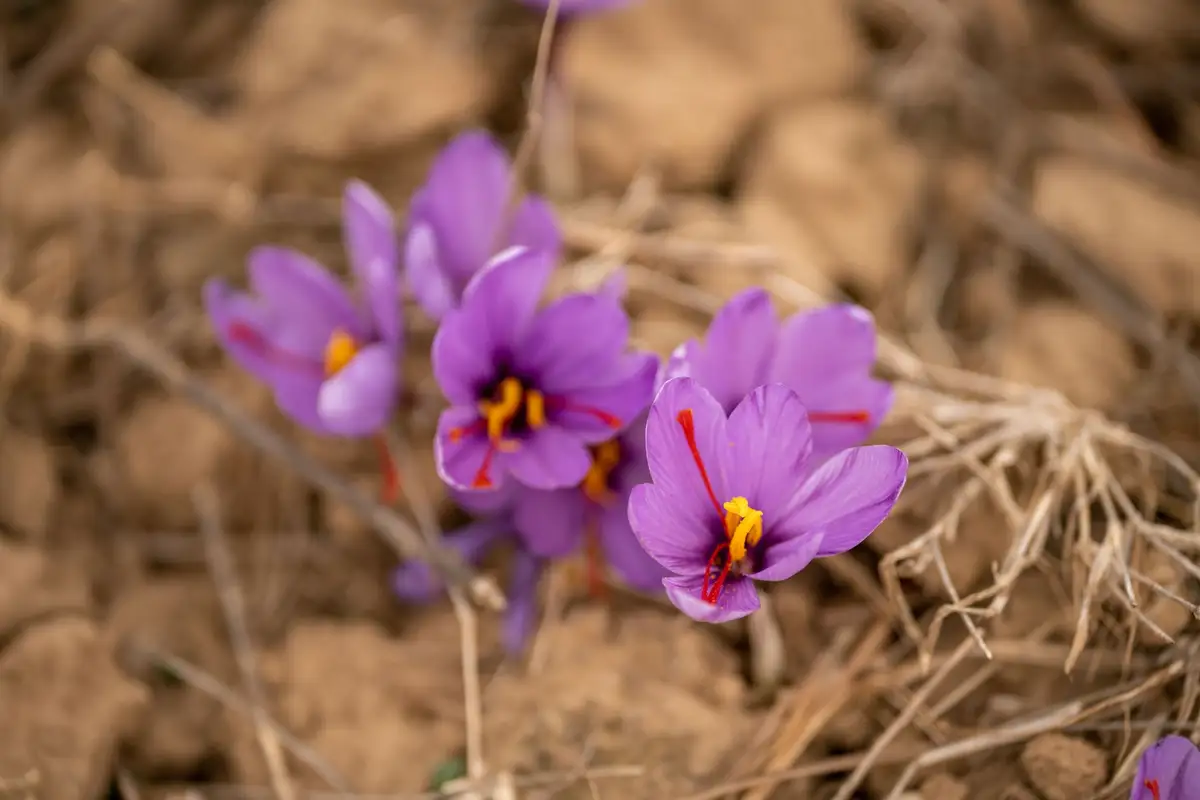
A 2 g tin of our mongra saffron costs ₹1,190. That works out to almost ₹6 lakh a kilo, and customers sometimes ask why. The answer is mostly in the fields of Pampore.
Each saffron crocus gives one flower, and each flower has three red stigmas. It takes roughly 1,50,000 flowers to make one kilo of dried saffron, or about 300 flowers for a 2 g tin. The flowers bloom for only three weeks between late October and mid-November, and they must be picked by hand in the early morning before they open fully in the sun.
Separating the threads is slower still. Families sit together each afternoon and pull the stigmas from every flower by hand. For mongra, only the deep red tip is kept and the yellow part is trimmed off, which lowers the weight further. The threads are then dried slowly in shade or over a gentle heat and lose about four-fifths of their weight in the process.
Then there are the costs after the field: the lab test on every batch, airtight tins that keep out light, packing in Srinagar and courier across India. The growers we buy from are paid on the day of weighing. Very cheap saffron is usually mixed with style, safflower or dyed threads; a quick test in warm milk tells you which is which.
Keep reading
From the grower’s weighing scale to a sealed tin with a batch number: the steps every lot goes through.
Forty days of the hardest winter, from late December: the walnuts, dried vegetables and kahwa that see families through.
How bulk gift boxes work, from a sample box to printed cards and delivery to every address on your list.