Monofocal, toric or multifocal: choosing a cataract lens
The three main kinds of lens placed during cataract surgery, what each is designed for, and the cost of each.
Out-patient tokens from 8 am · Book online to skip the token queue
42 Vakil New Street, Simmakkal, Madurai 625001
Mon–Sat · 8 am – 6 pm · Sun 9 am – 12 noon
Practical habits for school-age children, from our paediatric clinic.

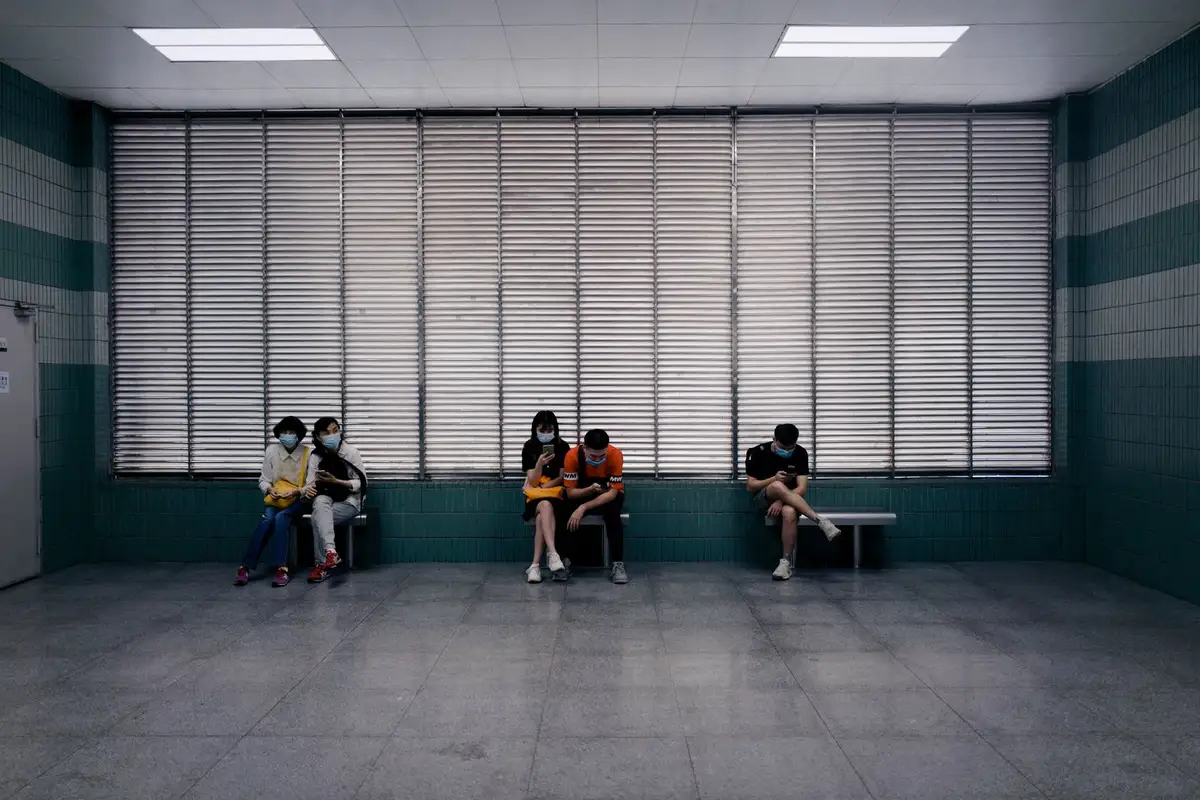
Parents at our Saturday children’s clinic often ask about screens. Here is the practical advice our paediatric ophthalmologist gives.
Encourage breaks. For every 20 minutes of close work, whether a phone, a tablet or a book, ask your child to look at something far away for about 20 seconds. A window or the end of a corridor works.
Time outdoors matters. Children who spend time in daylight every day, playing rather than studying, tend to do better for their eyes. Aim for at least an hour on most days.
Watch for signs. Holding books very close, squinting at the board, frequent headaches after school, rubbing the eyes or tilting the head can all mean a child needs an eye check. Many children do not complain because they assume everyone sees the same way.
Have a check before school starts. We suggest a full eye examination around age three to four, before Class 1, and then every one to two years, or as your doctor advises.
If glasses are prescribed, they work only when worn. Choose a frame your child likes, and ask the school to seat them nearer the board in the first weeks.
Keep reading
The three main kinds of lens placed during cataract surgery, what each is designed for, and the cost of each.
Our fees for each part of a cataract operation, the extra charges you might see and how cashless insurance works.
How an out-patient visit works at Kanmani, from the token at 8 am to the written advice you take home.