Your first site visit: what to ask us
An hour at the haveli answers most questions. Here is how to use it, and what to bring with you.
Winter 2026–27 dates are open · Site visits every day, 11 am to 6 pm
18 Lal Ghat Road, near Gangaur Ghat, Udaipur 313001
Site visits daily · 11 am – 6 pm
Why eleven years of restoration used a material most builders gave up decades ago, and what it means for your wedding.
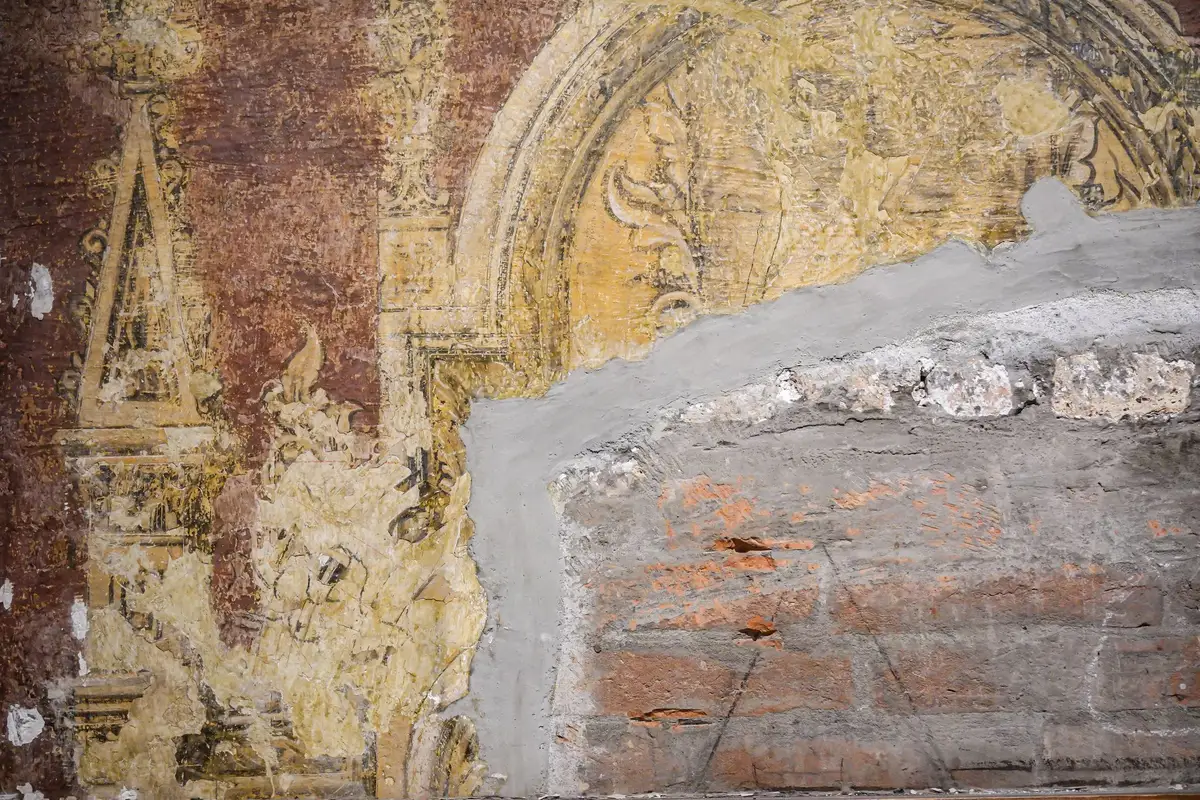
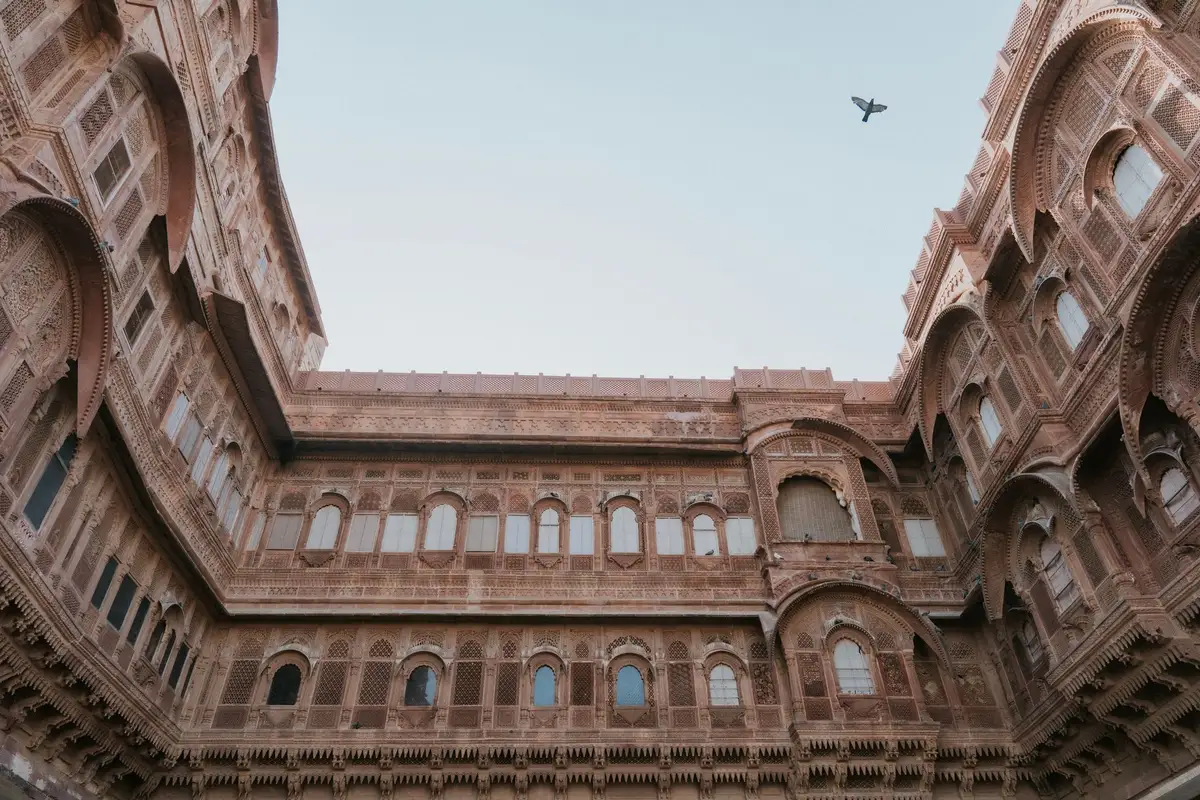
When we bought Mehtab Chowk in 2005, half of the painted hall had been patched with cement, the rooftop leaked in every monsoon and two of the jharokhas were held up with iron bars. We spent the next eleven years putting it back together.
The main lesson was lime. The haveli was built with lime mortar and lime plaster, which let the walls breathe: moisture comes in during the monsoon and leaves again in the dry months. Cement patches trapped that moisture, and the old plaster around them crumbled.
So we removed the cement and worked with masons from villages near Udaipur who still burn and slake their own lime. For the finest walls they used araish, a polished lime plaster mixed with marble dust and burnished with stones until it shines like stone itself. A single wall can take three weeks.
The painted ceilings in the darbar hall were cleaned by hand with soft brushes and only touched up where the plaster beneath had been replaced. You can still see the older colours, slightly faded, next to the new. This is why our décor rules ask for no nails, tape or glue on walls, and no open flames under painted ceilings. It is not fussiness; a lime wall marked by tape can take a mason a day to put right.
Keep reading
An hour at the haveli answers most questions. Here is how to use it, and what to bring with you.
Can you have a loud sangeet in a 230-year-old haveli in the old city? Yes, within some limits. Here they are.
Flights, trains, coaches and the last few hundred metres. A practical guide for families with guests from all over.