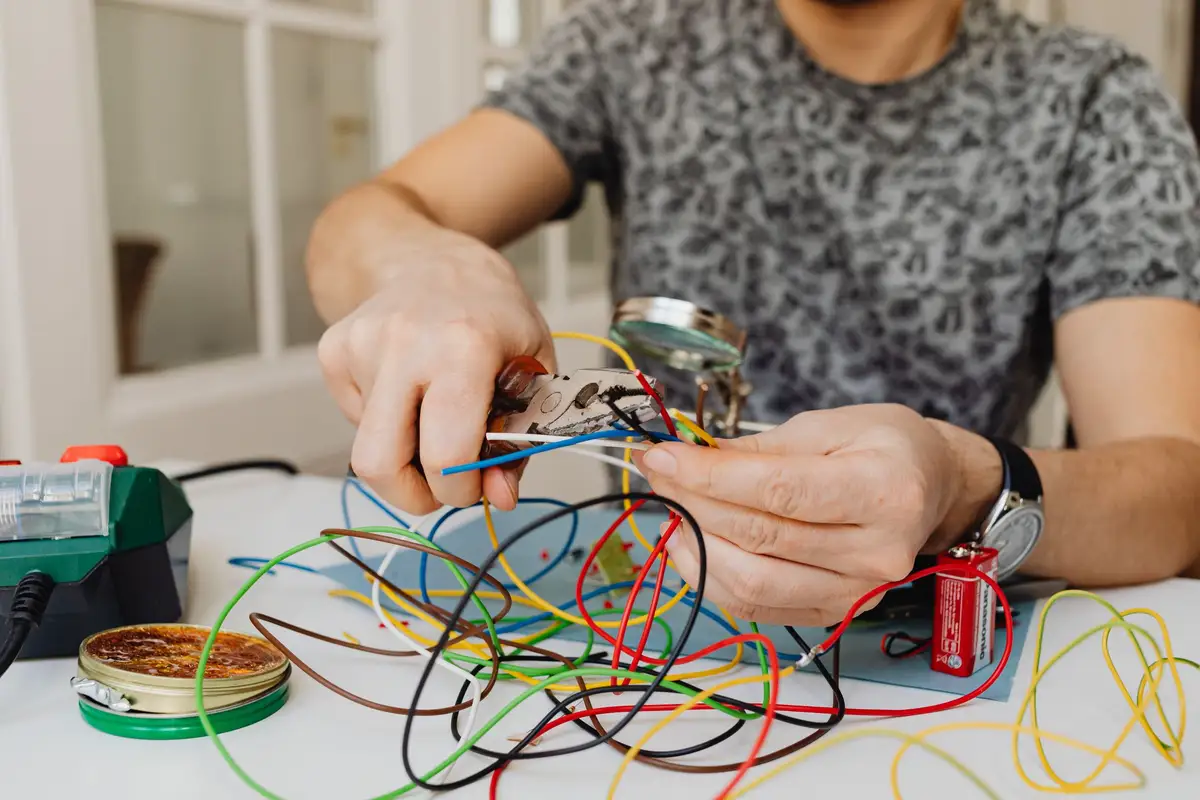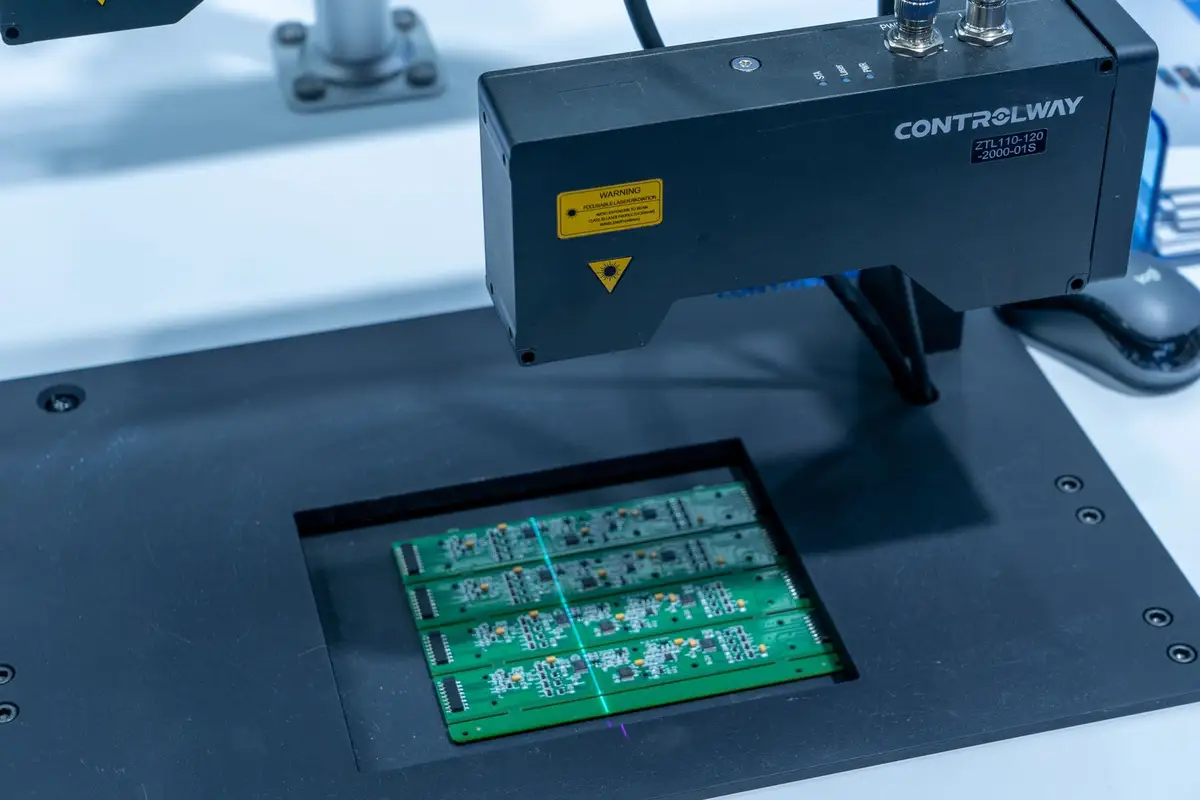
What happens on our test bench
Every pump runs on our Kurichi bench before it ships. What we measure, how long it takes and what the readings mean.
Dealer enquiries open for Tamil Nadu, Kerala and Karnataka
Plot 22, SIDCO Industrial Estate, Kurichi, Coimbatore 641021
Mon–Sat · 8.30 am – 5.30 pm
Twenty minutes before June saves a week without water in July.
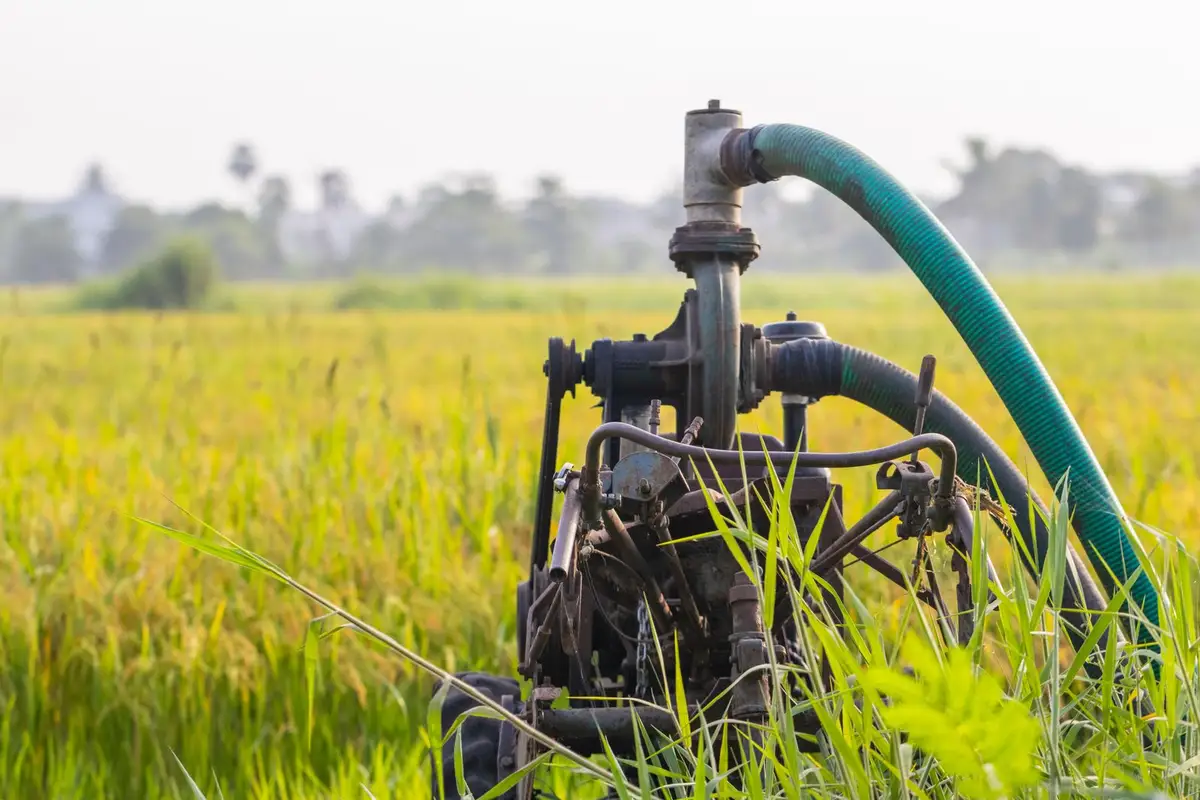
The weeks before the monsoon are when we see the fewest service calls, and the weeks after are when we see the most. Most of those later failures could have been caught with a short check while the pump is still running dry season loads.
Start at the panel. Check that the starter contacts are clean and not pitted, the earth wire is firmly connected and the panel door closes against rain. Water entering a starter is the most common cause of motor burn-outs in July. If the panel is outdoors, a simple sheet-metal hood costs a few hundred rupees.
Next, the pump. Listen for any new noise or vibration while it runs. A rattle often means a worn bearing; a high whine can mean the pump is running with too little water. Check the gland or mechanical seal for drips. A slow drip is normal on gland pumps, a steady stream is not.
Finally, the pipeline. Clear the foot valve strainer of leaves and silt, and check that the non-return valve closes properly when you stop the pump. If the pipe empties back into the well, the pump will struggle to prime after every power cut. Our dealers offer a pre-monsoon check for ₹350 a pump.
Keep reading
Every pump runs on our Kurichi bench before it ships. What we measure, how long it takes and what the readings mean.
The commonest reason farm pumps fail is not the pump. How voltage problems damage motors, and the simple protection that helps.
Floors, flats, tanks and peak demand: how building engineers size a pressure booster set, and why two pumps beat one.