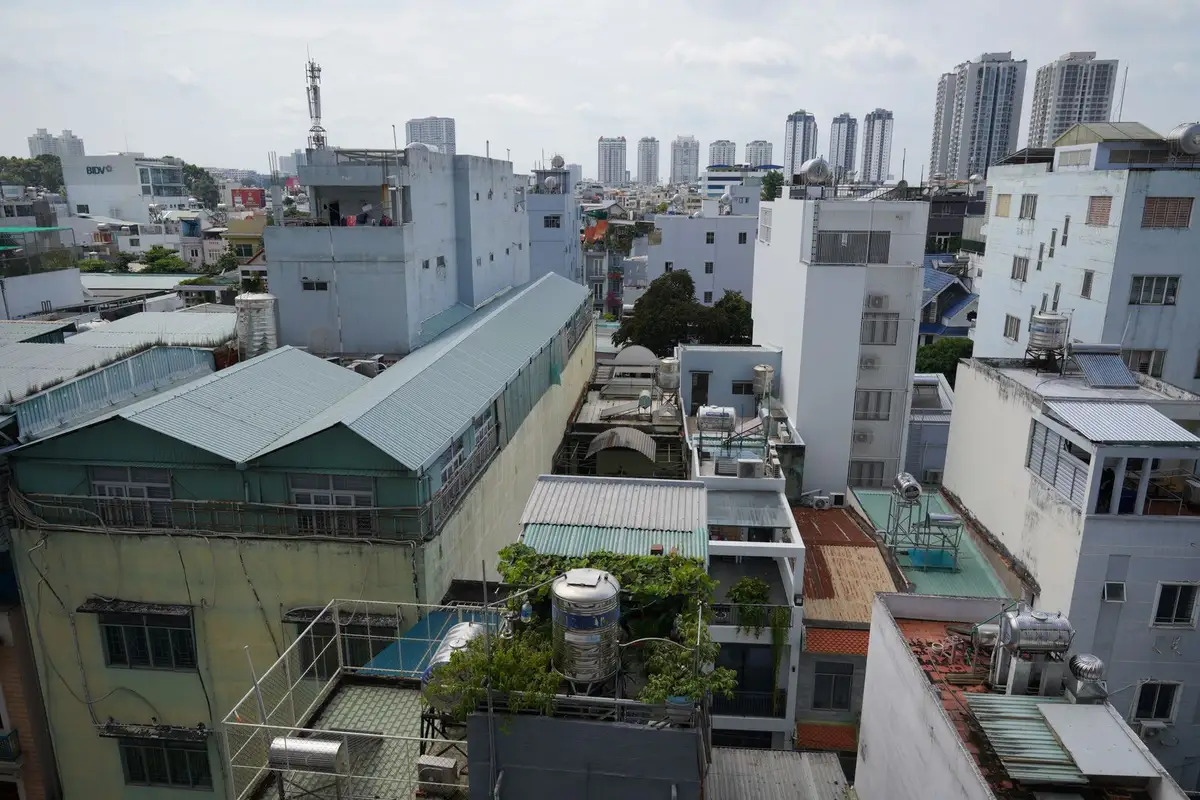
Choosing a booster set for an apartment block
Floors, flats, tanks and peak demand: how building engineers size a pressure booster set, and why two pumps beat one.
Dealer enquiries open for Tamil Nadu, Kerala and Karnataka
Plot 22, SIDCO Industrial Estate, Kurichi, Coimbatore 641021
Mon–Sat · 8.30 am – 5.30 pm
The commonest reason farm pumps fail is not the pump. How voltage problems damage motors, and the simple protection that helps.
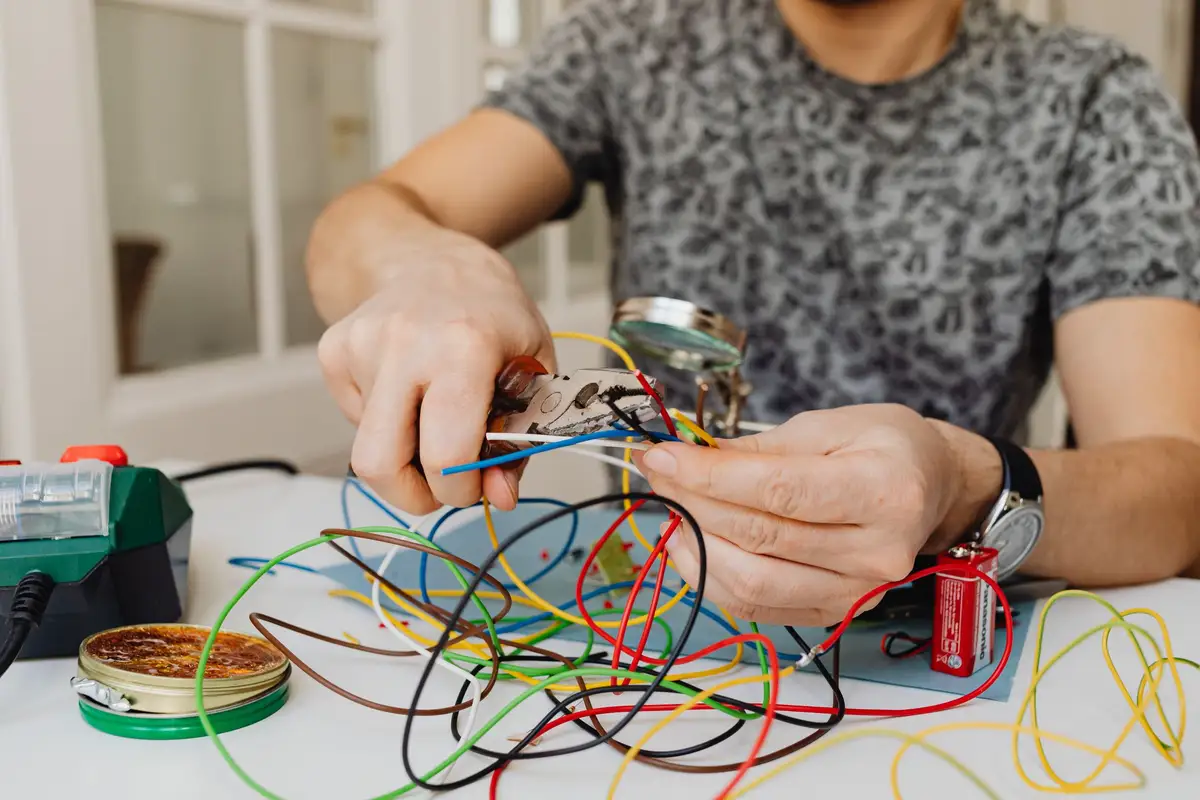
When a pump comes back to us with a burnt winding, we open it and look for the cause before anything else. In most cases, the pump itself was fine. The motor was damaged by the power supply. Here is what happens, and how to protect against it.
Low voltage is the most common problem on farm feeders, especially in the evening and during the summer. When the voltage drops, an induction motor draws more current to deliver the same power. That extra current heats the winding. A motor running for hours at 15 to 20% below rated voltage can overheat and burn its insulation within a season.
Single phasing is worse. If one of the three phases fails, from a blown fuse or a loose connection, a three-phase motor may keep running on two phases, drawing very high current and burning out within minutes. Dry running, when the water level drops below the pump, has a similar result for submersibles, because the motor relies on water for cooling.
The protection is simple and costs far less than a rewind. A good starter panel should have an overload relay set correctly for the motor’s current, a single-phasing preventer, and, for submersibles, a dry-run sensor. A voltmeter on the panel lets you see the voltage before you start. Do not start the pump when the voltage is well below the rating, and do not bypass the overload relay because it trips often; it trips for a reason. Our warranty does not cover voltage damage or dry running, which is why our dealers check the panel at installation.
Keep reading
Floors, flats, tanks and peak demand: how building engineers size a pressure booster set, and why two pumps beat one.
The purchase price is the smallest part of a pump’s cost. A worked example of energy over ten years, and where efficiency pays.
Textile mills, foundries and farms that needed water: a short history of how a city became India’s pump workshop.