Why Coimbatore makes so many pumps
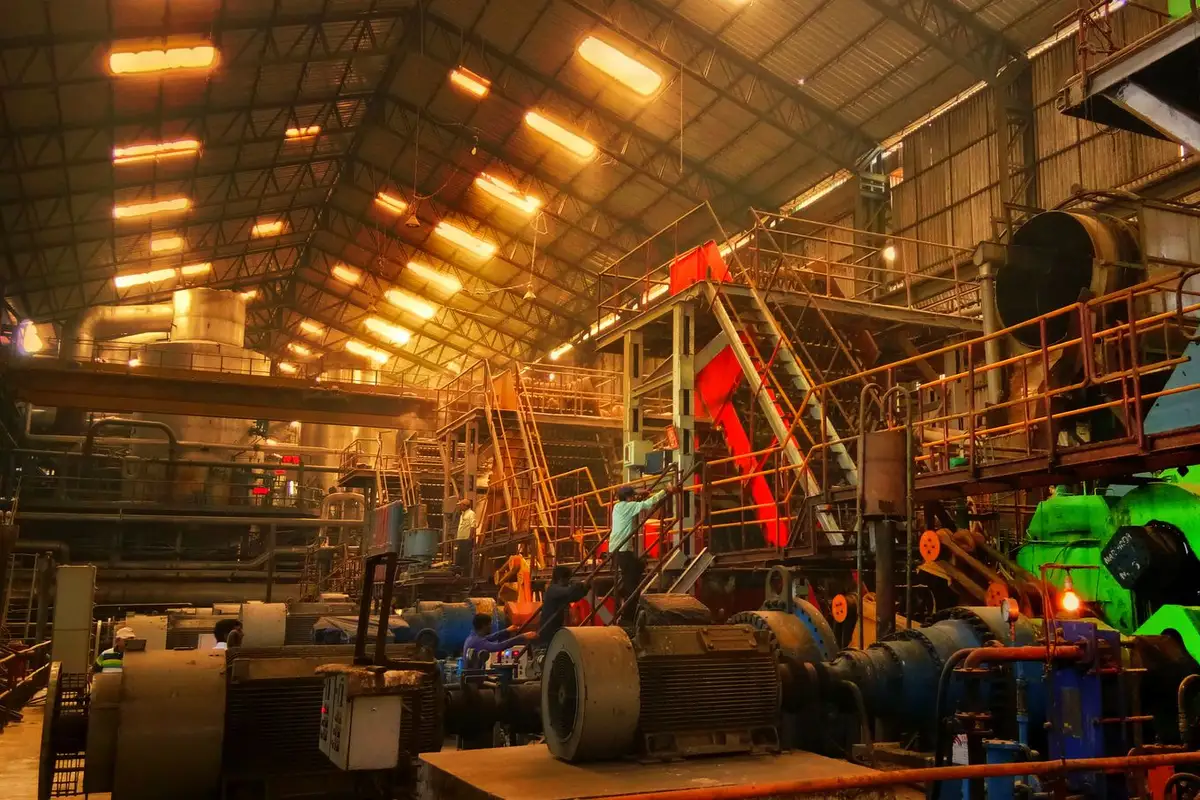
Textile mills, foundries and farms that needed water: a short history of how a city became India’s pump workshop.
Dealer enquiries open for Tamil Nadu, Kerala and Karnataka
Plot 22, SIDCO Industrial Estate, Kurichi, Coimbatore 641021
Mon–Sat · 8.30 am – 5.30 pm
The purchase price is the smallest part of a pump’s cost. A worked example of energy over ten years, and where efficiency pays.
When a customer compares two pumps, the first number they look at is the price. Over the life of a pump, though, the electricity it uses usually costs many times more than the pump itself. Here is a worked example for a commercial user.
Take a 2 HP pump, about 1.5 kW of output, used by a textile unit for process water. It runs about eight hours a day, 300 days a year. If its motor and pump together are 55% efficient, it draws about 2.7 kW from the supply, or 6,500 units a year. At a commercial tariff of ₹8 a unit, that is ₹52,000 a year, and ₹5,20,000 over ten years.
Now take a better-matched pump with a combined efficiency of 65% for the same duty. It draws about 2.3 kW and uses 5,500 units a year. The saving is around 1,000 units, or ₹8,000 a year, and ₹80,000 over ten years. That is several times the price difference between the two pumps.
Efficiency depends as much on selection as on the pump. A pump running far from its best efficiency point, because it was oversized or chosen for the wrong head, can waste 15 to 25% of its power even if it is a good pump. Throttling an oversized pump with a half-closed valve wastes energy the same way. That is why our engineers ask for head, flow and running hours before recommending anything. For farm pumps on free or subsidised power, the same logic applies to the feeder and the transformer, and a well-sized pump also puts less load on the motor.
Keep reading
Textile mills, foundries and farms that needed water: a short history of how a city became India’s pump workshop.
March to May lowers water levels across Tamil Nadu. How to run farm pumps through the dry months without damaging them.
From your call to the engineer at the pump: how our 48-hour service works, and what to have ready when they arrive.